

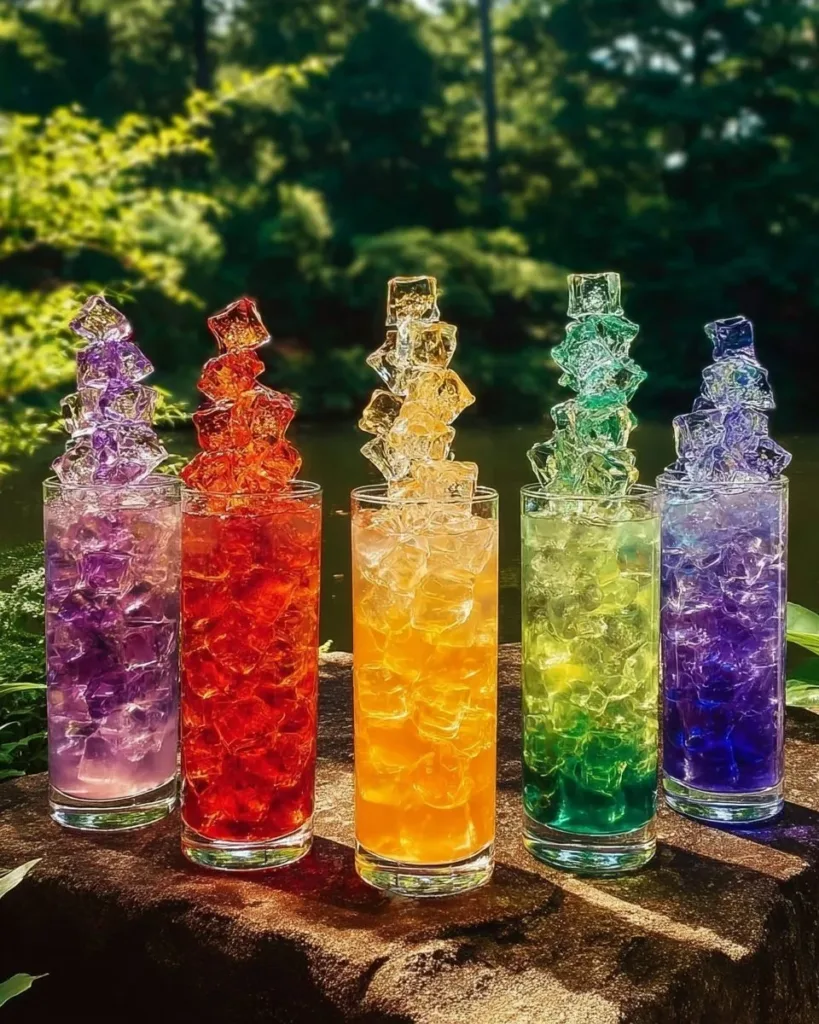
A last-minute rainy afternoon, kids asking to make something now, or a gap between activities makes the Baking Soda Rainbow Crystal Forest a perfect go-to. I remember one weekday when my own crew burst in after school, sleeves up and eyes bright; we set a towel on the counter, pulled out baking soda and a few colors, and had a lively project that held attention for an hour. This activity fits into a quick kitchen setup and gives visible, colorful results without hours of prep. If your family likes fizz and color, try it after our baking soda fireworks experiment for another simple, hands-on treat.
Why You’ll Love Making Baking Soda Rainbow Crystal Forest

This project works because it stays low-prep and fun. You scoop baking soda into a tray, add tiny drops of colored vinegar, and watch the little mounds change. The materials sit in most kitchens and cost almost nothing.
It feels manageable on busy days. Set up takes minutes. Kids can join most steps. You get real, colorful changes quickly, so patience stays rewarded.
It is reliable. The acid and baking soda react immediately with a soft fizz. Repeating tiny drops builds up texture and color. Small adjustments change the look without changing the core method.
Finally, the cleanup stays simple. A towel keeps most drips off the table. A damp cloth wipes the tray and hands. That keeps this one friendly for busy parents who want a neat finish.
A Quick Look Before You Begin
This activity takes about 5 to 10 minutes to set up and then several short checks over an hour or two while the scene grows. You will see most of the action in the first 30 minutes, and letting things dry slowly gives the best finish.
Setup stays compact. Use a shallow tray and a towel underneath to catch drips. Place cups of color, droppers, and a damp cloth within reach. Kids can do the spooning and dotting, with an adult nearby for small pours.
Expect some fizz and a little dampness on the tray right away. The fizz only lasts a moment. The interesting part comes as tiny deposits form and the colored areas look grainy and sparkly. Adult help matters most for the mixing and for small kids to handle droppers safely.
If you want an extra, painterly twist later, pair this project with a simple painting activity like our fizzy paint technique for color experiments and stirring fun. Try the fizzy painting idea for a follow-up that uses similar materials.
Materials You’ll Need
Baking soda
common household item; the main base of the scene
White vinegar
common household item; you will mix this with color
Table salt (optional)
optional; adds coarser textures
Food coloring or liquid watercolors, several colors
easy to mix; use small drops for brighter spots
Small shallow tray or plate
budget-friendly; any rimmed tray works
Small cups or droppers for colors
one cup per color makes mixing neat
A stirring stick or spoon
for mixing dye into vinegar
Measuring spoons and a teaspoon
to keep vinegar amounts consistent
Toothpicks or small wooden skewers (optional)
optional; good for shaping tiny hills
A damp cloth for quick cleanups
essential for wiping hands and spills
Towel for catching drips
place under the tray to save the table
STEP-BY-STEP DIRECTIONS

- Prepare your workspace and tray, keeping a towel underneath.
Arrange cups of color, a stirring stick, and a damp cloth nearby.
Make sure kids have easy access but cannot tip cups. - Spoon baking soda into the tray to make a layer about 1/4 to 1/2 inch thick.
Press lightly to hold shape and smooth the surface with the back of the spoon.
Keep the layer even but not packed hard. - Use a spoon or toothpick to create hills and valleys for crystal growth.
Make small mounds and gentle ridges where you want color to collect.
These shapes guide how the colored drops travel. - Sprinkle a pinch of table salt in areas for coarser crystal shapes.
Salt is optional but adds texture if you like chunkier formations.
Use less salt for subtle changes, more for chunky results. - In small cups, mix 1 teaspoon of white vinegar with 3-4 drops of food coloring.
Stir gently so the color blends but does not bubble over.
Make one cup per color so you can drop single hues. - Use a dropper to apply a single drop of colored solution to a mound; observe how it spreads with a faint fizzing sound.
Place the drop carefully in the center of a mound and watch the fizz.
The fizz helps color move into valleys and cling to the baking soda. - Continue to apply different colors, layering drops without aggressive mixing.
Let drops meet and sit next to each other for blended edges.
Avoid swirling; small layering shows clearer, brighter bands. - Check every 10 to 30 minutes to observe crystal formation. For taller crystals, add tiny drops at the base.
You will see deposits forming where the liquid evaporates and leaves colored solids.
Add tiny drops to the base to encourage more vertical build-up. - Allow the scene to dry slowly in a stable temperature location.
Slow drying gives firmer, more interesting textures than quick drying.
Avoid direct sun or strong heat that makes colors fade. - When growth slows and the surface is dry, enjoy your display, or lift small sections for examination.
Use a spoon or skewer to lift a little mound for close inspection.
Take photos, talk about what you see, and celebrate the colors.
The Simple Science or Skills at Work

This activity shows cause and effect in an easy, visible way. When vinegar touches baking soda, you get a fizz as gas escapes. That fizz moves the colored liquid into the baking soda and loosens tiny particles.
As the liquid evaporates, it leaves colored deposits behind. Over several small drops, those deposits pile up into crusty, sometimes spiky shapes. Adding salt gives bits more structure, so those parts look rougher and chunkier.
Kids practice careful pouring and hand-eye work with droppers. They learn to watch for subtle changes like fading fizz, grainy texture, or damp spots. Those cues tell them when to wait and when to add another drop.
This project also helps focus and patience. It stretches a five-minute setup into a slow watch-and-wait activity that still shows results fairly quickly. The sensory clues of sound, texture, and color keep attention without being fussy.
Troubleshooting Common Issues
If nothing fizzes much, check your vinegar amount and drop size.
Too little vinegar makes no fizz. Use the teaspoon mix and one drop at a time.
If you added too much vinegar, the baking soda can flatten. Wait for it to dry and add small drops to rebuild texture.
If colors bleed into a muddy pool, you likely used large drops or mixed colors too soon.
Let each drop set for a minute before placing a different color nearby.
Smaller drops keep colors distinct, and gentle placement prevents muddy blends.
If the scene dries with pale colors, the vinegar may have evaporated too fast or the food coloring was weak.
Try a dye with stronger pigment or slower drying by doing the activity in a slightly cooler, less windy spot.
You can also add one more drop to deepen tones after the first drying shows where color faded.
If crystals crumble when you lift them, they dried but did not bond firmly.
Add tiny tiny drops at the base to glue layers together, then let dry fully.
For display, photograph them while in place rather than lifting fragile parts.
If cleanup looks messy, keep a damp cloth nearby and a towel under the tray from the start.
Wiping spills while still damp makes cleanup fast.
A broom or vacuum handles any loose, dry baking soda that accidentally drops.
Easy Variations to Try
Try a monochrome forest using one color at different intensities.
Mix a stronger colored vinegar and apply one or two drops to create deep tones.
This works well for older kids who like a controlled look.
Make a sunrise scene by placing warm colors on one side and cool colors on the other.
Let them meet in the middle for soft blends.
This setup teaches composition and color mixing.
Use salt heavily in one area and none in another to compare textures.
Kids love seeing how salt makes chunkier deposits.
Call it a texture experiment and have them guess first.
Create miniature paths or rivers by carving shallow grooves before you add color.
Drop blue-colored vinegar along the grooves and watch the color follow.
This gives a deliberate flow that looks like tiny streams.
Try tiny additions: a toothpick dab of vinegar directly on a mound tip to encourage pointy growth.
This method helps build taller spikes but takes patience.
Small drops at the base work faster for sturdy growth.
Storing or Reusing This Project
If you want to save parts, photograph them right away because many bits stay fragile.
Some sections will keep their shape if you lift them carefully and place them on a tray to dry fully.
Store lifted pieces in a sealed container to reduce crumbling from humidity.
You can reuse small cups and droppers by rinsing them after use.
Rinse food coloring out under running water and dry well to avoid stains.
Keep leftover colored vinegar in labeled cups for a day or two if you plan to add more drops later.
To clean the tray, let any dried crust soften with a damp cloth, then scrape gently with a spoon.
Baking soda and vinegar residue wash off easily with warm water and a little dish soap.
Dispose of crumbly bits in the trash rather than the sink to avoid clogs.
Reuse extra baking soda for other projects if it stays dry.
Store it in a sealed container; once it reacts with vinegar it will not keep the same properties for other experiments.
FAQs About Baking Soda Rainbow Crystal Forest
Will this make real crystals like in a science kit?
You will get lovely crusty, textured formations that look a bit like crystals.
They form as the colored liquid evaporates and leaves deposits behind, not as long, perfect lab crystals.
That honest outcome still looks impressive and teaches a lot about evaporation and texture.
How messy will this be with little kids?
Expect a little fizz, some damp spots, and possibly colored fingers.
A towel under the tray and a damp cloth nearby take care of most spills quickly.
If mess worries you, do this on a washable surface or outdoors and plan for simple cleanup.
Is it safe for preschoolers to handle the materials?
The materials are common household items and generally safe with supervision.
Vinegar tastes sour and should not be swallowed. Keep an eye on tiny children around droppers.Use gloves if you want to avoid hands-on color staining.
Can I swap ingredients if I do not have food coloring?
Liquid watercolors work well and often give more intense shades.
You can try stronger food coloring drops, but do not substitute unusual chemicals or anything outside the materials list. Simple color keeps the project safe and predictable
How long will the display last?
Most of the visual interest appears in the first hour, and pieces become more fragile as they dry.
A carefully dried section can last for a few days as a tiny display, but expect pieces to flake or crumble over time. Photograph the results to keep the memory beyond the physical pieces.
A Final Helpful Note
Take your time and enjoy the small discoveries.
If a drop makes a surprising pattern, pause to talk about it rather than trying to force the next result.
This project rewards slow watching and tiny adjustments.
Let kids lead some parts and help with the rest.
You do not need perfect symmetry or textbook results; uneven colors and odd spikes make this more charming.
Keep cleanup simple and celebrate the colors.
Conclusion
If you want more inspiration, this full Baking Soda Rainbow Crystal Forest tutorial can give extra ideas for layout and color choices. For a cozy kitchen read about traditional soda bread and butter while you plan your next family project at soda bread and butter background.
PrintBaking Soda Rainbow Crystal Forest
Create a colorful and fizzy art project using baking soda and colored vinegar. This fun and easy activity captures the attention of kids for hours with minimal preparation.
- Prep Time: 10 minutes
- Cook Time: 60 minutes
- Total Time: 70 minutes
- Yield: 1 project
- Category: Activity
- Method: Experimentation
- Cuisine: N/A
- Diet: N/A
Ingredients
- Baking soda
- White vinegar
- Table salt (optional)
- Food coloring or liquid watercolors, several colors
- Small shallow tray or plate
- Small cups or droppers for colors
- A stirring stick or spoon
- Measuring spoons and a teaspoon
- Toothpicks or small wooden skewers (optional)
- A damp cloth for quick cleanups
- Towel for catching drips
Instructions
- Prepare your workspace and tray, keeping a towel underneath.
- Arrange cups of color, a stirring stick, and a damp cloth nearby.
- Spoon baking soda into the tray to make a layer about 1/4 to 1/2 inch thick.
- Create hills and valleys using a spoon or toothpick for crystal growth.
- Sprinkle a pinch of table salt in areas for coarser crystal shapes.
- In small cups, mix 1 teaspoon of white vinegar with 3-4 drops of food coloring.
- Use a dropper to apply a single drop of colored solution to a mound and watch how it spreads.
- Continue to apply different colors, layering drops without aggressive mixing.
- Check every 10 to 30 minutes to observe crystal formation.
- Allow the scene to dry slowly in a stable temperature location.
- When growth slows and the surface is dry, enjoy your display and take photos.
Notes
This activity demonstrates chemical reactions and offers an exciting way for kids to learn about cause and effect while having fun. Be sure to supervise young children, especially around droppers.
Nutrition
- Serving Size: N/A
- Calories: 0
- Sugar: 0g
- Sodium: 0mg
- Fat: 0g
- Saturated Fat: 0g
- Unsaturated Fat: 0g
- Trans Fat: 0g
- Carbohydrates: 0g
- Fiber: 0g
- Protein: 0g
- Cholesterol: 0mg