

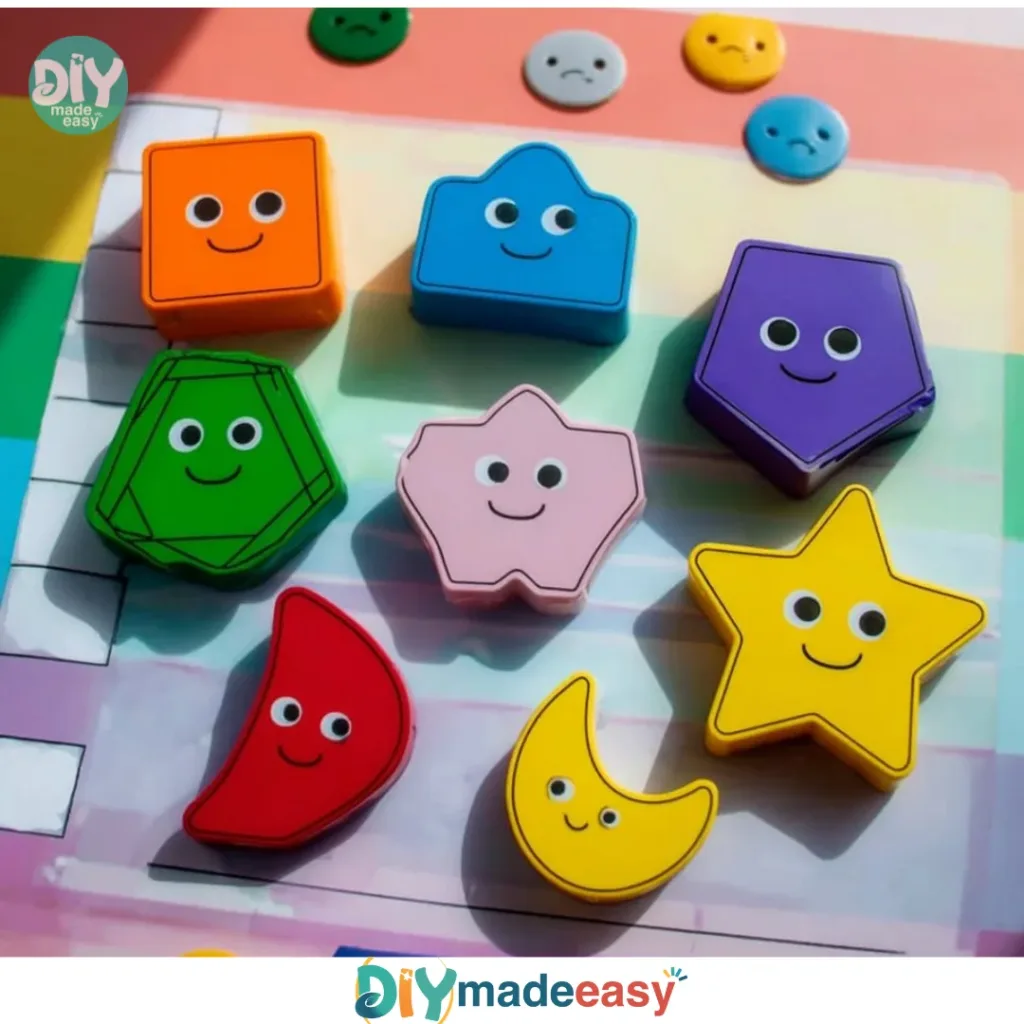
A busy afternoon. The kids want something to do now, but you also have a grocery list to finish and a call in thirty minutes. That is exactly the moment the Back to School Activity Binder (Preschool) saves the day. This simple, low-prep binder turns a few printed pages and basic supplies into focused, quiet activities that build confidence and keep little hands busy.
I like to set a small tray with crayons and a dry-erase marker, hand a page or two to my child, and let the magic unfold while I tidy up the kitchen. If you want ideas that pair well with this binder, try a calm sensory activity like a frozen bubbles experiment later in the week for a rainy-day follow-up.
Why This Back to School Activity Binder (Preschool) Works So Well
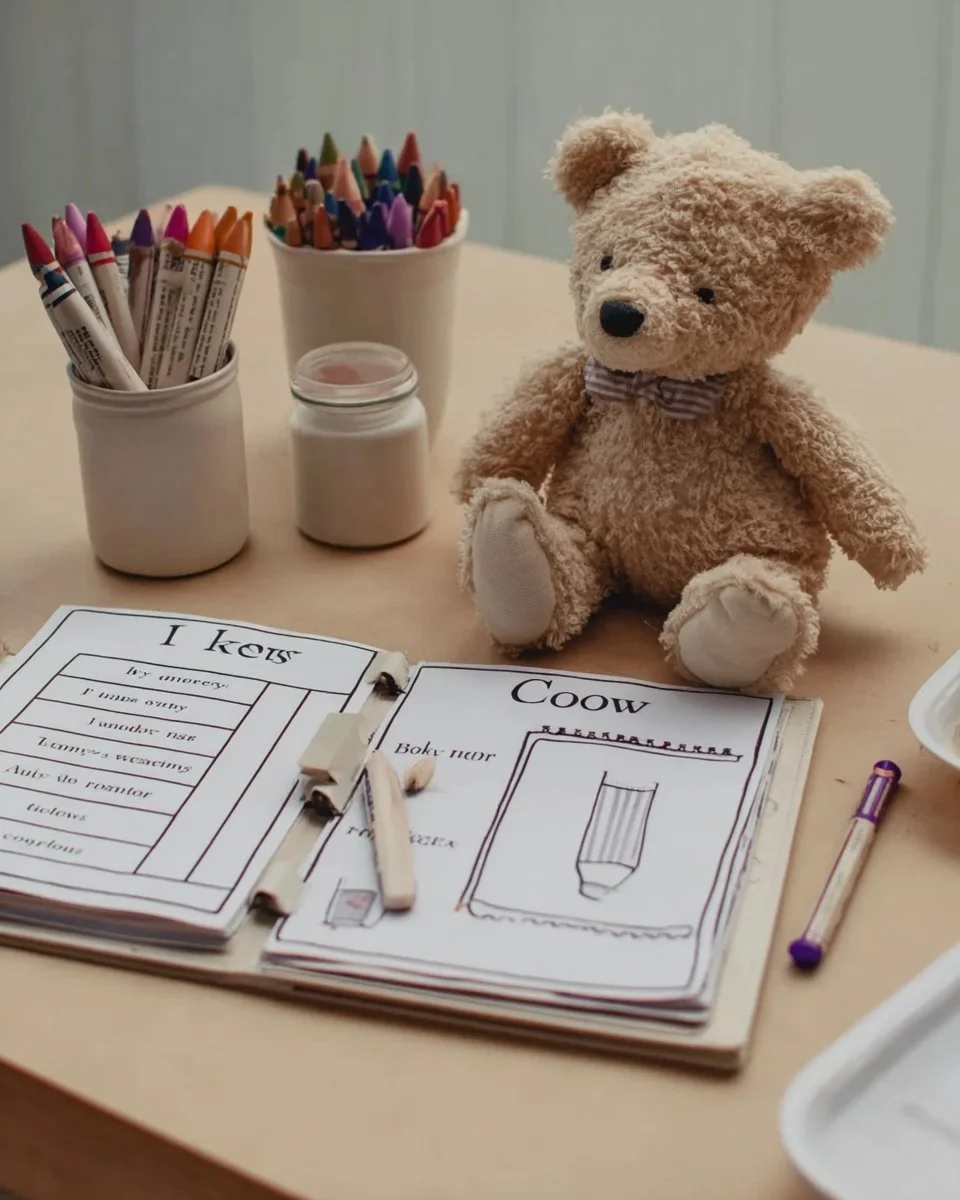
This binder sticks to what parents and kids need most: easy setup, predictable results, and real learning in short bursts. You do not need a lot of time. Print the pages, assemble, and hand them to your child. The activities inside focus on one skill at a time so children do not get overwhelmed. They look bright and familiar, and they invite hands-on play without complicated instructions.
Low-prep comes from using things you already own or can print at home. Approachable means the pages work whether your child can trace or still prefers stickers. Reliable comes from repetition: the same format across pages helps kids understand what to do next. For real-life schedules, the binder breaks activities into 5 to 15 minute chunks. That means one or two pages fit around nap times, snack prep, or a quick errand.
A Quick Look Before You Begin
Before you start, plan for a short, calm setup. Printing takes the most time, so do that first or print a small stack and keep them ready. Expect a tiny amount of mess if you add stickers or crayons. Most pages are designed to be used with a dry-erase marker inside a protector, so cleanup is quick.
Timing: put aside 10 to 20 minutes for first-time assembly. After that, swapping pages in and out takes less than five minutes. Setup: a small table or lap tray works well. Mess level: low, unless you add glitter or paste. Adult involvement: gentle guidance on the first page, then mostly independent play. If a child needs more help, sit beside them and model how to do one or two activities, then step back.
Materials You’ll Need
- Printable activity pages (included in the downloadable Back to School Activity Binder) common household printer paper
- 1 small, child-sized 3-ring binder easy for little hands to open
- Page protectors or laminator sheets optional, makes activities reusable
- Dry-erase marker and small cloth or eraser common household item
- Crayons or washable markers easy substitute: colored pencils
- Stickers for motivation optional, inexpensive and fun
- Scissors for adult use when cutting templates adult-only tool
- Velcro dots or reusable adhesive for attaching movable pieces optional, budget-friendly
Materials note: Many of these items come from around the house. If you want the pages to last for repeated use, page protectors or laminating will save time. If you do not have a laminator, a clear plastic sheet protector works well and keeps cleanup quick.
STEP-BY-STEP DIRECTIONS
- Print the activity pages you want to use first.
Use standard printer paper and choose pages that match your child’s current skills. Lay them flat to avoid curling. - Sort pages into a simple order.
Start with an easy tracing or sticker page, then move to matching, and end with a coloring or simple puzzle. This helps kids feel successful. - Place pages inside clear page protectors or laminate them.
Slide printed pages into sheet protectors or run them through a laminator if you have one. The surface should wipe clean with a dry-erase marker. - Trim any loose edges and hole punch if needed.
If you printed on larger paper, trim so pages fit the binder. Use a hole punch to match the binder rings. - Insert pages into the binder in the order you chose.
Place a colorful cover page at the front to make the binder feel special. Add a pocket page for extra pieces like stickers. - Add moveable pieces or stickers where the activity calls for them.
Attach velcro dots to small cut-outs or use stickers directly on the page. Keep small pieces in one pocket so they do not go missing. - Demonstrate the first page with your child.
Show one example, talk through it slowly, and let them try. Offer a single hint, then step back and let them work. - Let your child use a dry-erase marker on the protected pages.
They can trace, connect dots, or check answers, then wipe clean and repeat. Wiping is part of the fun for most preschoolers. - Rotate pages after use.
Remove pages your child has mastered and replace with new ones to keep interest high. Keep favorites in a labeled folder. - Refresh and replenish supplies as needed.
Replace worn pages, add seasonal themes, and bring new stickers to keep the binder engaging over time.
The Learning Behind This DIY
This binder supports small, important steps in early learning. When children trace a letter or count stickers, they practice fine motor control. The repeated motion of holding a crayon and following a line builds hand strength that helps with later writing.
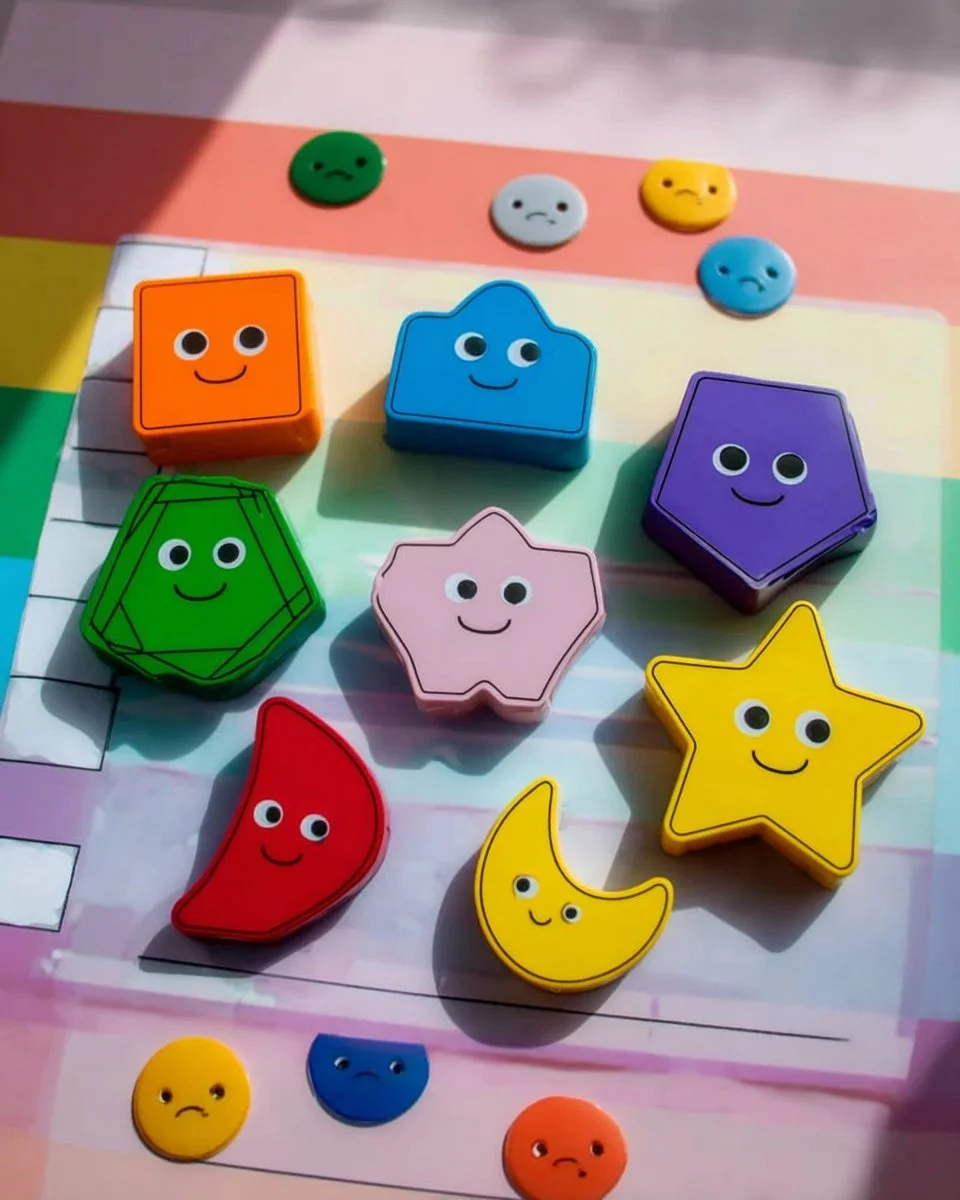
Matching and sorting activities teach cause and effect. When a child places a shape in the right spot and sees it fit, they learn to predict and adjust. Simple puzzles support visual attention and problem solving while short, scaffolded tasks help build independent play.
Language grows naturally while using the binder. Name pictures together, point out colors, and praise attempts. Children learn to follow a sequence of steps, take turns with the binder, and clean up work small routines that feel big in preschool life.
Troubleshooting Common Issues
If a page gets smudged and the marker will not wipe clean, try a damp cloth.
Sometimes markers leave ghost marks if left on laminated surfaces. Wiping immediately usually fixes it. If residues persist, a small drop of rubbing alcohol on a cloth will help, but use it sparingly and let the page dry before returning it to a child.
If your child loses interest quickly, swap to a more hands-on page.
Kids shift attention. Put away tracing pages and bring out stickers, a matching game, or a simple counting activity. Shorten the session and come back later. Expect this pattern. It means they are learning to manage focus.
If small pieces go missing, secure them in a pocket or zip bag.
Children drop pieces under furniture or in toy bins. Use a resealable bag inside the binder pocket, or attach pieces with velcro so they do not wander.
If a child has trouble holding the marker, try a thicker grip or chunkier marker.
Small hands sometimes find thin tools awkward. A thicker dry-erase marker or a molded pencil grip helps control and comfort.
If printing quality looks faded, set your printer to a higher print setting.
The pages work best with clear lines. If your printer is low on ink, the lines can be faint and that frustrates a child trying to trace. Replace the cartridge only if necessary; often printing in “best” mode fixes it.
Easy Variations to Try
- Sensory Binder Page
Add a fabric or felt square to a page for touch exploration. Let your child match the texture to a picture. This keeps the binder tactile and engages different senses. - Seasonal Theme Switch
Swap in pages that match the season. Use apple shapes in the fall or snowflake matching in winter to keep the binder fresh and timely. - Group Play Mode
Turn a few pages into a cooperative game. Have two children take turns adding stickers, counting out loud, or solving a matching challenge. This supports sharing and social skills. - Advanced Prep for Older Siblings
For slightly older preschoolers who are ready for more challenge, include simple number writing, basic addition with stickers, or short pattern sequences. Add a star sticker for completed pages to build pride. - Travel Mini Binder
Make a small, travel-sized binder with a handful of pages for car rides or appointments. Use a soft folder and a single marker with a cloth so cleanup stays easy.
Storing or Reusing This Project
Keep the binder on a low shelf for easy access and independence.
A clear plastic magazine box or a small bookshelf works well. When pages come out of rotation, store them in a labeled folder or binder sleeve so you can pull them back later.
Reuse by wiping protected pages clean after each use.
Page protectors and laminating make this simple. For pages with sticky residue from labels or stickers, a gentle warm, soapy wipe works. Avoid abrasive cleaners that might dull colors.
To reduce waste, only print what you will use.
Store printable files on your computer and print a few pages at a time. When pages show too much wear, replace only those rather than reprinting the whole set.
If you used small moveable pieces, keep them together in a clear pouch inside the binder. This keeps everything from scattering around the house and saves you time looking for lost parts.
FAQs About Back to School Activity Binder (Preschool)
Will this take a long time to set up?
I do not have much free time.
No. The first assembly can take up to 20 minutes if you print and add a few extras. Once you protect the pages and sort them, swapping pages takes a couple of minutes. I set mine up in a single afternoon and I pull it down for quick 5 to 10 minute sessions. That small upfront time saves you more minutes later.
Is it okay for a 3-year-old to use the binder alone?
Yes, with some precautions. Many pages are fine for solo play when they use crayons or stickers. Keep scissors and small velcro pieces out of reach unless supervised. Sit with them for the first few minutes to show the routine, then let them work independently if they seem comfortable.
What if my printer is out of ink or I do not want to print a lot?
Try printing in black and white or print just the pages you need. Use clear page protectors and handwrite simple lines or shapes if you prefer not to print. The binder still works with a few handmade pages.
My child loses interest halfway through. Is this normal?
Yes. Preschool attention spans are short. Break the session into a couple of quick pages and come back later in the day. Move to a hands-on or sensory activity if interest fades. Rotate new pages weekly so the binder feels fresh.
How messy will cleanup be?
Minimal if you use page protectors and dry-erase markers. Crayons and stickers can leave small bits. Keep a cloth or wipes nearby for quick cleanup. If a marker leaks, wipe it immediately. I have had a few spills when kids press too hard, but a damp cloth handled them fast and got us back to play.
A Final Helpful Note
You do not need to be perfect to make this binder meaningful. Start with a few pages that match your child’s current skill level, and celebrate small wins. If something goes sideways, laugh it off, fix it quickly, and try again. The binder grows with your child and becomes a quiet, dependable tool for learning and calm play. Trust that short, gentle sessions add up to real progress over time.
Conclusion
For more preschool-friendly reading ideas that pair well with activity time, check out this list of favorites: 10 First Day of Preschool Books I Never Start the Year Without. If you want a musical, book-based addition to your back-to-school routine, this resource is a lovely companion: A Children’s Book (and melody) For Back-to-School – Music for Kiddos.
PrintBack to School Activity Binder (Preschool)
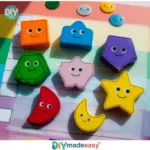
A DIY binder filled with printable activity pages designed to engage preschool children in structured play and learning.
- Prep Time: 20 minutes
- Cook Time: 0 minutes
- Total Time: 20 minutes
- Yield: 1 binder of activities 1x
- Category: Crafts
- Method: Printable Activities
- Cuisine: N/A
- Diet: N/A
Ingredients
- Printable activity pages
- 1 small child-sized 3-ring binder
- Page protectors or laminator sheets (optional)
- Dry-erase marker and small cloth or eraser
- Crayons or washable markers
- Stickers (optional)
- Scissors (for adult use)
- Velcro dots or reusable adhesive (optional)
Instructions
- Print the activity pages you want to use.
- Sort pages into a simple order, starting with easier tasks.
- Place pages inside clear page protectors or laminate them.
- Trim any loose edges and hole punch if needed.
- Insert pages into the binder in your chosen order.
- Add moveable pieces or stickers where required.
- Demonstrate the first page with your child.
- Allow your child to use a dry-erase marker on the protected pages.
- Rotate pages after use to maintain interest.
- Refresh and replenish supplies as needed.
Notes
Set aside time for first-time assembly; cleanup is quick when using page protectors. Rotate activities to keep engagement high.
Nutrition
- Serving Size: 1 session
- Calories: 0
- Sugar: 0g
- Sodium: 0mg
- Fat: 0g
- Saturated Fat: 0g
- Unsaturated Fat: 0g
- Trans Fat: 0g
- Carbohydrates: 0g
- Fiber: 0g
- Protein: 0g
- Cholesterol: 0mg