

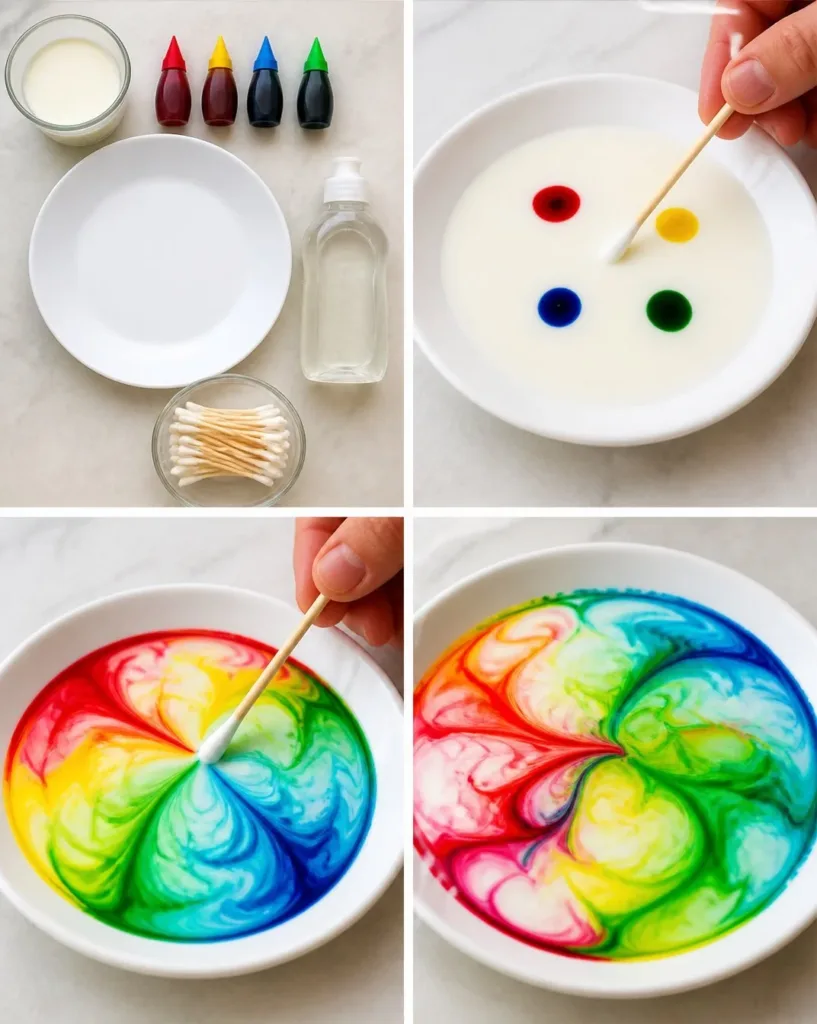
Creating memorable moments as a family can sometimes be as simple as diving into kitchen science activities. On a busy afternoon, when your kids are eager to make something fun, the Magic Color-Changing Witch’s Milk Experiment is the perfect project. With just a few everyday ingredients, you can create a visually stunning display that captivates both young minds and adults. As you mix colorful food dyes with milk, the results are mesmerizing, and the process is incredibly straightforward, making it a fantastic choice for everyone involved. Plus, if you’re looking for other delightful science experiences for kids, you might want to explore options like baking soda balloon science experiments.
Why This Magic Color-Changing Witch’s Milk Experiment Works So Well
One of the best things about the Magic Color-Changing Witch’s Milk Experiment is its low-prep nature. You only need basic kitchen items, making it accessible for the whole family, and there’s no complicated setup to be concerned about. It engages kids by combining vibrant colors with a little bit of science, allowing them to witness a chemical reaction right before their eyes. You may also find Magic Milk Experiment useful.
This experiment is reliable too; you’re unlikely to run into major issues if you follow the steps. While creativity flourishes throughout the process, the final product is a beautiful sight, making it worthwhile even on a busy day. You won’t need hours of time, and there’s minimal mess involved, as most of the materials are easy to clean up. You may also find Balloon Baking Soda Experiment Savory Splash useful.
A Quick Look Before You Begin
Engaging in this activity requires just a few short minutes of setup. The total project time is around 30 minutes, allowing for plenty of time to experiment without feeling rushed. Parents may want to supervise, especially during the mixing of baking soda and vinegar, as watching the fizz is part of the enchantment. The mess level is minimal—just milk and food coloring, which can be easily wiped away with a quick clean-up. You may also find Bright Green Crystal Seashell Experiment 2 useful.
Materials You’ll Need
- Milk (whole or any variety)
- Food coloring (various colors)
- Baking soda
- Vinegar
- Clear glass or container for mixing
- Spoon for stirring
- Optional: a tray to catch spills
Each of these items is commonly found in households, making preparation simple. If you’re using a tray, it can catch any spills and protect your surface from milk splashes.
Step-by-Step Directions
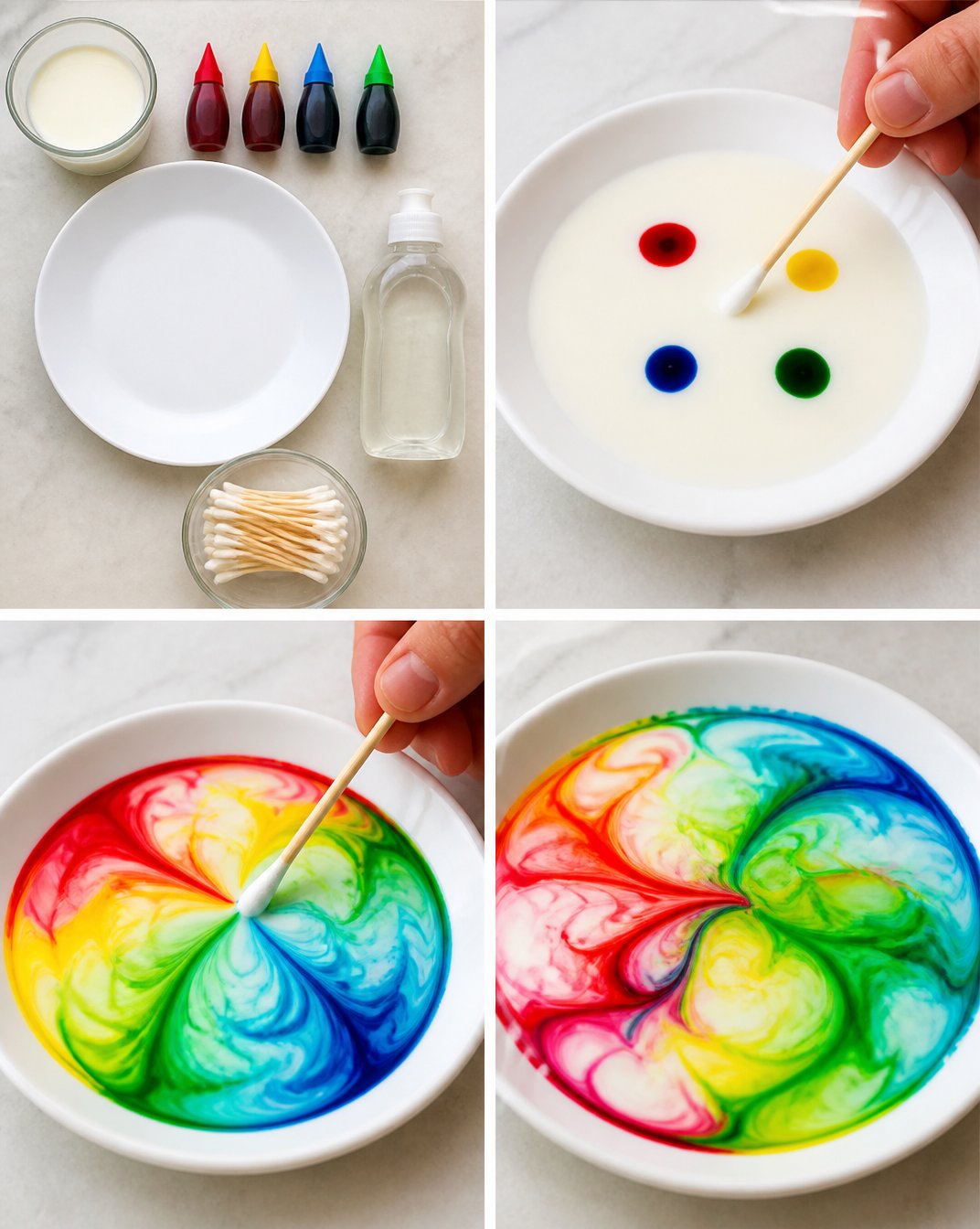
Pour the milk into your clear glass or container, filling it about halfway. Take a moment to appreciate the smooth surface of the milk.
Add a few drops of food coloring into the milk. Swirl and layer different colors to create vibrant patterns. Kids usually love doing this part, as it’s an invitation for artistic freedom.
In a separate small bowl, mix one tablespoon of baking soda with a splash of vinegar. Watch closely as the fizzing reaction occurs; it’s exciting and creates a lot of bubbles!
Once the fizzing settles, carefully pour the baking soda and vinegar mixture into the milk. Make sure to do this slowly to see the colors react.
Stir gently with a spoon to reveal the swirling colors beneath the surface. The motion will produce beautiful, dynamic patterns that change as you mix.
Display your Magic Color-Changing Witch’s Milk on a windowsill or dining table for admiration. It’s a delightful conversation starter for anyone who sees it!
The Learning Behind This DIY
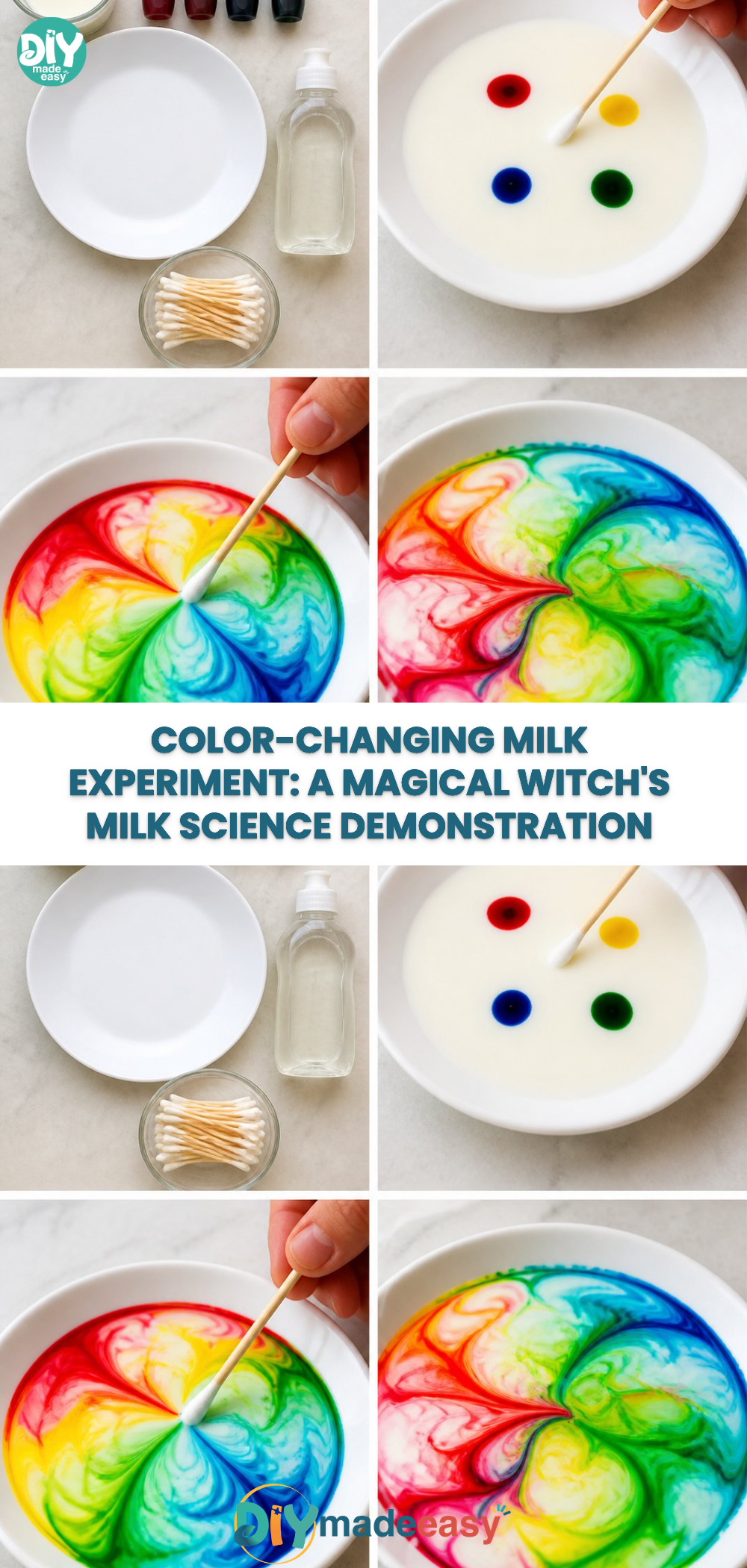
Engaging with science through this experiment builds various skills. Children experience cause and effect firsthand; they can see how adding baking soda and vinegar creates a reaction in the milk. This project also promotes fine motor skills and coordination. Swirling colors and stirring ingredients offer tactile experiences as kids manipulate their materials. Furthermore, it provides a chance for discussions about colors and chemical interactions, enhancing their understanding in a fun way.
Troubleshooting Common Issues
If something doesn’t go as planned, it’s essential to understand why and how to fix it. One common issue might be the colors not spreading well. If that happens, try using a bit more baking soda and vinegar to encourage a stronger reaction. Sometimes, stirring too vigorously can lead to mixing all the colors into a dull brown, so a gentle touch is crucial. If spills do occur, having that tray can help greatly in minimizing mess, making cleanup a breeze.
Easy Variations to Try
Want to mix things up? Here are a few variations you can try:
- Use different types of milk, such as almond or coconut, for interesting results.
- Experiment with seasonal colors for different holidays or occasions, like red and green for Christmas or pastel colors for Easter.
- Introduce scented oils to the milk to make it a multi-sensory experience, engaging not just the visual senses but the olfactory as well.
Storing or Reusing This Project
After the experiment, you may wonder what to do with the leftover materials. The good news is that while the milk can’t be stored for later use, the display can be a great conversation piece until it needs to be disposed of. If you want to keep the spirit of the project alive, consider prepping to repeat the process the next day or week with different colors to observe how the results change over time.
FAQs About Magic Color-Changing Witch’s Milk Experiment
Q: How messy is this activity, and will I need to worry about cleanup?
A: Cleanup is manageable, especially if you use a tray to catch spills! Just have some paper towels handy for any minor messes that occur.
Q: What age is this activity appropriate for?
A: This activity is suitable for kids aged 4 and up, with adult supervision recommended to ensure safety.
Q: Can I swap out any ingredients if I don’t have milk or if someone is lactose intolerant?
A: Yes, you can use alternatives like almond milk or oat milk. The colors may not be as vibrant, but it will still be an exciting experiment.
Q: What should I expect when I do this experiment?
A: Anticipate colorful swirls and an exciting fizz when adding the baking soda and vinegar. Each time can yield slightly different results depending on how the ingredients are mixed.
Q: How do I dispose of the milk once we’re done?
A: Simply pour the milk down the drain. If you’re using alternative milks, check local waste disposal guidelines to ensure proper disposal.
Conclusion
Conclusion
The Magic Color-Changing Witch’s Milk Experiment turns an afternoon into a canvas of vibrant colors and educational moments. Engaging kids with this activity fosters curiosity and offers a fun, hands-on way to learn about chemical reactions. For more exciting science activities, you can explore Witches Potions for Halloween – Science Sparks or discover how to incorporate various colors into your projects. Embrace these experiences to create lasting memories with your family!
PrintMagic Color-Changing Witch’s Milk Experiment
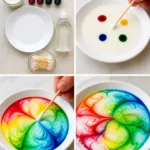
A fun and engaging science experiment that demonstrates a chemical reaction using milk and food coloring.
- Prep Time: 5 minutes
- Cook Time: 25 minutes
- Total Time: 30 minutes
- Yield: 1 batch
- Category: Science Experiment
- Method: Mixing
- Cuisine: N/A
- Diet: Vegetarian
Ingredients
- Milk (whole or any variety)
- Food coloring (various colors)
- Baking soda
- Vinegar
- Clear glass or container for mixing
- Spoon for stirring
- Optional: a tray to catch spills
Instructions
- Pour the milk into your clear glass or container, filling it about halfway.
- Add a few drops of food coloring into the milk and swirl to create vibrant patterns.
- In a separate bowl, mix one tablespoon of baking soda with a splash of vinegar and watch the fizzing reaction.
- Carefully pour the baking soda and vinegar mixture into the milk slowly to see the colors react.
- Stir gently with a spoon to reveal swirling colors beneath the surface.
- Display your Magic Color-Changing Witch’s Milk for admiration.
Notes
Cleanup is easy with minimal mess involved. Using a tray is recommended to catch any spills.
Nutrition
- Serving Size: 1 serving
- Calories: 150
- Sugar: 12g
- Sodium: 50mg
- Fat: 8g
- Saturated Fat: 4g
- Unsaturated Fat: 4g
- Trans Fat: 0g
- Carbohydrates: 12g
- Fiber: 0g
- Protein: 8g
- Cholesterol: 30mg