

Making a DIY Bouncy Ball can be an exciting way to spark creativity on a busy afternoon. Imagine your kids asking for a fun activity when you need a quick setup. Whether it’s a rainy day or a last-minute playdate, this simple project makes use of everyday materials, allowing the kids to create something bouncy and fun without a ton of prep time. With just a few ingredients, they will feel the joy of making something with their own hands. Here’s how to create a DIY Bouncy Ball that they will love playing with afterward.
Why This DIY Bouncy Ball Works So Well
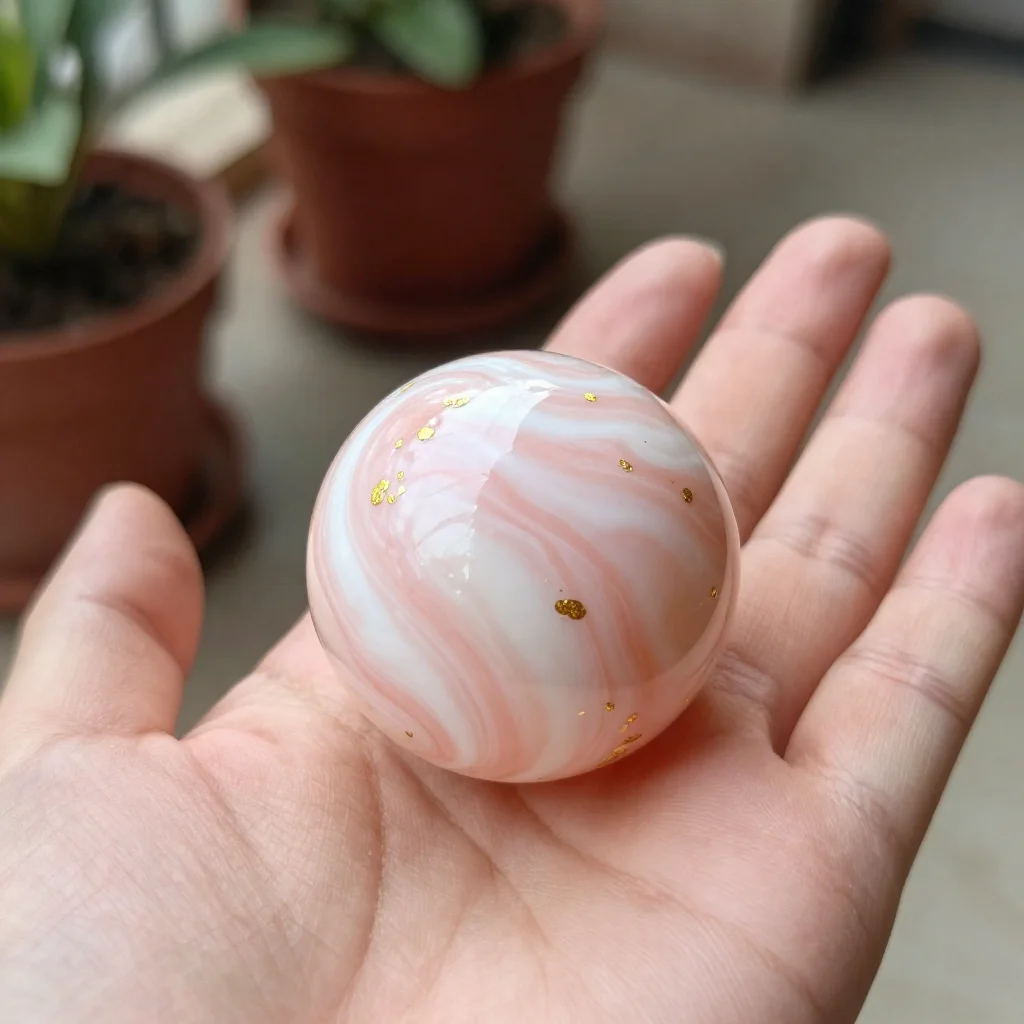
This DIY Bouncy Ball project is low-prep, approachable, and reliable. Families appreciate how quickly it comes together. With only a few ingredients, you avoid the hassle of complicated projects that require a trip to the store. Plus, this bouncy ball is a great way to engage kids’ imaginations while they experiment with colors and textures.
The method is straightforward. Children can help measure, mix, and mold the materials. It keeps them engaged while also giving you the chance to enjoy some hands-on chemistry together. And if a little mess happens, that’s part of the fun. This project is great for real-life schedules because you can create a bouncy ball in about an hour perfect for a short window of time when you’re looking for something inventive and entertaining.
How This DIY Comes Together
Creating a DIY Bouncy Ball takes roughly 30–45 minutes. The actual hands-on activity takes only about 10–15 minutes, which keeps kids’ attention without overwhelming you with cleanup. You will want to set up a clean workspace with some mixing cups and spoons ready to go. Let’s be honest: there may be some spills and sticky fingers, but it’s easy to clean up with warm water and soap after the fun.
This project is so manageable that even younger children can join in with adult supervision. You’ll find that with a little guidance, they can confidently mix the ingredients and begin shaping their bouncy creations. Overall, a bouncy ball adventure can fit nicely between snack time and homework.
Discover Easy Kids Activities
Looking for simple, fun ideas for kids? Explore our Low Prep Kids Activities and find quick projects that spark creativity without long prep time.
Materials You’ll Need
- 20 to 30 ml White PVA school glue
- 1 small pinch Baking soda
- Contact lens solution (contains boric acid or sodium borate)
- Optional: Cornstarch for firmer texture
- Optional: Food coloring or liquid watercolors
- Small disposable cups or bowls for mixing
- Spoons or small stirring sticks
- Measuring spoons
- Optional: Gloves
- A tray or plate for resting finished balls
These materials are easily found at home or in local stores. The white PVA glue is a common classroom supply, and baking soda is found in most kitchens. Contact lens solution is often a household staple too, making this project not just fun but budget-friendly. If you want to add some flair, the food coloring or liquid watercolors can make the bouncy balls colorful, which is always a hit with kids.
Step-by-Step Directions
- Measure and pour the glue into a small bowl or cup. Start with about 20 to 30 ml, depending on how big you want your ball to be.
- Warm your hands first to make the glue feel less cool against your skin. This simple step makes the process feel more comfortable, especially for young hands.
- Add a pinch of baking soda to the glue and stir slowly. This tiny addition helps the glue transform into a more pliable material.
- Drop in a tiny amount of food coloring or watercolor if you want color. A little goes a long way, so start with just a drop or two.
- Add contact lens solution, one small squirt at a time, while stirring. This is where the real magic happens. The solution activates the adhesive properties of the glue and starts to change the texture.
- Use your fingers to pull the forming ball from the cup. It may feel slightly sticky at first, but that’s okay.
- Knead the ball on a clean surface for three to five minutes. This step builds the texture. Keeping an eye on how the ball feels can help adjust the mix if needed.
- Test the bounce gently by dropping the ball from a low height. This is exciting! Encourage the kids to notice how it bounces.
- Rest the finished ball for an hour on a tray to set fully. This gives it enough time to harden properly.
- Make small adjustments in later batches to refine texture. Each round can teach something new about the mix.
- Clean hands and tools with warm water and mild soap. Tidying up is just as satisfying as creating.
The Simple Science or Skills at Work
While making a bouncy ball, kids explore cool science concepts without even realizing it. They learn about the combination of materials and how reactions work. Mixing glue, baking soda, and contact lens solution highlights basic chemical properties. Children can experience cause and effect what happens when they add one ingredient or another.
Additionally, they practice fine motor skills and coordination while measuring, mixing, and molding the ball. Each tiny movement helps build those skills. They learn patience too, especially when waiting for their ball to finish setting before they can play.
Troubleshooting Common Issues
If something doesn’t go as planned, don’t worry. Here are some common problems along with easy fixes.
The ball may not bounce well if there’s not enough contact lens solution, or they may end up too sticky. If you find that’s happening, add a little more contact lens solution but do it slowly, mixing well.
If the ball feels too hard or firm, try adding a touch of cornstarch next time for a softer texture. And if it’s too loose, a bit less lens solution next time can help adjust that. Don’t feel discouraged each round helps you refine what works best!
Easy Variations to Try
To keep things fresh for future bouncy ball projects, consider these variations.
Try using different colors for different batches. Instead of mixing one color, blend them to see what unique shades you create. You can also experiment with different types of liquid (like adding a bit of fruit juice for scent), though that will slightly change the bounce. Adding different amounts of cornstarch can lead to firmer or fluffier balls.
And younger kids might enjoy a theme, making seasonal bouncy balls in spring or autumn colors. Just adjust the colors to fit the season.
Storing or Reusing This Project
After your kids are done bouncing, consider how to store or reuse the bouncy balls. You can keep the balls in a clean container or basket, allowing kids to have easy access to their creations while keeping clutter at bay.
If the balls lose their bounce over time, you might want to encourage your kids to recycle the materials or try making new ones, refreshing their learning experience. This way, they get a chance to revisit the fun activity while reducing waste.
FAQs About DIY Bouncy Ball
Will this project make a mess in the kitchen?
It can create some stickiness, but a quick cleanup with warm water and soap will have your area back to normal.
What ages is this activity suitable for?
This project is great for a wide range of ages, but younger children will need some adult supervision during the mixing.
Can I substitute any materials?
You can sometimes use glue sticks instead of PVA glue, but be sure to adjust for the measurements accordingly.
How long does it last once made?
These bouncy balls typically last for a while, but as they age, they may lose some of their bounce.
Can we store them or reuse the materials?
Yes, keeping the bouncy balls dry in a container can help preserve them for fun later. You can also try creating new ones when you’re ready.
Conclusion
Creating your own DIY Bouncy Ball offers a wonderful opportunity for kids to explore hands-on science in a fun and interactive way. The combination of simple materials allows for a creative and enjoyable experience, while also introducing some basic concepts of chemistry. So next time you find yourself needing an engaging activity, remember this project. For some additional insights and different methods, you can check out How to Make a Bouncy Ball and Make Your Own Super Bouncy Balls – Lifes Carousel. Embrace the fun of DIY and watch as your kids delight in their very own bouncy balls!
PrintDIY Bouncy Ball
A fun and educational project to create your own bouncy ball using everyday materials.
- Prep Time: 10 minutes
- Cook Time: 30 minutes
- Total Time: 40 minutes
- Yield: 1 bouncy ball 1x
- Category: Craft
- Method: Mixing
- Cuisine: N/A
- Diet: N/A
Ingredients
- 20 to 30 ml White PVA school glue
- 1 small pinch Baking soda
- Contact lens solution (contains boric acid or sodium borate)
- Optional: Cornstarch for firmer texture
- Optional: Food coloring or liquid watercolors
- Small disposable cups or bowls for mixing
- Spoons or small stirring sticks
- Measuring spoons
- Optional: Gloves
- A tray or plate for resting finished balls
Instructions
- Measure and pour the glue into a small bowl or cup.
- Warm your hands first to make the glue feel less cool against your skin.
- Add a pinch of baking soda to the glue and stir slowly.
- Drop in a tiny amount of food coloring or watercolor if you want color.
- Add contact lens solution, one small squirt at a time, while stirring.
- Use your fingers to pull the forming ball from the cup.
- Knead the ball on a clean surface for three to five minutes.
- Test the bounce gently by dropping the ball from a low height.
- Rest the finished ball for an hour on a tray to set fully.
- Clean hands and tools with warm water and mild soap.
Notes
A great project to engage kids in hands-on science while having fun. Ensure adult supervision for younger children.
Nutrition
- Serving Size: 1 ball
- Calories: 5
- Sugar: 0g
- Sodium: 5mg
- Fat: 0g
- Saturated Fat: 0g
- Unsaturated Fat: 0g
- Trans Fat: 0g
- Carbohydrates: 1g
- Fiber: 0g
- Protein: 0g
- Cholesterol: 0mg