

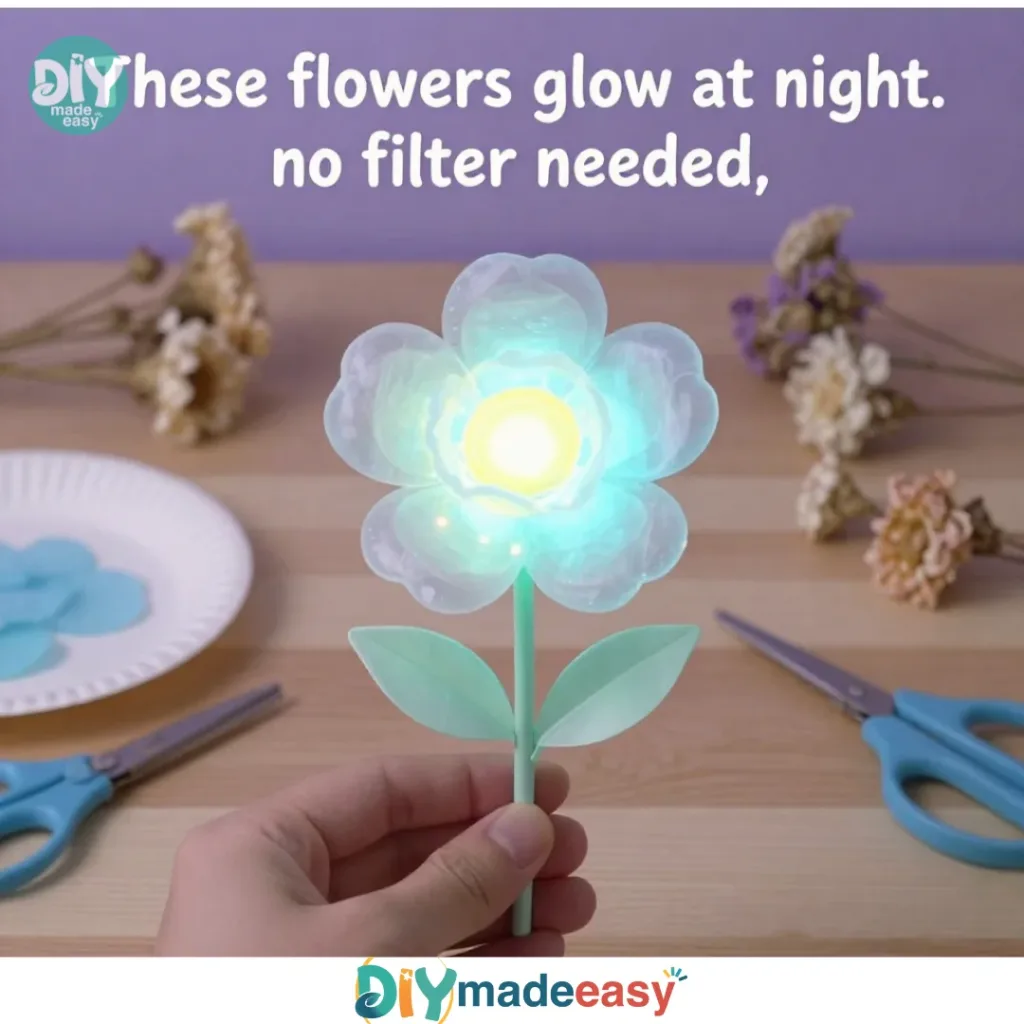
When the kids get home from school on a busy afternoon, there’s usually one thing on their minds: creativity. After their long day, they want to dive into a project that brings a spark of joy. If you find yourself in need of a quick and engaging activity, consider trying Glowing Flowers DIY. This delightful project not only allows your little ones to express their artistic abilities, but it also brings together elements of nature, science, and a little bit of magic. Imagine their faces lighting up as they create flowers that shimmer and glow perfect for a cozy evening indoors or as a centerpiece for a family gathering.
Why This Glowing Flowers DIY Works So Well
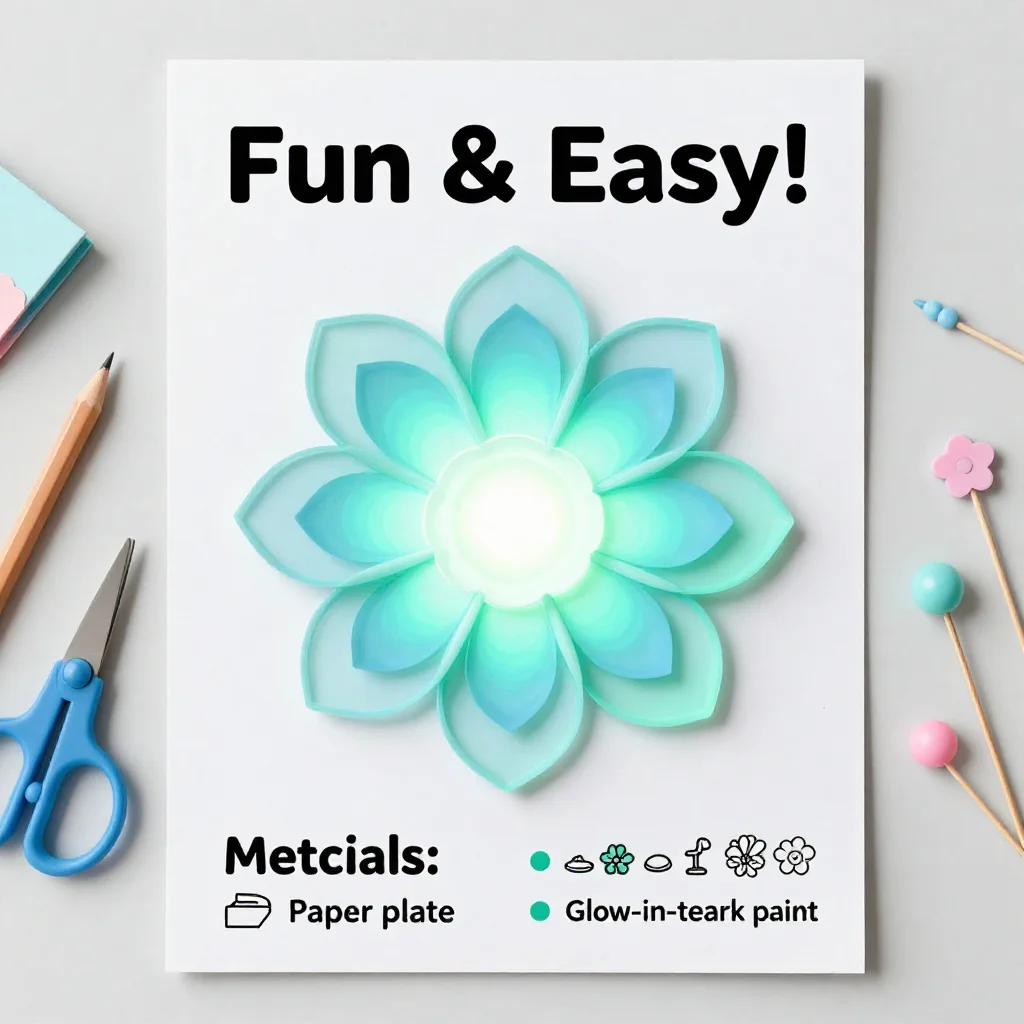
This DIY project is low-prep and approachable, making it a wonderful choice for families. You don’t need an art studio filled with supplies; just a handful of common household items will do. The beauty of Glowing Flowers is in its simplicity. Even on the busiest days, setting aside time for this activity feels manageable.
The glowing effect is not only visually appealing but also adds a sense of wonder to the finished project. When kids see their creations lit up, it becomes a source of pride. This is about more than just crafting; it’s about learning through doing and enjoying the result.
Plus, the reliability of this project makes it appealing to parents. Each step is straightforward, allowing kids to follow along with minimal assistance. You’ll find that it naturally fosters creativity, thanks to the flexibility in colors, flower types, and glowing designs. With proper guidance, each child can express their unique style, ensuring real results every time.
Discover Easy Kids Activities
Looking for simple, fun ideas for kids? Explore our Low Prep Kids Activities and find quick projects that spark creativity without long prep time.
A Quick Look Before You Begin
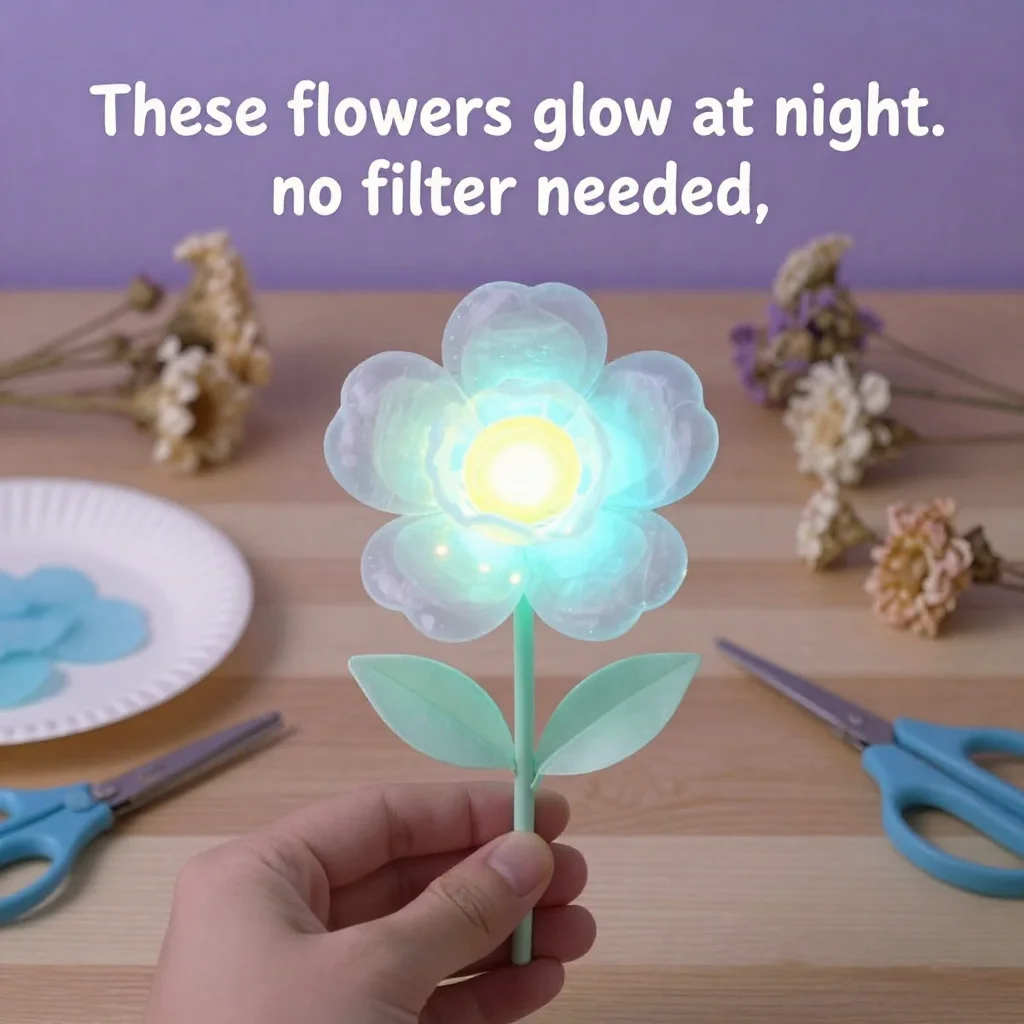
Before you jump into the actual making, let’s take a quick look at what to expect. The overall timing for the Glowing Flowers DIY is about two hours, but the actual active time is only about 30 minutes. The waiting for the bioplastic to dry takes the most time, but it allows for a nice break. Set up your work area by covering it with newspaper or a plastic tablecloth. This minimizes cleanup and allows your kids to focus fully on their creation.
Consider involving your children in gathering supplies too. They’ll feel more invested in the project if they help in gathering everything. The mess level is low, especially if you take care to prepare beforehand. As long as kids are reminded to be gentle when coating their flowers, spills should be minimal.
If you have younger children, you may want to lend an extra hand during some of the more delicate steps, particularly when coating the flowers or placing the LED lights. This project not only allows for fun creative exploration but also offers opportunities for learning about teamwork.
Materials You’ll Need
Before diving into making your glowing flowers, here’s a quick list of everything you’ll need:
- Fresh or dried flowers
- Bioplastic (made from natural sources)
- Acrylic paint (optional)
- Paintbrush
- LED lights (small string lights)
- Scissors
- Bowl of water
- Baking sheet
Each of these materials are commonly found at home or easily sourced. The bioplastic can be a fun element because it can be created from natural sources, enhancing the environmental aspect of your project. Acrylic paint is optional, allowing kids to add their unique touch if they wish.
Step-by-Step Directions
- Select your flowers and touch their petals to notice their texture and fragrance. This step engages your senses and helps children connect with the natural world. Encourage them to explore different flowers to appreciate the variety.
- If using fresh flowers, dip their stems in a bowl of water to keep them hydrated. This keeps the flowers vibrant for the duration of your project. It’s exciting to see the colors pop when they are fresh.
- Prepare your bioplastic according to your recipe. You can make bioplastic with simple ingredients like starch and water. Follow a reliable recipe, as this step is crucial for the next part.
- Coat the flowers gently with the bioplastic. Use the paintbrush to apply an even coat. Encourage kids to be gentle; they should aim to cover all the petals without creating drips. This process is tactile and allows them to explore the texture of both the bioplastic and the flowers.
- Lay the coated flowers on a baking sheet and allow them to dry. This drying process takes some time, but it’s a great opportunity for the kids to discuss their designs or even start planning how they’ll arrange the lights later.
- Optionally, add details or color with acrylic paint. If the kids decide to go for it, this is where they can truly shine. Painting delicate details adds personality, and it’s a chance for them to experiment with colors and design choices.
- Place LED lights around or inside the flowers, weaving them comfortably among the petals. This step brings the project to life. Position the lights carefully so that the flowers still look beautiful and the glow shines through.
- Enjoy the glow of your creation! Gather as a family to admire the glowing flowers. This is the moment of pride and satisfaction as everyone sees the fruits of their labor.
The Learning Behind This DIY
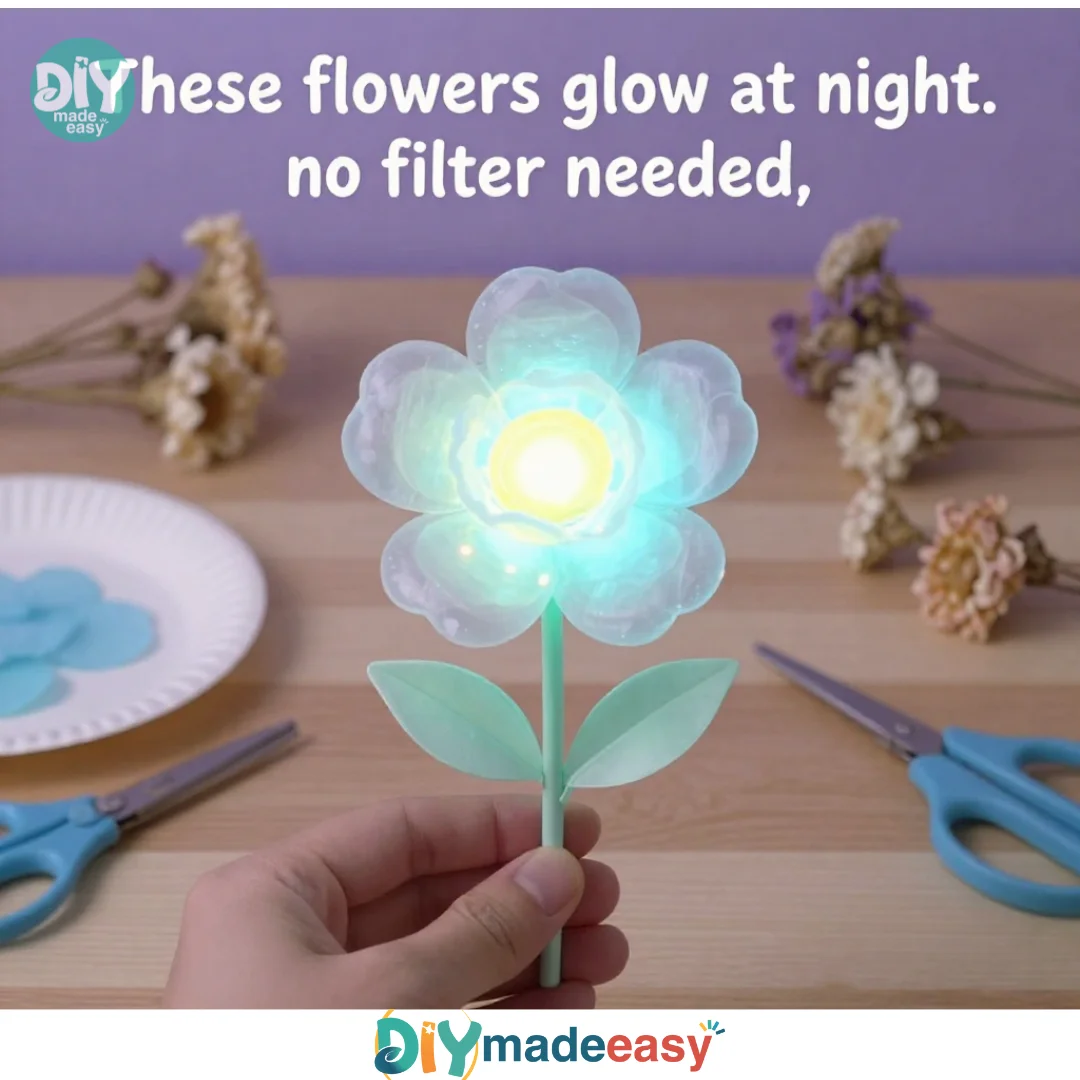
While making Glowing Flowers, kids practice various skills without even realizing it. From fine motor skills, as they delicately coat the flowers and place the lights, to understanding basic science concepts related to bioplastics and light, each step offers an opportunity for growth.
Kids experience cause and effect, too. They see firsthand how different materials can change the outcome of their project. Maybe they realize the difference between fresh and dried flowers, or how the thickness of the bioplastic can affect the final results. These observations naturally spark curiosity and discussion, enriching their learning experience.
Troubleshooting Common Issues
If something doesn’t go as planned, don’t worry. It’s perfectly normal in any DIY project. Here are a few common issues and how to address them:
- Bioplastic not sticking. If this happens, try applying a thicker coat and ensuring the flowers are fully separated on the baking sheet. Check that they are not clumped together, as this can cause issues with adhesion.
- Lights not illuminating fully. This could mean the connection is loose or the placement of the lights is blocking the shine. Double-check connections and weave lights more freely among the petals.
- Flowers losing color. If fresh flowers fade during the process, remind kids about the importance of quick hydration. It may help to have a vase of water to dip them in throughout the project.
These moments allow for learning and flexibility, which can turn minor setbacks into teachable experiences.
Easy Variations to Try
Here are a few simple ways to mix up your Glowing Flowers project:
- Use different flower types. Experiment with various shapes and sizes. Each type may absorb the bioplastic differently and could change the final glowing effect.
- Add glitter. Mixing in some biodegradable glitter with the acrylic paint can sparkle in addition to the glow.
- Seasonal themes. For example, create autumn leaves in the fall or winter snowflakes with lights that evoke the feeling of each season.
- Create a mobile or wreath. After making the glowing flowers, assemble them into a hanging mobile or a wreath to decorate your home.
Encourage kids to brainstorm their own variations; their ideas can lead to exciting new directions.
Storing or Reusing This Project
Once you’ve made your glowing flowers, think ahead about their future. If you want to save them, place them in a well-ventilated area until completely dry, then store them flat in a box. Keep an eye out for moisture, which can damage both flowers and LEDs.
Think creatively about how the kids can reuse these flowers. They can become part of a larger art project. Alternatively, they can be displayed outside as glow decorations during warmer evenings. Just be cautious of weather; moisture can affect the bioplastic.
FAQs About Glowing Flowers DIY
What if my kids make a mess while working with the bioplastic?
It’s a common occurrence, but don’t let it ruin your fun. Encourage them to work over a protected surface, like newspaper or plastic. If spills happen, a simple damp cloth should do the trick. Make cleanup a team effort, showing them how to tackle small messes together.
Is this project safe for younger children?
Absolutely! With some adult supervision, younger children can fully engage in this project. Keep them focused on flower selection and coating. Just be sure to monitor any small parts, like LED lights, to ensure they don’t accidentally get swallowed.
Can we substitute materials for the bioplastic or flowers?
Yes, you can explore substitutes. If you don’t have the materials for traditional bioplastic, you might try simple glue or craft materials. Just remember that the results may differ. For flowers, even paper cutouts can create a fun, glowing decoration.
What should I do if my flowers lose their color?
If you notice fading, encourage kids to use fresh blooms right before getting started. Always try to keep flowers hydrated for as long as possible.
How can we store the glowing flowers after making them?
Store them in a flat, dry space, away from moisture. Consider keeping them in a box or container that allows airflow. This will preserve their glow and integrity.
Conclusion
With the hassle of busy days, finding time for creative projects can feel daunting. However, this Glowing Flowers DIY project offers a fun, low-prep activity that will excite kids and spark their creativity. You’ll find that as they explore the tactile nature of the materials, they’ll discover not just the joy of crafting, but also the beauty of science in action. If you’re looking for more ideas on similar creative projects, you can check out Flower Science Experiment for Kids or explore Glowing Pandora Flowers for inspiration. Whether you’re soon transforming your living room into a glowing garden or enjoying a unique family bonding moment, the satisfaction of a hands-on project will surely be memorable.
PrintGlowing Flowers DIY
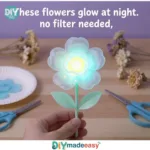
A fun and engaging DIY project for kids to create glowing flowers using household items.
- Prep Time: 30 minutes
- Cook Time: 90 minutes
- Total Time: 120 minutes
- Yield: 1 project
- Category: Craft
- Method: DIY
- Cuisine: N/A
- Diet: N/A
Ingredients
- Fresh or dried flowers
- Bioplastic (made from natural sources)
- Acrylic paint (optional)
- Paintbrush
- LED lights (small string lights)
- Scissors
- Bowl of water
- Baking sheet
Instructions
- Select your flowers and touch their petals to notice their texture and fragrance.
- If using fresh flowers, dip their stems in a bowl of water to keep them hydrated.
- Prepare your bioplastic according to your recipe.
- Coat the flowers gently with the bioplastic using a paintbrush.
- Lay the coated flowers on a baking sheet and allow them to dry.
- Optionally, add details or color with acrylic paint.
- Place LED lights around or inside the flowers.
- Enjoy the glow of your creation!
Notes
Involve your children in gathering supplies for more engagement.
Nutrition
- Serving Size: 1 project
- Calories: 0
- Sugar: 0g
- Sodium: 0mg
- Fat: 0g
- Saturated Fat: 0g
- Unsaturated Fat: 0g
- Trans Fat: 0g
- Carbohydrates: 0g
- Fiber: 0g
- Protein: 0g
- Cholesterol: 0mg