

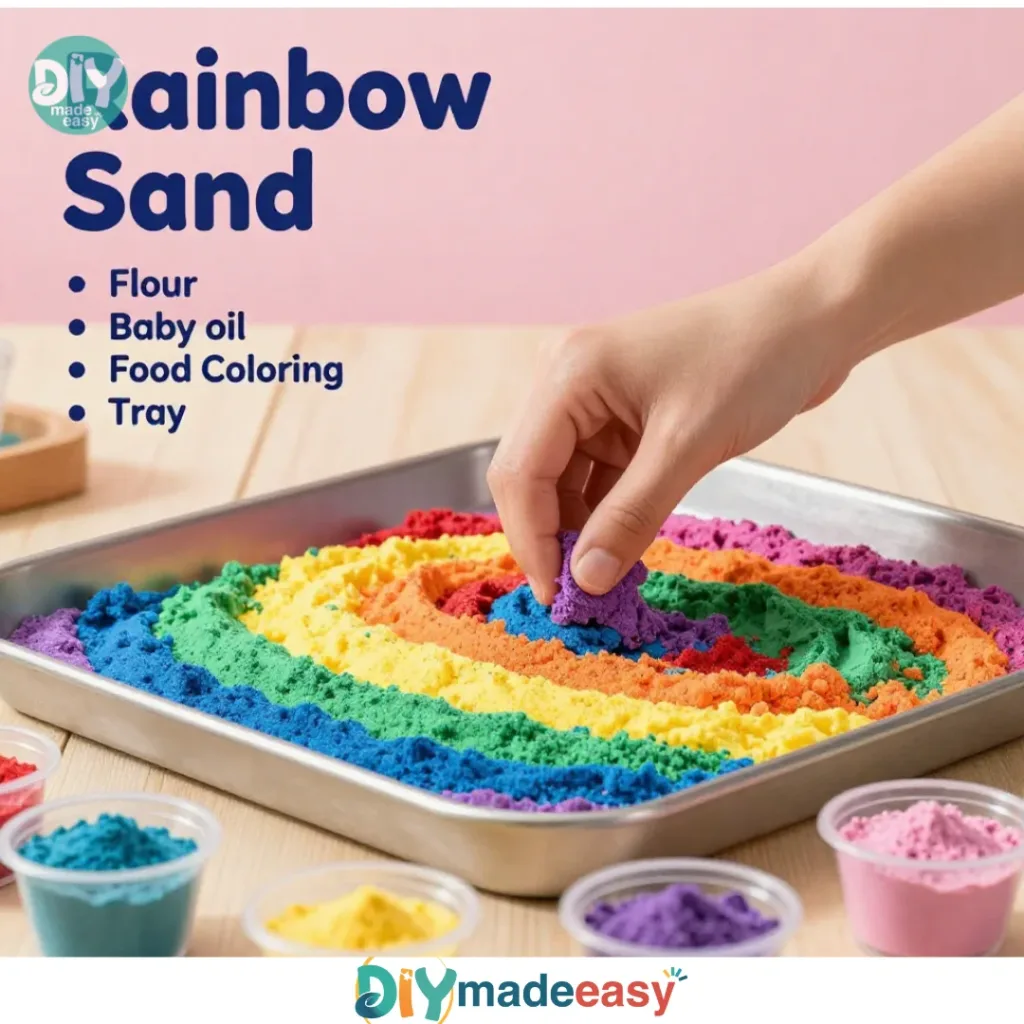
Making Rainbow Sand is a delightful project that brings color and creativity into your home. Imagine it’s a busy afternoon and your kids suddenly announce they want to make something fun right now. You feel the pressure of wanting to keep their spirits high without diving into a complex activity. That’s where Making Rainbow Sand comes in handy. With a few simple ingredients and a gentle approach, you can whip up colorful sand that will excite everyone. The best part? It’s an enjoyable experience that sparks creativity without overwhelming your schedule.
Why You’ll Love Making Making Rainbow Sand
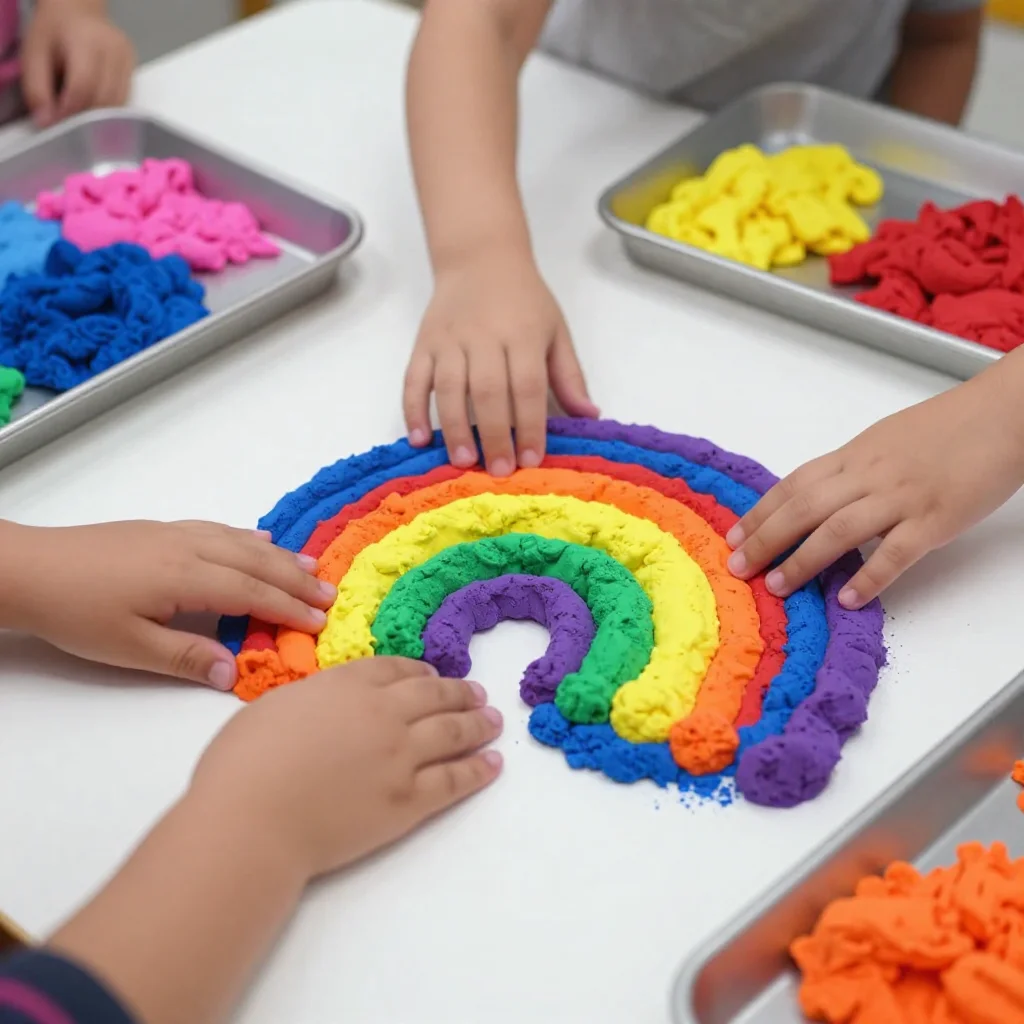
Making Rainbow Sand is a project that works well for families because it’s low-prep and approachable. You don’t need fancy tools or complicated steps. Most of the supplies come from your kitchen or backyard. The end result is a vibrant jar of sand, perfect for decoration or sensory play. Plus, it doesn’t require a long attention span. The steps are quick enough to keep kids engaged without feeling rushed or frustrated.
It’s a reliable activity that allows kids of different ages to participate. Young ones can help with pouring while older kids can get creative with color mixing. You can set a relaxed atmosphere for this DIY. Even if messes happen, you’ll find that clean-up is manageable, making it easy to fit into any real-life schedule.
Discover Easy Kids Activities
Looking for simple, fun ideas for kids? Explore our Low Prep Kids Activities and find quick projects that spark creativity without long prep time.
A Quick Look Before You Begin
Making Rainbow Sand is a simple process that takes about an hour from start to finish, including drying time. Fortunately, the setup is straightforward. Gather your materials, and lay out a clean work space, perhaps by using a big tray or an old tablecloth to catch any spills. You may want to put on gloves if you’re concerned about dyeing fingers. The mess level is low compared to other projects. Sure, you might spill a little sand here and there, but that’s part of the fun! You can encourage kids to help with the clean-up afterward as a way to teach responsibility.
Adult involvement can be minimal. You’ll supervise the dyeing and layering process, ensuring safety and guiding color combinations, which can enhance the experience. Timing isn’t strict, so you can take breaks as needed, inviting kids to get lost in their artistic expression.
Materials You’ll Need
- Fine white sand
- Non-toxic liquid food coloring or natural pigments
- Small containers for mixing colors
- Clear jars or bottles for layering sand
- Funnel (optional)
- Gloves (optional)
- Water
These materials are mainly common household items, so they’re easy to gather. If you don’t have food coloring, natural pigments can serve just as well. The funnel, while optional, makes layering sands neater. And gloves can keep fingers clean, allowing for a more enjoyable experience, especially if kids are sensitive about getting that rainbow hue on their hands.
Step-by-Step Directions
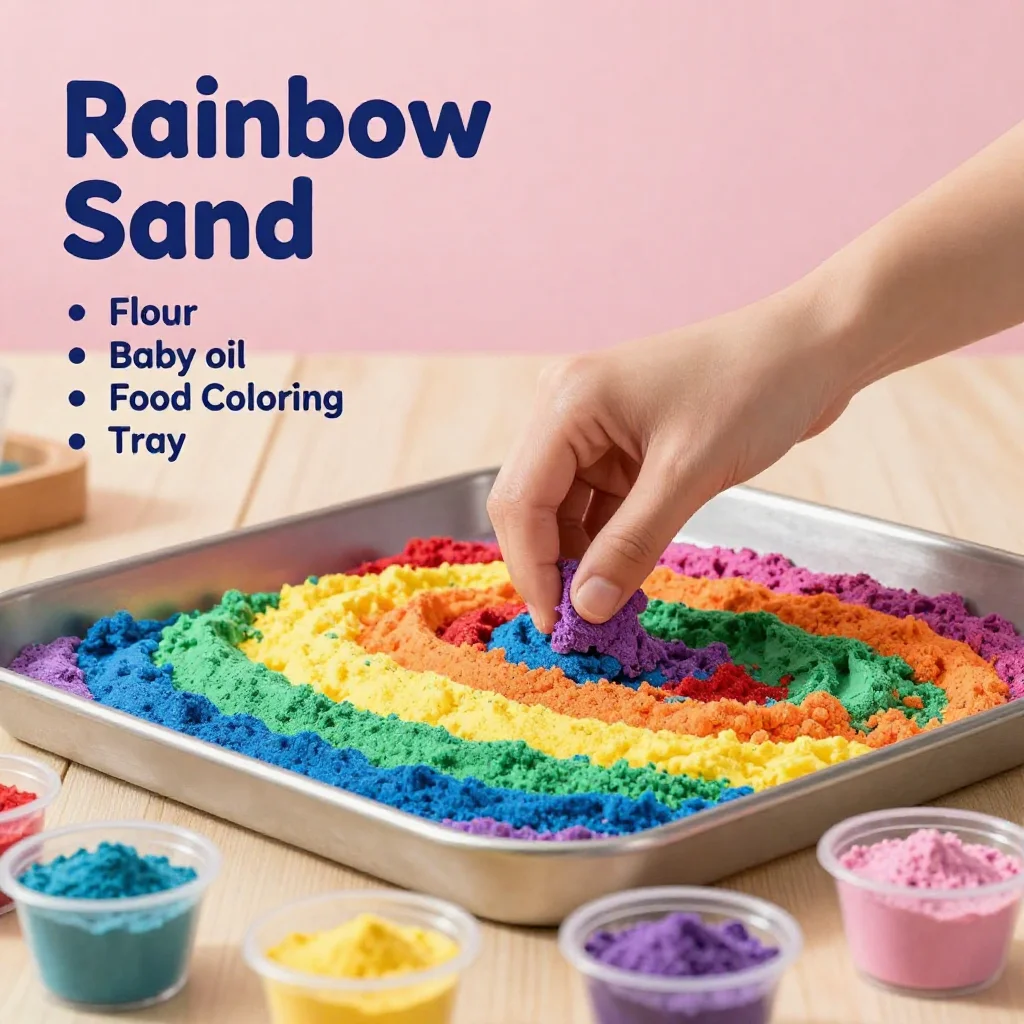
- Start by mixing your sand with liquid food coloring in a small container. Pour a generous amount of sand, then add a few drops of the coloring. You’ll see the sand instantly transform, making it an exciting moment for everyone involved.
- Add a few drops of water to help the color spread evenly, stirring gently. This step helps the sand absorb the color fully and prevents clumps. Watch as the sand takes on a consistent hue with each stir.
- Spread the sand on a tray to dry. After mixing, it’s essential to separate the colored sand to allow for proper drying. This may take some time, but you can use this moment to tidy up or prepare other colors.
- Repeat the process with different colors. Encourage kids to think about color combinations and patterns. Each batch of sand can be a unique creation, sparking conversations about their choices.
- Pour the colored sand into clear jars or bottles, starting with the first color and layering carefully. This step requires a bit of finesse, as you want the colors to stay distinct. Using a funnel can help, but even pouring slowly with careful hands works just fine.
- Seal the jars with lids and reflect on the beauty of your work. This is the final and satisfying moment where you get to admire the vibrant creations. Your hard work has paid off, leaving everyone with a lovely reminder of their effort.
The Learning Behind This DIY
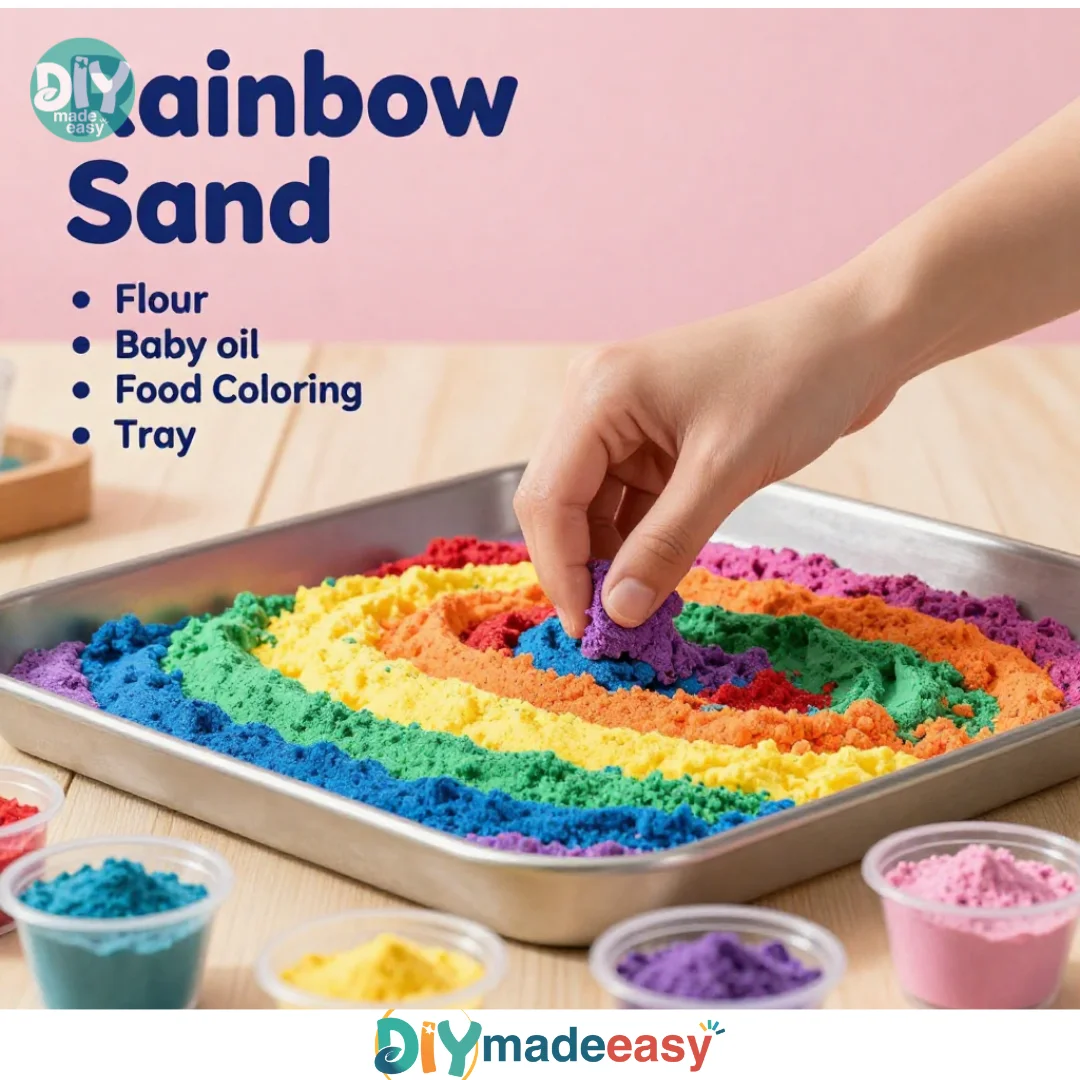
While Making Rainbow Sand is undoubtedly a creative endeavor, it also offers lessons in science and coordination. Kids get to learn about color mixing, understanding how different colors blend to create new shades. This spontaneous exploration of colors can spark questions about primary and secondary colors, making it a teachable moment without feeling forced.
Kids also practice important fine motor skills as they mix the sand and carefully layer it into jars. The act of pouring and controlling the flow of sand is great for developing hand-eye coordination. There’s a satisfying cause and effect at work here; when they experience the colors and textures, they gain confidence in their abilities.
Troubleshooting Common Issues
When crafting with sand and food coloring, you might encounter a few common issues. Spills may happen, especially if kids get excited about pouring. If you find sand clumping in the jar, it’s likely due to excess water in your mix. To fix it, try spreading the clumpy sand out to dry a little longer.
If the colors don’t appear as vibrant as you’d hoped, consider adding more food coloring to the mixture. Just a few more drops can make all the difference. When layering the sand, if you notice that the layers are mixing instead of staying separate, remind the kids to pour slowly and gently.
Easy Variations to Try
The beauty of Making Rainbow Sand lies in its flexibility. To change it up, you can try these variations:
- Use different container shapes for a unique display. Instead of jars, why not use clear bottles or even flowerpots?
- Experiment with different textures. If you have coarse sand, that can create a beautiful effect when layered with fine sand.
- Incorporate small decorations like shells or shiny beads between layers for added visual interest.
- Try natural colorants using spices like turmeric or beet juice for a twist on the typical food coloring.
- For seasonal themes, create sand in colors that represent a holiday, such as red and green for Christmas or pastels for Easter.
Storing or Reusing This Project
After crafting your rainbow sand, you might wonder what to do with the results. The good news is that this colorful sand can be reused in various ways. If stored in clear containers, it makes excellent decorations for a playroom or classroom. Remember, the jars can be sealed tightly to prevent any spills or color fading.
For clean-up, simply gather any spilled sand and place it back in the container or another vessel. This way, you lessen waste and get to enjoy the project even longer!
FAQs About Making Rainbow Sand
Will this project create a mess in my kitchen?
It’s likely there will be some sand spills, as with any craft project. To minimize mess, lay down an old tablecloth or newspaper as a protective layer. It makes clean-up much easier.
Is the food coloring safe if my kids touch it?
Yes, using non-toxic liquid food coloring makes the project safe for kids. Just supervise to help avoid any accidental ingestion or staining.
Can I substitute the sand with something else?
If you don’t have fine white sand, consider using something like sugar or cornmeal for a different texture and color mixing experience. It’s budget-friendly and can be found in any regular pantry.
What should I do if my colored sand looks dull?
If the colors aren’t vibrant, add a few more drops of food coloring to the sand during mixing. Watch it absorb, and you’ll see it brighten right up again!
How can I store the colored sand?
Keep the sand in clear jars with tight lids to avoid spills and preserve the vibrant colors. It can make a lovely decorative piece or a sensory play item for future use.
Conclusion
Making Rainbow Sand is an activity filled with joy and creativity, perfect for busy afternoons when kids need something engaging to do. You can enjoy watching them explore colors and textures while keeping the process simple and manageable. If you’re looking for more ways to play with colors, check out other ideas like Rainbow Sand Art or explore sensory variations with Rainbow Kinetic Sand. Remember, the most essential part is to have fun and cherish the moments spent together while creating something beautiful.
PrintMaking Rainbow Sand
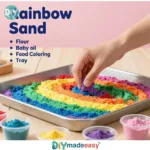
A fun and colorful DIY project that engages kids in creative play by making their own rainbow sand.
- Prep Time: 15 minutes
- Cook Time: 45 minutes
- Total Time: 60 minutes
- Yield: Multiple jars
- Category: Craft
- Method: Crafting
- Cuisine: N/A
- Diet: N/A
Ingredients
- Fine white sand
- Non-toxic liquid food coloring or natural pigments
- Small containers for mixing colors
- Clear jars or bottles for layering sand
- Funnel (optional)
- Gloves (optional)
- Water
Instructions
- Start by mixing your sand with liquid food coloring in a small container.
- Add a few drops of water to help the color spread evenly.
- Spread the sand on a tray to dry.
- Repeat the process with different colors.
- Pour the colored sand into clear jars or bottles, starting with the first color and layering carefully.
- Seal the jars with lids and reflect on the beauty of your work.
Notes
For easy clean-up, lay down an old tablecloth or newspaper. Non-toxic food coloring is safe for kids, but supervision is advised.
Nutrition
- Serving Size: N/A
- Calories: N/A
- Sugar: N/A
- Sodium: N/A
- Fat: N/A
- Saturated Fat: N/A
- Unsaturated Fat: N/A
- Trans Fat: N/A
- Carbohydrates: N/A
- Fiber: N/A
- Protein: N/A
- Cholesterol: N/A