

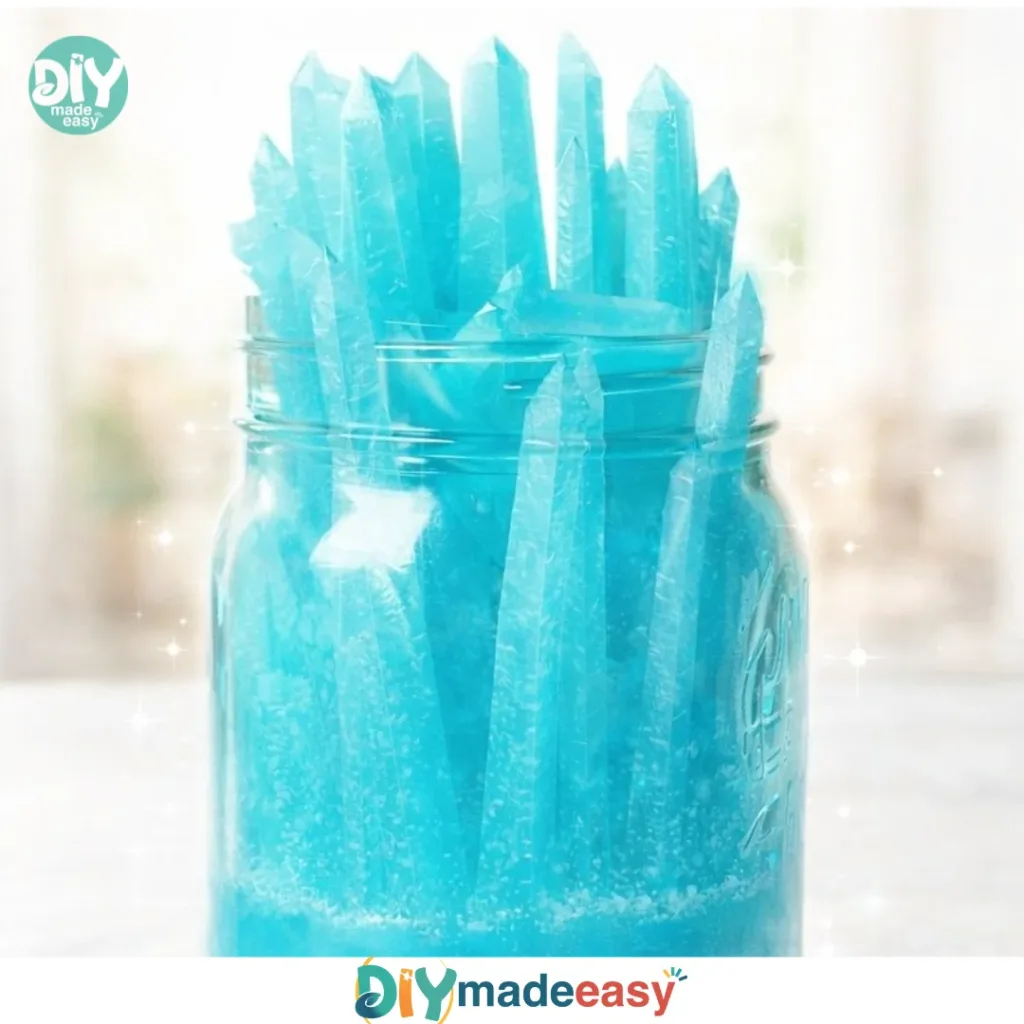
The afternoon is buzzing with energy; the kids are restless, and you need an engaging activity that won’t take ages to set up. As you search your kitchen, the answer presents itself in two staple items: baking soda and white vinegar. Gather them together, and you can create an exciting and visual Baking Soda and Vinegar Experiment. This fun project is not only easy to do but also sparks curiosity and discovery, making it perfect for a busy day at home. With just a few simple steps, you can turn these ingredients into an explosive reaction that will surely delight your little ones.
Why This Baking Soda and Vinegar Experiment Works So Well
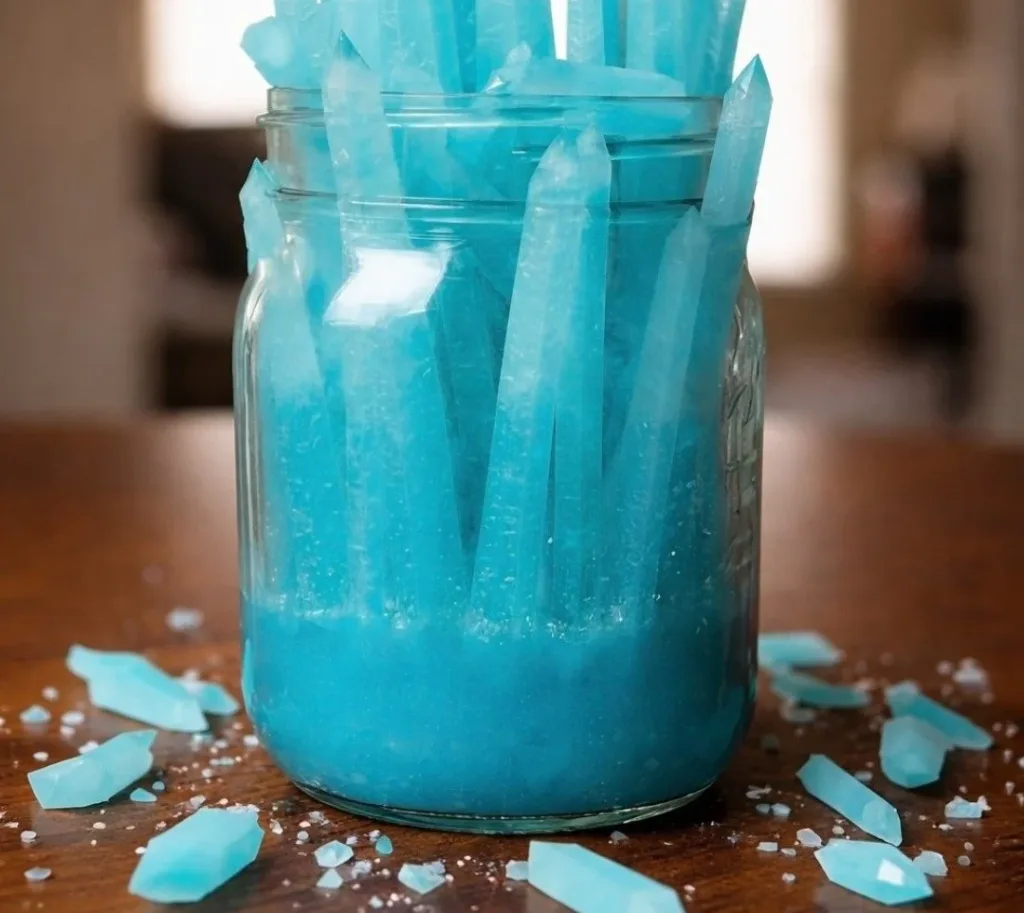
Choosing the Baking Soda and Vinegar Experiment is a smart move for any parent who wants to balance fun and learning. These two ingredients come together automatically, showcasing chemistry in action without overwhelming prep. It’s low-prep, needing only the basics, so you can set it up quickly, even on a hectic day.
The reaction itself is reliable, producing bubbly fizzes and eruptions that maintain excitement. There’s no need to get lost in complicated instructions or technical jargon. Just gather your materials, follow some clear steps, and kids—along with you—will be mesmerized by the results.
Since the involvement is straightforward, the kids can take ownership of the activity. You’ll feel proud as you watch them be hands-on, learning through observation and experimentation. This project fits seamlessly into real-life schedules, inviting laughter and amazement right where you are.
A Quick Look Before You Begin
It’s helpful to have a calm overview before diving into the Kitchen Science world. This project won’t take long at all. You can expect to spend around 10 to 15 minutes on setup and the actual experiment, making it a great quick fix for any active afternoon.
As you set everything up, the mess level is manageable. You’ll likely have some fizz overflow, but that’s all part of the fun! Adult involvement is minimal, mainly just to guide the children or supervise if necessary. This allows you to sit back and enjoy the bright bubbles as they rush up from your jar, transforming the simple combination of baking soda and vinegar into pure joy.
Materials You’ll Need
- Baking soda: A common household item.
- White vinegar: Readily available in most kitchens.
- Clear glass jar: Perfect for observing the reaction up close.
These materials are simple and budget-friendly. You won’t need to shop for anything extravagant, making this project a win-win as you gather everything at a moment’s notice.
Step-by-Step Directions
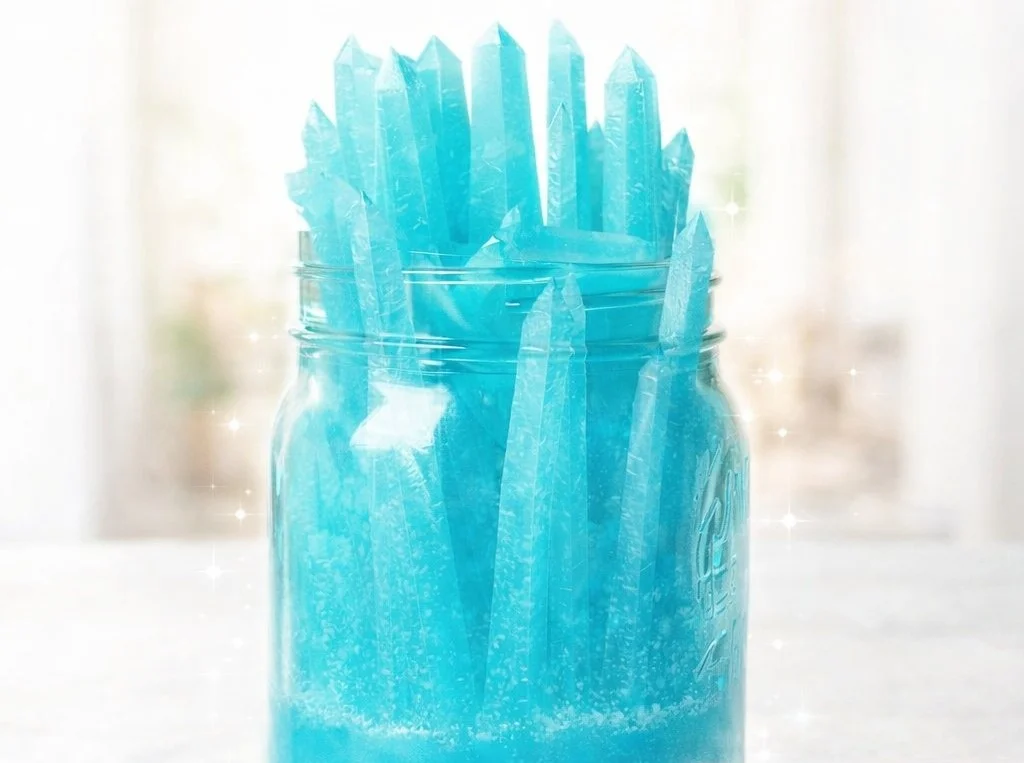
- Start by pouring a few tablespoons of baking soda into the clear glass jar. Let the kids do the pouring—they’ll love being part of the setup.
- Slowly add white vinegar to the jar containing the baking soda. You might want to let the kids do this, too, but remind them to go slowly to really see the magic happen.
- Observe the reaction as the mixture fizzes and bubbles. The excitement in the room will grow as they see the fizzy explosion that results from the combination of the two ingredients. Take a moment to enjoy the sight and the sounds.
- You can repeat the process or adjust the amounts of baking soda and vinegar for different reactions. Try using more baking soda or vinegar to see how it changes the reaction. This is a chance for some trial and error, and kids can learn from their experiments.
The Learning Behind This DIY
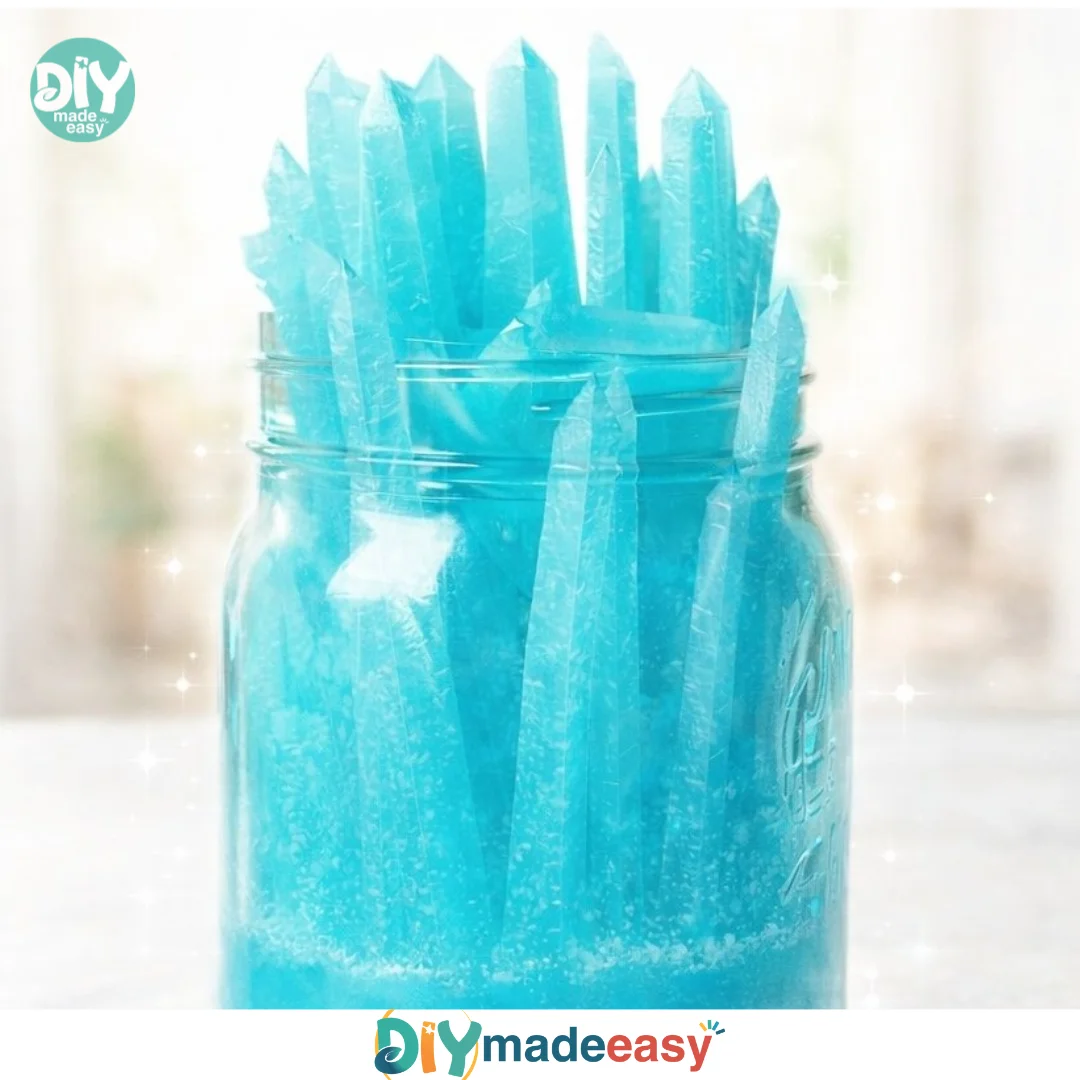
This experiment packs in plenty of valuable learning opportunities. It offers a simple introduction to chemistry concepts like reactions and gas production. When baking soda, a base, meets vinegar, an acid, they create carbon dioxide gas, which is what causes all that fizzing and bubbling. It’s a fun way to introduce kids to the scientific method. They’ll see firsthand how changing variables can change outcomes.
The activity also supports fine motor skills and coordination. Pouring, measuring, and observing keep little hands and minds busy, encouraging creativity and inquiry along the way. They might ask questions like, “What if we try a different jar?” or “What happens if we use a lot of vinegar?” Guiding these questions will foster a love for exploration and learning.
Troubleshooting Common Issues
If something doesn’t go as planned, don’t worry. It happens to all of us. One common issue is the reaction not being as bubbly as expected. This might happen if the ingredients aren’t fresh or if they’re added too quickly.
If you notice less fizz, try adjusting the amounts of each ingredient. Using more vinegar usually helps. On the other hand, if there’s too much overflow, you might want to use a larger jar next time or reduce the amounts a bit.
Keep in mind that spills can happen. Have some paper towels on hand to clean up any messes. It’s all part of the fun, though!
Easy Variations to Try
Mixing things up can add even more excitement. Here are a few simple ideas to take your experiment to the next level:
- Colorful Fizz: Add a few drops of food coloring to the vinegar before pouring it into the baking soda. This adds an eye-catching element as they watch colored bubbles cascade.
- Fizzing Colors Experiment: Try using different flavored drinks instead of water! You will see fizzy reactions with sweet, fruity colors. Check out this great idea here: Baking Soda and Vinegar “Fizzing Colors” Experiment.
- Layered Results: Add layers of baking soda and vinegar. A little baking soda, a layer of vinegar, and then more baking soda. Watch how it reacts differently!
- Kitchen Helpers: If older kids are around, you can encourage them to measure out the baking soda and vinegar too. This gives them ownership and helps practice math skills.
- Make Predictions: Before the reaction, have the kids predict what they think will happen and why. This encourages critical thinking!
Storing or Reusing This Project
After the fun is over, you might wonder what to do with the materials. For this experiment, most of the ingredients won’t be reusable after mixing. However, you can save your glass jar for another project.
Cleanup is quite straightforward—honestly, just rinse out the jar. You might have a little residue, but it shouldn’t take much effort to clean it up. If you do this experiment outside, you won’t have to worry about spills!
Consider setting a routine to save baking soda and vinegar experiments for busy afternoons or surprise days off school. You can reduce waste by reusing jars for storage in your pantry or arts and crafts later.
FAQs About Baking Soda and Vinegar Experiment
My kids are excited to try this, but I’m worried about the mess. How messy is this activity?
The mess is generally manageable, but you might have some overflow when the reaction happens. Do try to have paper towels nearby, and you’ll be surprised how quickly the cleanup goes. It’s practically part of the fun!
Is this safe for younger kids? What age is suitable?
Yes, this experiment is safe for young children but should be supervised, especially with little ones. It’s great for preschool age and up. Just remind them not to put anything in their mouths during the experiment.
Can I use substitutes for these ingredients?
If you don’t have white vinegar, other types might work, though flavors can vary. For baking soda, it’s best not to substitute unless you have something else with similar properties.
Will this always work perfectly?
Every experiment is different! Make sure your ingredients are fresh to ensure you see a strong reaction. Sometimes it can be a little less dramatic, which is all part of the learning process. This teaches kids about trial, error, and experimentation.
What can I do with the materials after?
While you can’t really reuse the mixture, aim to repurpose the jar. You can also revisit this project another day with either fresh ingredients or different variations!
Conclusion
Engaging in the Baking Soda and Vinegar Experiment offers a fantastic way to enjoy a moment of science together. You get to share laughter, discovery, and a little bit of chaos—all from items you already have in your pantry. Embrace every fizz and bubble, and let your kids ask questions that spark their curiosity. The simplicity of this experiment means you’ll feel confident doing it again whenever you need a straightforward activity.
For more fun ideas, check out these easy STEM activities or explore additional science experiments on our blog that keep everyday materials exciting!
PrintBaking Soda and Vinegar Experiment

Engage kids with an exciting and visual baking soda and vinegar experiment that demonstrates chemistry in action.
- Prep Time: 10 minutes
- Cook Time: 5 minutes
- Total Time: 15 minutes
- Yield: 1 experiment
- Category: Activity
- Method: Experimenting
- Cuisine: N/A
- Diet: N/A
Ingredients
- Baking soda
- White vinegar
- Clear glass jar
Instructions
- Start by pouring a few tablespoons of baking soda into the clear glass jar.
- Slowly add white vinegar to the jar containing the baking soda.
- Observe the reaction as the mixture fizzes and bubbles.
- Repeat the process or adjust the amounts of baking soda and vinegar for different reactions.
Notes
Ensure to supervise younger children during the experiment. Keep paper towels handy for any spills.
Nutrition
- Serving Size: 1 session
- Calories: 0
- Sugar: 0g
- Sodium: 0mg
- Fat: 0g
- Saturated Fat: 0g
- Unsaturated Fat: 0g
- Trans Fat: 0g
- Carbohydrates: 0g
- Fiber: 0g
- Protein: 0g
- Cholesterol: 0mg