

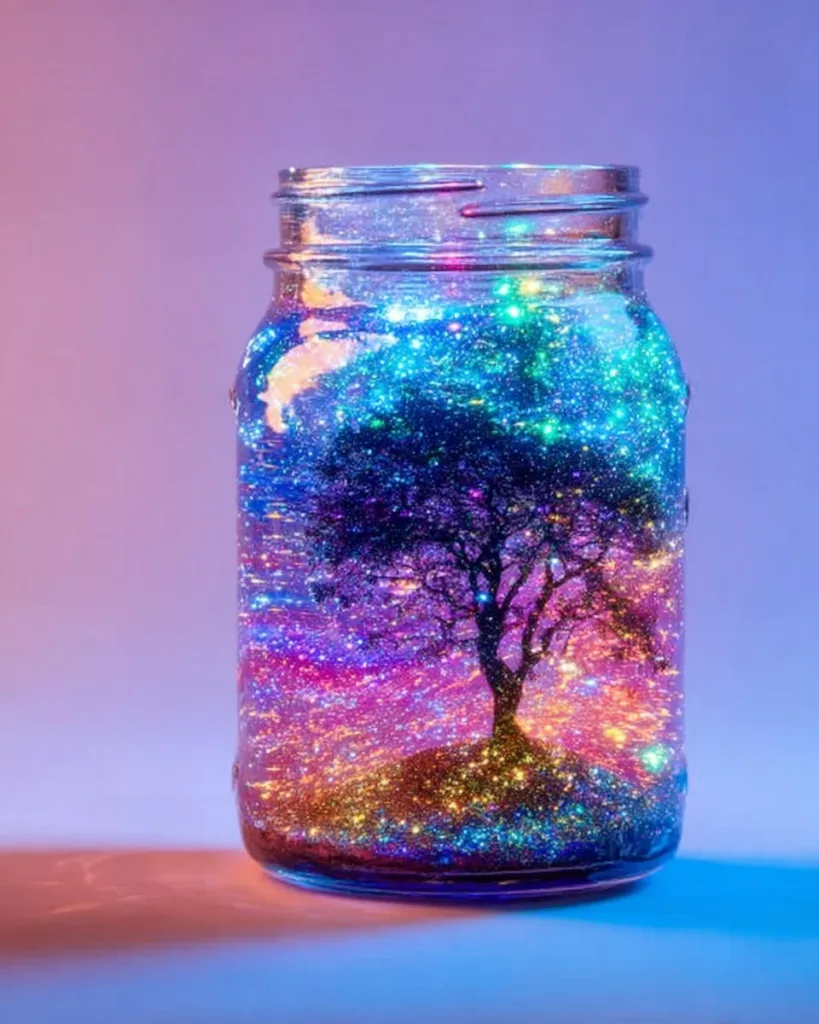
A busy afternoon, a little stack of school papers on the table, and three kids calling out that they want to make something right now. You pull open a kitchen drawer, grab a clean plastic bottle, and within minutes you have an activity that feels like a tiny bit of magic. Kids think this bottle has MAGIC inside… and the look on their faces proves it. This project works when you need something quick, low-mess, and oddly calming. If you want other fast wins for a rainy afternoon, check our crafts for kids fun projects page for more simple ideas.
Why This Kids think this bottle has MAGIC inside… Works So Well
This bottle project earns its magic by being simple and immediate. You do not need fancy tools or a long setup. Most homes already have a clear bottle, water, a little oil, and something sparkly. That makes it a low-prep activity you can start in ten minutes.
Kids connect quickly to visible change. They add color, watch sparkles swirl, and see oil and water separate in a way that looks mysterious. That clear separation and the slow movement of glitter give a pleasing, calm effect. It also works for short attention spans. Kids can make the bottle, watch it, take turns adding a tablet or shaking it, and then move on.
This project fits real-life schedules. You can scale it from a five-minute surprise to a longer, guided craft session. It cleans up easily when you keep spills minimal. If a parent has only one hand free, you can still assist the last seal and let kids do the rest. The materials are budget-friendly and reusable, so you get value without fuss.
A Quick Look Before You Begin
This is a short, hands-on activity meant for small groups or one-on-one time. Plan on about 10 to 20 minutes for making the bottle. If you add time for sealing and supervising younger children, allow a few extra minutes.
Setup is simple. Clear a small area of table, lay down a towel or tray for catching drips, and have a bowl of warm water nearby for quick cleanups. The mess level is low if you pour carefully and keep small bits in a dish. Adult help matters most at two points: when adding tiny bits that can be a choking hazard, and when sealing the bottle lid.
Kids from about 3 to 10 years enjoy this in different ways. Younger children love shaking and watching glitter fall. Older kids like experimenting with color and bubble timing. You will want to supervise at all times, especially with small pieces or tablets.
Materials You’ll Need
Clear plastic bottle or small glass bottle with lid – common household item
Warm water – essential
Vegetable oil or baby oil – common household item; oil floats on water
Liquid food coloring – easy color option
Glitter or sequins – optional; small pieces can be a choking risk for under 3
Optional: clear school glue or glitter glue – makes the movement slower and smoother
Optional: effervescent tablet such as Alka-Seltzer – optional; creates fizzing bubbles
Towel or tray for spills – helpful for cleanup
Funnel or measuring cup for pouring – easy substitute: a folded paper funnel
Strong glue or hot glue to seal the lid – safety note: adult use only
Materials note: If you do not want to use glitter, colored beads or sequins work, and plain water and oil alone still give a neat effect. If you prefer to avoid tablets, shaking the bottle or using clear glue will slow the fall of the glitter without fizz.
STEP-BY-STEP DIRECTIONS

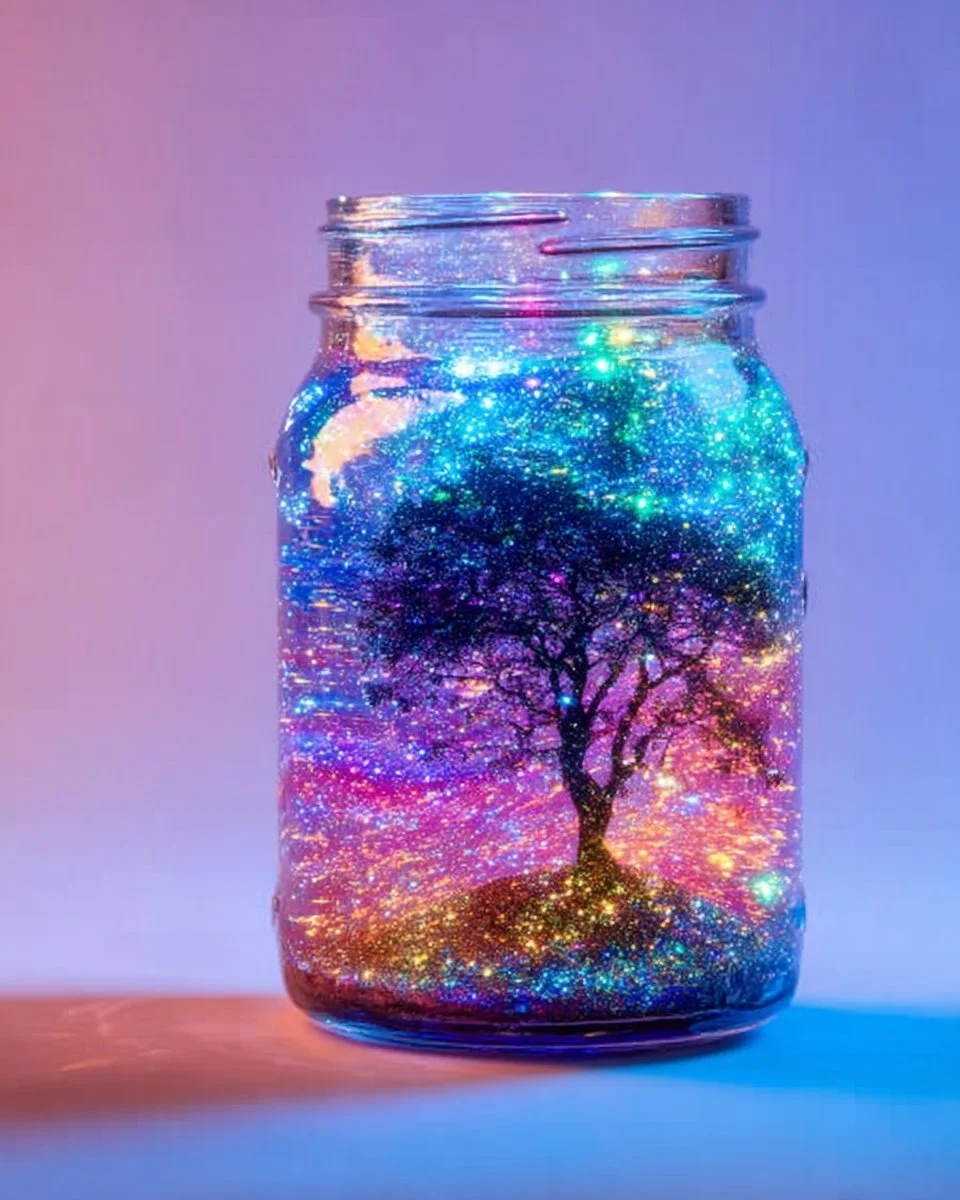
- Gather your materials and set up on a towel or tray.
Have the bottle, water, oil, coloring, glitter, and any optional items within reach.
Make sure the lid is clean and dry before you start. - Fill the bottle about one third with warm water.
Warm water mixes with food coloring more easily and reduces static on glitter.
Leave space for oil and movement at the top. - Add a few drops of food coloring to the water.
Watch the color spread and settle so kids see how one drop changes the whole bottle.
Stir gently if needed, using a spoon or by swishing the bottle. - Add glitter, sequins, or tiny beads into the colored water.
Drop in a small pinch so you can see how it falls and catches the light.
Encourage kids to watch how different bits sink or float. - Pour oil slowly into the bottle to fill the rest of the space.
Tilt the bottle and pour down the side to reduce mixing with the water.
You will see the oil float on top and form a clear layer above the colored water. - Finish with a small squeeze of clear glue if you want slower movement.
If you like a calm, slow-falling effect, add a teaspoon of clear glue before sealing.
This makes the glitter fall more like snow. - Try adding an effervescent tablet or seal the lid for play.
If you add a small tablet, watch bubbles lift glitter in a short show.
If you prefer a sealed bottle, wipe the rim and glue the lid shut with strong glue. - Supervise first few shakes and show how to tilt, not pour.
Demonstrate gentle rocking to let glitter swirl slowly, and firmer shakes for faster action.
Keep the bottle closed and out of reach of toddlers.
The Simple Science or Skills at Work
This project teaches simple cause and effect in a very visual way. Oil and water do not mix because the oil molecules do not bond with water molecules. That leads to two layers that stay distinct. Kids love noticing how the oil floats on water and how color moves through the water only.
Adding glitter or small bits adds sight and texture. When you shake the bottle, the glitter travels into the oil layer and through the water, then slowly settles back down. That motion helps build attention and gives a calm focus.
If you use a fizzy tablet, the tablet releases carbon dioxide gas when it hits water. Those bubbles grab glitter and lift it to the top. When the bubble pops, the glitter falls again. That rise-and-fall pattern explains how bubbles can move things without touching them.
This activity supports fine motor skills when kids scoop glitter or squeeze glue. It also encourages observation, describing what they see, and making little predictions like: Will this color mix with that one? Will the glitter float this time?
Troubleshooting Common Issues
If the oil mixes with the water and looks cloudy, you likely poured too fast. Tip: pour the oil down the side of the bottle or use a funnel to slow the flow. Warm water helps reduce static which can make glitter cling to the sides.
If glitter sticks to the bottle instead of falling, a tiny bit of warm water or a drop of dish soap on the inside and a good swirl can help. If you used glue, wait a few minutes before shaking to let it settle.
If the fizz stops quickly when you add a tablet, the pieces might be too small or the tablet stuck to the side. Try breaking the tablet into a few pieces instead of dropping a whole one. Also, make sure there is enough water around the tablet so it can fizz freely.
If kids want a stronger effect but you are out of tablets, try a small squirt of dish soap on the water surface. That can change how bubbles form and lift glitter. Use this trick sparingly and clean up after play.
Easy Variations to Try
Theme the bottle for seasons. Use blue coloring and silver glitter for a winter “snow globe” feel, or orange and gold sparkles for an autumn mood.
Make a glow bottle. Use glow-in-the-dark paint or put the finished bottle under a black light for an extra surprise.
Try a calm-down bottle for bedtime. Use clear glue, less glitter, and muted colors for long, slow movement that helps kids settle.
Each variation stays simple. Swap one element at a time so kids see how color, glue, or tablets change the show. Let older children plan a version themselves and write down what they expect to happen.
Storing or Reusing This Project
If you seal the lid well, these bottles last for weeks on a shelf. Keep them upright and away from heat, which can change the oil. Reusable materials like glitter and sequins do not need replacing unless you want a new look.
For cleanup, wipe spills immediately with a warm, soapy cloth. If oil gets on fabric, pre-treat with dish soap before washing. Recycle bottles or reuse them for another craft. If you used small beads and the kids are done, store the extras in a labeled container for future projects.
If the bottle leaks or the lid loosens over time, it probably needs a better seal. Apply a strong adhesive to the lid rim and clamp it until dry. Keep sealed bottles away from very young children who might try to open them.
FAQs About Kids think this bottle has MAGIC inside…
Will this make a huge mess?
I have one hand free and two kids all excited. It usually stays tidy if you set up on a towel and use small bowls for glitter and extras. Expect a few sparkles on the table; that happens. Keep a small vacuum or lint roller nearby and clean up right after the craft. If you worry about mess, try glitter-free options like small sequins or colored beads.
Is this safe for toddlers?
Small pieces like glitter and beads pose a choking risk for children under 3. Supervise closely and do the pouring steps for little ones. If you have a toddler, make a “watch only” rule where they shake a sealed bottle while an adult fills and seals it. I have done this many times and always use adult help for lid sealing and any small bits.
Can I swap ingredients if I do not have glue or Alka-Seltzer?
Yes. If you do not want to use glue, just add less glitter and use vegetable oil alone for a quicker show. Glue slows movement and makes a calmer effect. If you do not have tablets, gentle shaking makes a similar motion, and a drop of dish soap can change bubble behavior, though it works differently. Honestly, it will still look lovely even with just water, color, and oil.
How long will a finished bottle last and can kids keep playing with it?
A properly sealed bottle can last for weeks. Kids can take turns shaking it and putting it back on a shelf. If the bottle looks foggy or the layers start to blend, a quick wipe and leaving it upright for a day usually helps. Refill or remake if the kids want a fresh color or more glitter.
What if the colors mix weird or I see cloudy bits?
Cloudiness usually comes from pouring oil too fast or using cold water. Try warming the water and pouring the oil slowly down the side of the bottle. If glitter clings to the plastic, a tiny bit of warm water or a drop of dish soap inside helps release it so it falls again.
A Final Helpful Note
This project shines because it lets kids make something that looks special without a long prep. If you run into a hiccup, step back and try one small change – a slower pour, a touch more water, or a little glue – and you’ll probably get the effect you want. Be flexible about the end result; sometimes the best bottle surprises you with its own pattern. Most of all, enjoy the shared moment. The proud feeling when a child whispers that it looks like real magic is worth the few sparkles on the table.
Conclusion
If you want a toy-like addition to the shelf, look at the playful options in the Magic Mixies Pixlings Shimmerverse Series, Create … collection to pair with a sensory bottle. For a peek behind famous bottle tricks and how professionals make liquids behave, read How Jeanette Andrews Cracked the Impossible Bottle which offers a fascinating look at the craft of liquid illusions.
PrintMagic Sensory Bottle
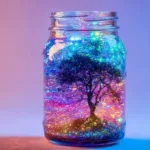
A fun and engaging craft project for kids that transforms a simple clear bottle into a captivating sensory experience.
- Prep Time: 10 minutes
- Cook Time: 0 minutes
- Total Time: 10 minutes
- Yield: 1 sensory bottle
- Category: Craft
- Method: Crafting
- Cuisine: N/A
- Diet: N/A
Ingredients
- Clear plastic bottle or small glass bottle with lid
- Warm water
- Vegetable oil or baby oil
- Liquid food coloring
- Glitter or sequins (optional)
- Clear school glue or glitter glue (optional)
- Effervescent tablet (optional)
- Towel or tray for spills
- Funnel or measuring cup for pouring
- Strong glue or hot glue to seal the lid
Instructions
- Gather your materials and set up on a towel or tray.
- Fill the bottle about one third with warm water.
- Add a few drops of food coloring to the water.
- Add glitter, sequins, or tiny beads into the colored water.
- Pour oil slowly into the bottle to fill the rest of the space.
- Finish with a small squeeze of clear glue if you want slower movement.
- Try adding an effervescent tablet or seal the lid for play.
- Supervise first few shakes and show how to tilt, not pour.
Notes
Small pieces like glitter and beads pose a choking risk for children under 3. Supervise closely during the activity.
Nutrition
- Serving Size: 1 bottle
- Calories: N/A
- Sugar: N/A
- Sodium: N/A
- Fat: N/A
- Saturated Fat: N/A
- Unsaturated Fat: N/A
- Trans Fat: N/A
- Carbohydrates: N/A
- Fiber: N/A
- Protein: N/A
- Cholesterol: N/A