

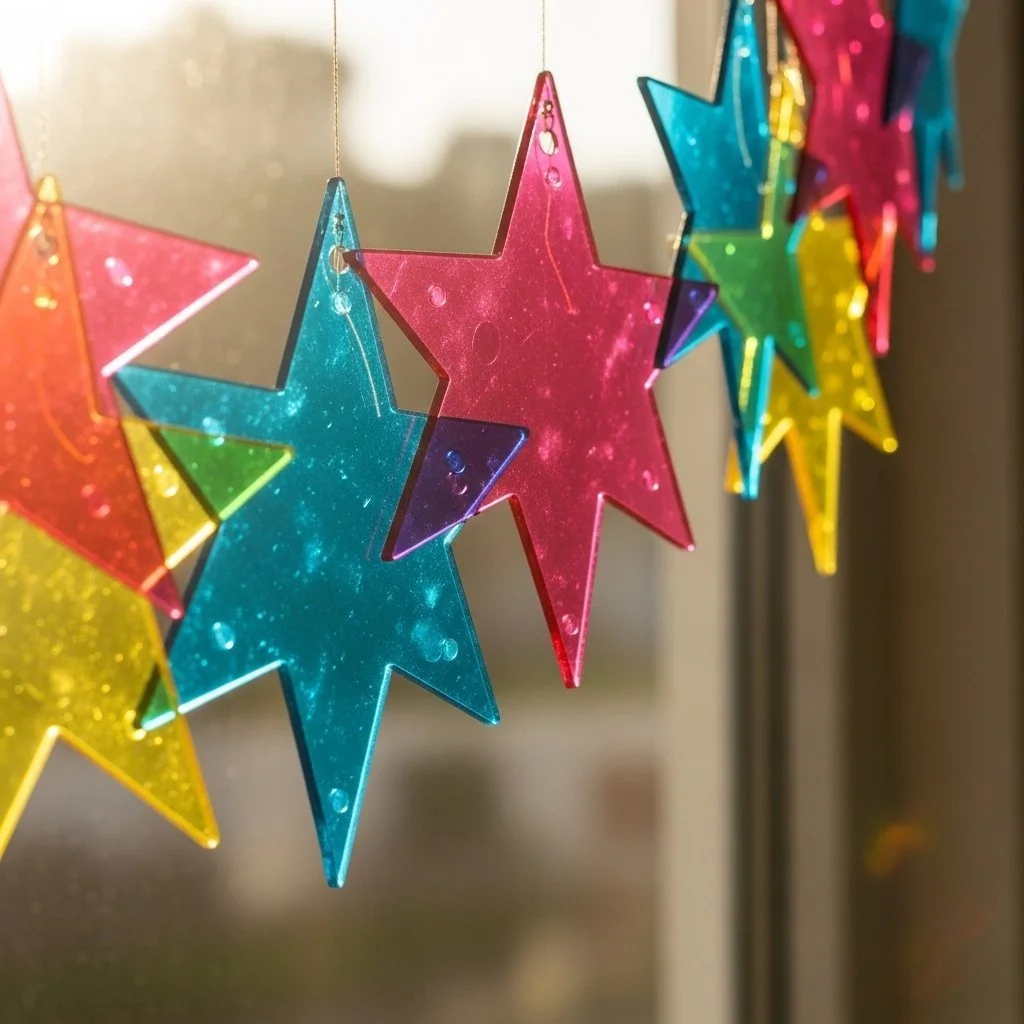
A late afternoon spills into evening. Kids call from the kitchen table, eyes wide, wanting something to make right now. You pull out a small stack of clear packaging from the recycling bin, a jar of old beads, and a handful of broken jar glass you kept because it looked like sea glass.
That moment becomes the start of The Quiet Joy of Making Sustainable Suncatchers That Glow in the Sunlight, an easy project that turns found bits into window magic. If you want a simple, calm craft that fits a busy day, this is it, and you can read a related clear-glue tip in our short guide to clear glue suncatcher techniques that walks through a few extra gluing tricks.
What Makes The Quiet Joy of Making Sustainable Suncatchers That Glow in the Sunlight Easy to Start

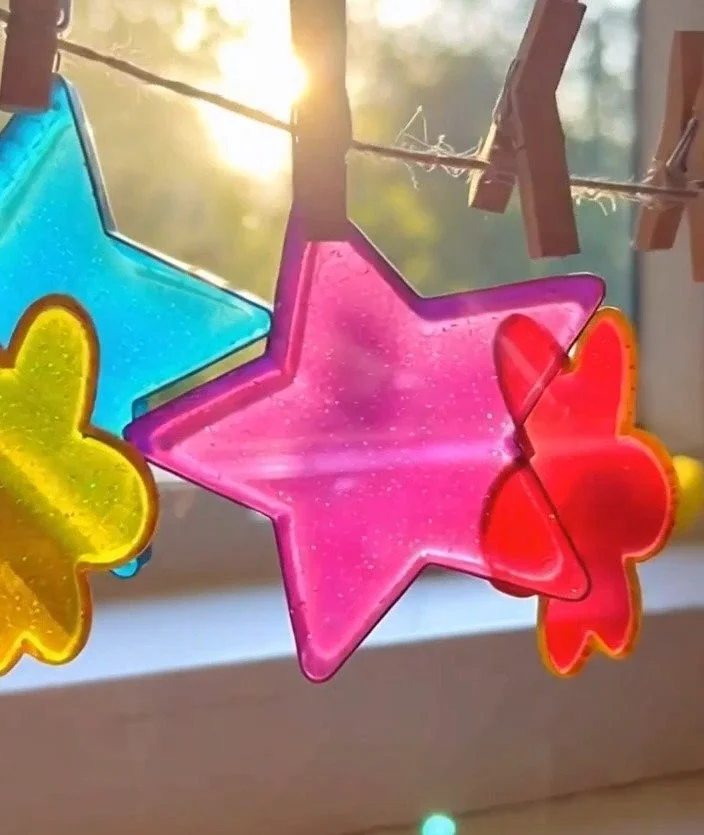
This project works well because it asks for tools you already have and time you can spare between dinner and bedtime. You do not need fancy tools. You reuse clear plastic, glass scraps, and simple string. The steps stay short and calm, so kids can help without long attention spans.
It stays low-prep. Sorting and cutting take the most time, and you can do those parts while a pot simmers or a TV show plays. The glue or thin resin layer does the sticky work for you, so placement is steady and predictable. You get real results the first time: bits that catch light and throw soft color across a wall.
This activity fits real life. You can pause between steps. A drying period gives you room to wash up, cook, or tuck kids into bed. It also teaches small hands careful cutting and safe handling of glass, all while making something beautiful to keep.
A Quick Look Before You Begin
Plan for about 45 minutes to an hour from start to hang time if you use glue and let things dry. If you choose resin, add extra curing time and a stable, level spot to set pieces.
Set up a small work area by a window or under a lamp. Use a tray or old placemat to catch scuffs, glue drops, and tiny glass dust. Keep a bowl for small bits and one for the ones you will actually use.
Mess stays low if you sort first, glue carefully, and wipe spills right away. An adult should handle any hot air shaping and the resin steps. Kids can cut plastic under supervision and place beads or buttons.
If you want to try more sun-catching ideas later, our page about creating glowing crystal trees shows a similar feel and some cross-over tips for texture and light placement at glow in the dark crystal tree.
Materials You’ll Need
Reclaimed clear plastic sheets or old transparent packaging
- common household item; try clamshell packaging or clear report covers
Small glass fragments from broken jars or sea glass
- handle with care; choose pieces without sharp points
A small amount of clear craft resin or homemade bioplastic solution
- optional resin speeds setting; homemade bioplastic is a low-cost, greener choice
Thin copper wire or natural twine
- copper wire is sturdy; twine feels rustic and child-friendly
Small beads, buttons, or found bits for texture (optional)
- great for interest; use lightweight items
Scissors and small craft shears
- scissor quality matters; small shears give better control
Fine grit sandpaper (220 to 400 grit)
- smooths edges gently; use light passes
A heat source (hair dryer or low heat gun)
- optional; adult use only for shaping plastic
Clear glue suitable for plastic and glass
- choose a plastic-friendly glue for best adhesion
Small hooks or suction cup hangers for windows
- suction cups work well for glass panes
Protective gloves
- use gloves for glass and resin handling; keep a box nearby
Step-by-Step Directions
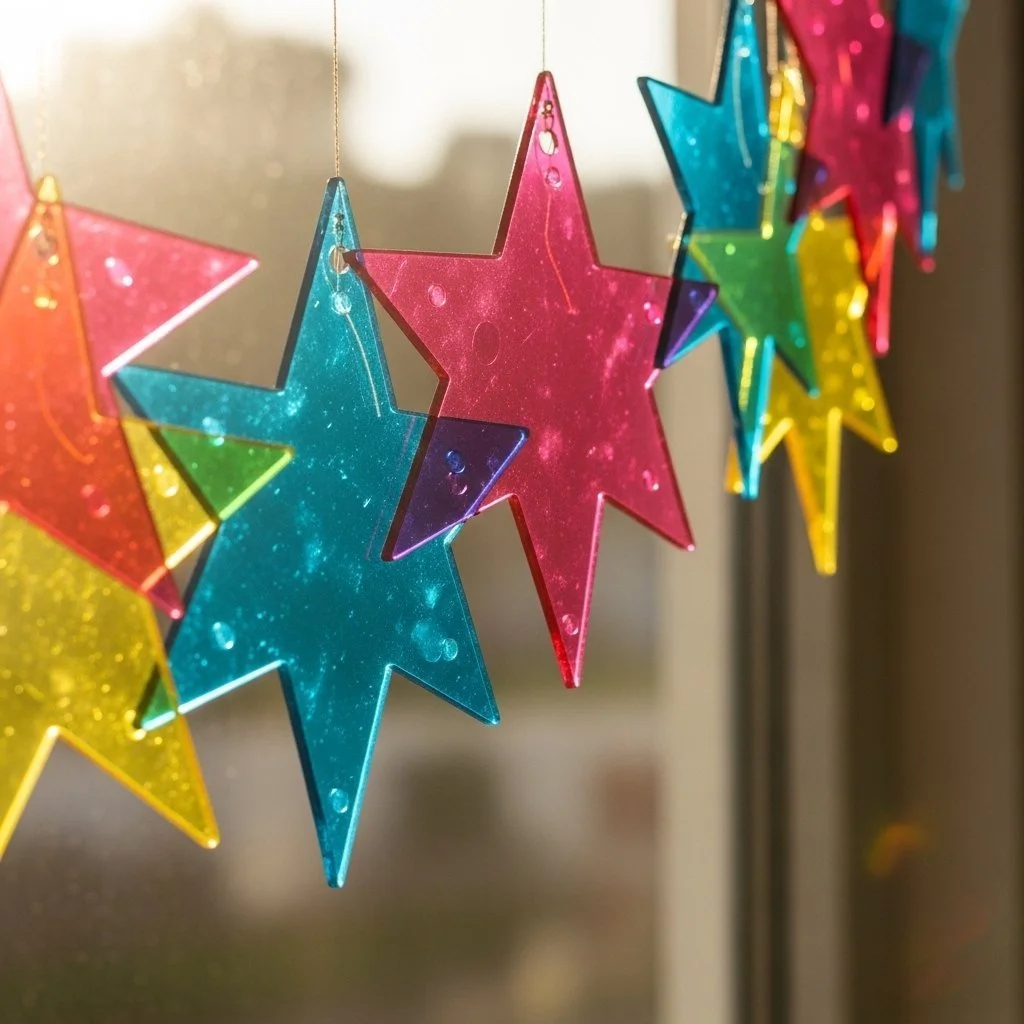
- Gather your pieces and sort them by size and translucency.
Lay out plastics, glass, beads, and buttons in bowls.
Group pieces from smallest to largest so you can pick what will layer well. - Cut the reclaimed plastic into simple shapes.
Trace rough circles, leaves, or teardrops with a marker.
Cut slowly with scissors or shears for neat edges. - Soften rough edges with fine grit sandpaper.
Sand light strokes along the cut edges until smooth.
Run a finger over the edge to feel for burrs and stop if you find any. - If using a heat source, shape thin plastic into gentle curves.
Warm the plastic briefly with a hair dryer or low heat gun while holding it gently.
Let it cool in the curved shape on a folded towel to hold form. - Arrange glass fragments and found bits on top of your plastic shapes.
Play with layout until the light catches as you like.
Notice layering: clear glass over thin plastic gives the best sparkle. - Attach pieces with clear glue or a thin layer of resin.
Use a small amount of glue and press pieces lightly in place.
If using resin, spread a thin, even layer and work in a well-ventilated spot. - Loop wire or tie twine through a top hole or twist it around the piece.
Make a small hole with scissors or punch before it dries.
Secure wire with a simple twist or knot, leaving a loop for hanging. - Let everything cure or dry fully in a level spot with good light.
Place pieces on a flat surface away from pets and kids while they set.
Check the glue for tackiness; give resin the full cure time on the package. - Attach a small hook or suction cup and hang in a sunny window.
Choose a pane that gets morning or afternoon light for steady sparkle.
Test the hold gently before leaving the suncatcher unattended. - Sit quietly and notice how the suncatcher changes with the day.
Watch color shift and shadow play as the sun moves.
Share the moment with kids and note a favorite glint or reflection.
The Simple Science or Skills at Work
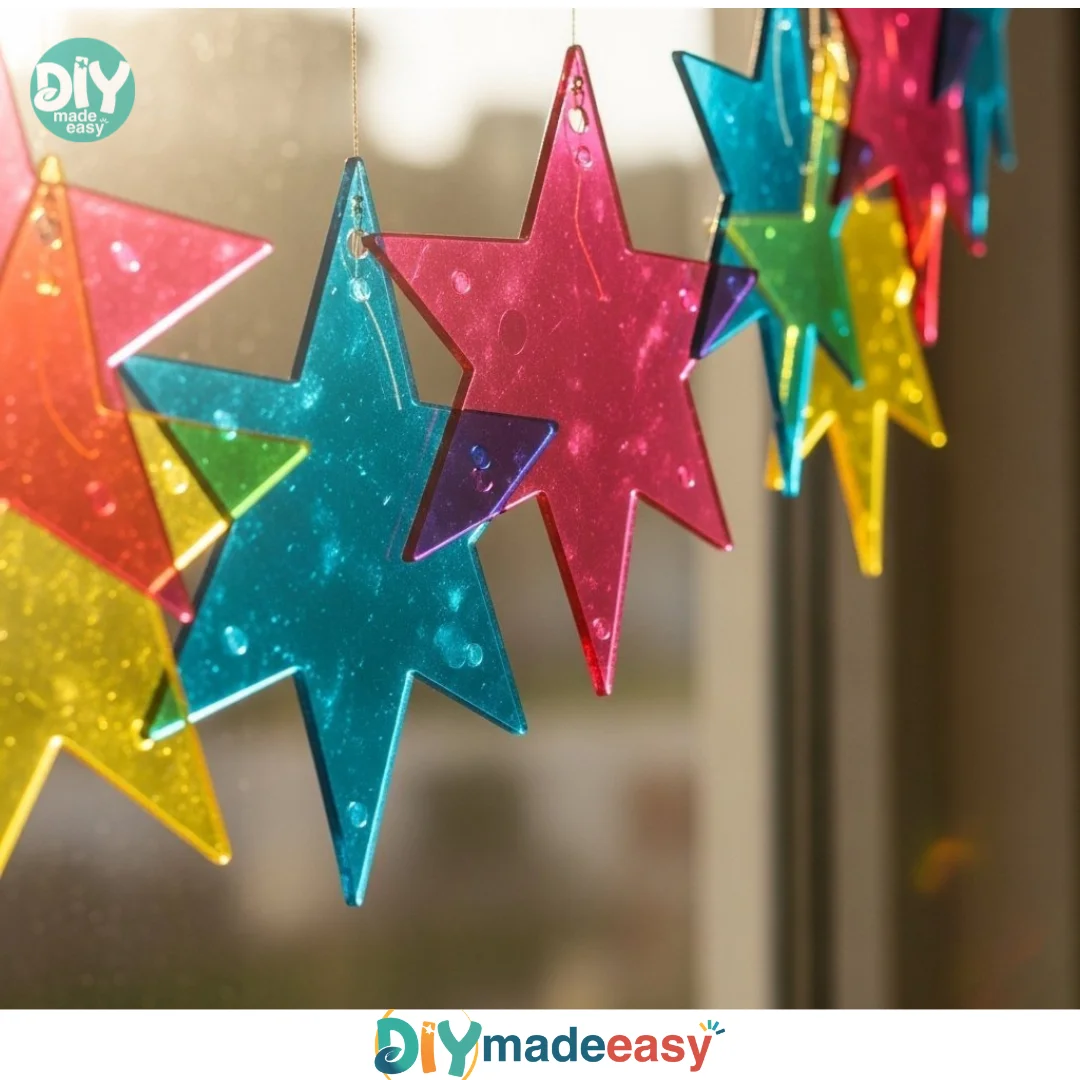
This craft combines small physics and hands-on skills. Light travels through clear plastic and glass differently, so layering thin plastic with glass makes tiny rainbows or soft color blooms. That difference in how light moves is why pieces glow and cast subtle patterns.
Kids practice fine motor skills while trimming plastic and picking up tiny beads. They learn hand-eye control when pressing bits into glue and patience as they wait for curing. When an adult heats plastic gently, children see cause and effect: warmth softens plastic and lets it bend.
There is a little chemistry if you use resin. Resin cures by a simple polymer reaction that turns a liquid into a clear solid. You do not need to know the details to use it safely. Wear gloves, work in a ventilated spot, and follow the product directions.
If you ever try a similar approach with shells or crystals, the small, repetitive actions build quiet focus. For more simple glow-based crafts that build the same skills, try our glow-in-the-dark moon rocks post at glow in the dark moon rocks recipe.
Troubleshooting Common Issues
If Something Doesn’t Go as Planned
Glue does not stick to the plastic.
This happens when the plastic is very smooth or oily. Lightly sand the area and wipe with a clean cloth before gluing. Use a glue that says it bonds plastic and glass.
Glass looks dull or foggy after glue.
Fogging can come from trapped air or too-thick glue. Try thinner glue coverage and press pieces carefully to push out air. If fog persists, a tiny bit of clear resin over the top often clears the look.
Resin bubbles form during curing.
Bubbles come from trapped air or pouring too fast. Warm resin gently or blow across the surface with a straw to pop small bubbles. Mix slowly to reduce foam.
Edges feel sharp after sanding.
Sand more using a higher grit or wrap sandpaper around a dowel for smooth, rounded edges. Test by running a finger lightly; stop when it feels smooth.
Twine or wire slips out of the hole.
Make the hole slightly larger and knot twine securely, then glue the knot spot for extra hold. For wire, wrap it twice and tuck the end inward so it will not snag.
Easy Variations to Try
Simple Ways to Change It Up
Add a second clear layer.
Sand a second cut plastic shape and glue it on as a backing to hide glue lines. The double layer adds depth and reduces the chance of sharp edges showing.
Make a mini mobile.
String three small suncatchers on varying lengths of twine and attach them to a hoop. Hang the hoop near a window for small moving light patches.
Use a theme for seasons.
Select beads and glass colors for autumn golds, winter blues, or spring pastels. Small season swaps make the craft feel new without changing steps.
Try different hanging hardware for variety.
Glass hooks, small chains, or wooden dowels change how the piece moves. Use copper wire for a modern look or rough twine for a beachy feel.
Keep ideas optional and playful. Let kids pick a variation and own the choice. If a glitter-heavy look seems messy, choose small buttons or beads instead.
Storing or Reusing This Project
What to Do With It After
Store spare materials in zip bags or small jars.
Sort plastic shapes, beads, and small bits separately so you can return quickly to the project. Label jars if you keep a lot.
Reuse pieces from an old suncatcher.
If a piece breaks, remove the beads and glass and use the intact plastic shapes for new ones. Carefully clean and dry pieces before reusing.
Clean suncatchers gently.
Use a soft cloth and mild soap for a gentle wipe. Avoid strong solvents that can cloud plastic. For resin areas, use the manufacturer’s cleaning guidance.
Reduce waste by salvaging.
Keep a small box for glass and plastics that might fit future crafts. Even the tiniest bits can add sparkle later. If you outgrow the craft, donate clean, safe remnants to a local school or craft group.
FAQs About The Quiet Joy of Making Sustainable Suncatchers That Glow in the Sunlight
Is this too messy for little kids?
I have done this with preschoolers and older kids. The sorting and gluing steps are child-friendly if you set a tray and give each child a small pile. Reserve sanding, hot-air shaping, and resin work for adults. Keep wet wipes and a damp cloth handy for quick cleanup.
How old should a child be to help safely?
Children around five and up can help cut soft plastic and place beads. For anything involving glass, knives, hot air, or resin, stay close and handle those parts yourself. Kids learn more when they help with the safe, calm parts and watch the trickier steps done by an adult.
Can I skip resin or switch ingredients?
Yes. You can use clear glue that bonds plastic and glass and still get a sturdy, pretty suncatcher. Resin gives a smoother, glass-like finish, but it needs a ventilated area and gloves. If you choose not to use resin, allow extra drying time for glue and press pieces firmly.
I am worried the glass will be sharp. What do I do?
Pick pieces that have worn edges if you can, like beach glass. Sand the plastic and any rough glass edges gently. Always wear gloves when handling broken glass and consider wrapping very small shards in tape before use if needed.
How long do they last in the window?
A well-made suncatcher can last for years if you avoid rough handling and keep it out of extreme heat. If the plastic yellows over time, reuse the glass and beads on a new backing. That gives you the joy of making again without waste.
A Final Helpful Note
Ending This Project on a Good Note
This project is forgiving and gentle. Expect small imperfections and celebrate the way each piece catches light differently. If a suncatcher does not turn out quite like you imagined, take the bits apart after drying and try a fresh layout. The slow, quiet moments of arranging and waiting are as much the point as the finished piece.
Trust your instincts and follow the safety notes. Give kids meaningful parts to do. Keep the adult steps clear and simple. You will often find that the surprise shines in the small shifts of light, not in perfection.
Conclusion
If you want to relax for a night and enjoy sunlight play, a short stay at a cozy retreat can provide fresh ideas and calm inspiration, much like a creative weekend away at The Wilde Resort and Spa where quiet moments and natural light lead to small projects and big ideas. For more window-focused craft ideas and kid-friendly sun catcher patterns, check out this helpful roundup of projects at Brighten Windows: Easy Sun Catcher Crafts for Kids.
PrintSustainable Suncatchers That Glow in the Sunlight

A calm and easy project that transforms found materials into beautiful suncatchers that catch and play with sunlight.
- Prep Time: 15 minutes
- Cook Time: 30 minutes
- Total Time: 45 minutes
- Yield: 4 suncatchers
- Category: Craft
- Method: Crafting
- Cuisine: N/A
- Diet: N/A
Ingredients
- Reclaimed clear plastic sheets or old transparent packaging
- Small glass fragments from broken jars or sea glass
- A small amount of clear craft resin or homemade bioplastic solution (optional)
- Thin copper wire or natural twine
- Small beads, buttons, or found bits for texture (optional)
- Scissors and small craft shears
- Fine grit sandpaper (220 to 400 grit)
- A heat source (hair dryer or low heat gun, adult use only)
- Clear glue suitable for plastic and glass
- Small hooks or suction cup hangers for windows
- Protective gloves
Instructions
- Gather your pieces and sort them by size and translucency.
- Cut the reclaimed plastic into simple shapes.
- Soften rough edges with fine grit sandpaper.
- If using a heat source, shape thin plastic into gentle curves.
- Arrange glass fragments and found bits on top of your plastic shapes.
- Attach pieces with clear glue or a thin layer of resin.
- Loop wire or tie twine through a top hole or twist it around the piece.
- Let everything cure or dry fully in a level spot with good light.
- Attach a small hook or suction cup and hang in a sunny window.
- Sit quietly and notice how the suncatcher changes with the day.
Notes
This project is forgiving and encourages creativity. Expect small imperfections and celebrate the unique light each piece catches.
Nutrition
- Serving Size: 1 suncatcher
- Calories: 0
- Sugar: 0g
- Sodium: 0mg
- Fat: 0g
- Saturated Fat: 0g
- Unsaturated Fat: 0g
- Trans Fat: 0g
- Carbohydrates: 0g
- Fiber: 0g
- Protein: 0g
- Cholesterol: 0mg