
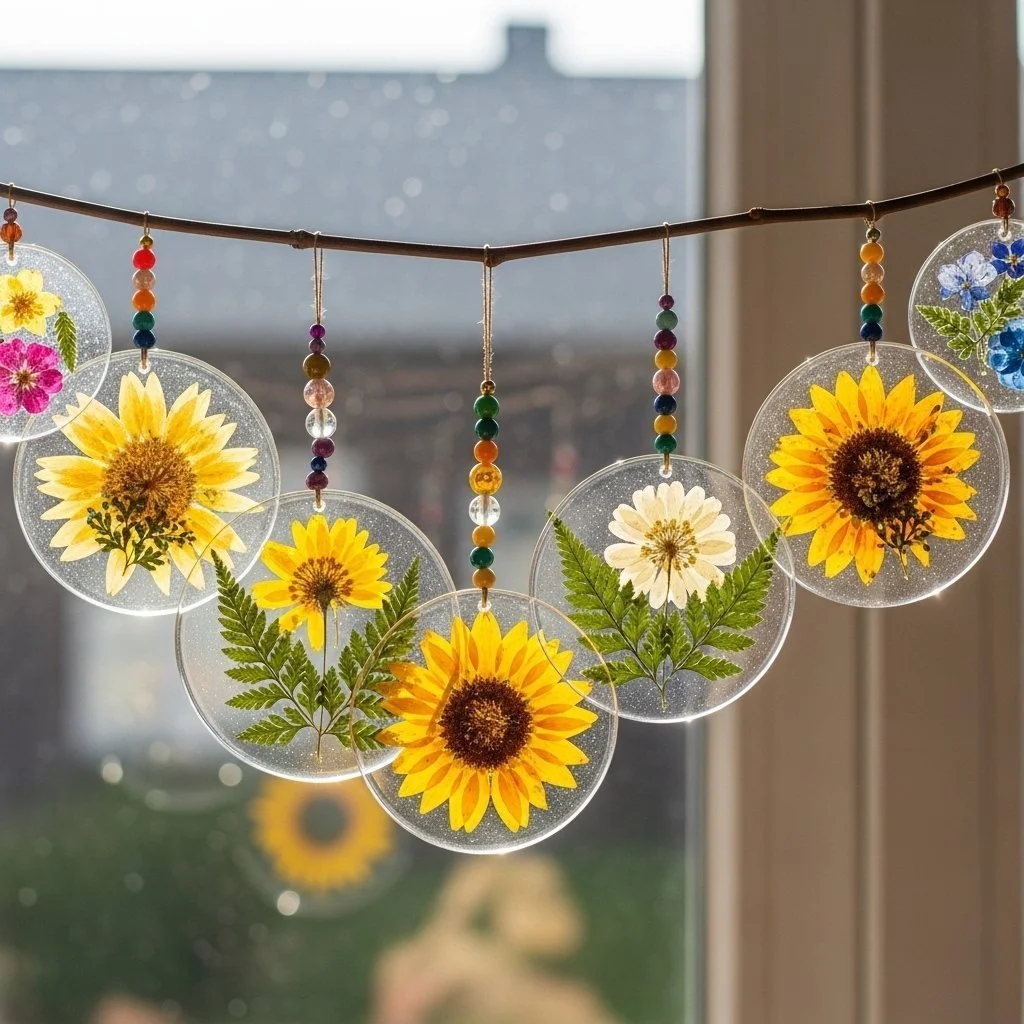
A rainy late afternoon, kids buzzing with energy, and a small kitchen counter that needs to become a creative station now. That exact moment sets the stage for Simple Cornstarch Bioplastic DIY. It takes just a few pantry staples, a little stirring, and a short drying time to turn simple ingredients into small keepsakes or pretend play pieces.
I often keep this recipe in my back pocket for those “we need an activity now” moments, and it pairs neatly with other low-prep experiments like my favorite cornstarch bubble dough for sensory play, which you can read about for more hands-on ideas at cornstarch bubble dough. You will see it works on busy days, feels doable for mixed ages, and gives real, usable results without a long list of supplies.
Why You’ll Love Making Simple Cornstarch Bioplastic DIY
This project wins for how little it asks of you and your supplies. You only need one small saucepan and a few common kitchen items, which lowers the bar to start quickly.
It fits into short pockets of time. The cooking and shaping take about 15 to 30 minutes, and drying usually happens while you do other things.
The recipe gives consistent, small batches, so you can try a few colors or shapes without wasting materials. That makes it friendly for families who like to experiment on a weekday afternoon.
The steps are hands-on but gentle. Kids can watch the thickening, feel the dough cool, and press cutters. Adults stay nearby for safe heating and to keep the rhythm steady.
A Quick Look Before You Begin
This section is a calm map of what to expect. The whole session runs in three phases: mix and cook, cool and shape, dry and finish.
Setup takes just a few minutes. Lay down parchment, pull out cookie cutters, and clear a small tray for drying.
Mess stays low if you keep a towel and a small dish of water close by. Cornstarch cleans up with a damp cloth; glycerin can feel slippery, so rinse hands as needed.
Adult help matters mainly during heating. You can hand off shaping and finishing to older kids once the dough cools enough to touch.
Materials You’ll Need
2 tablespoons cornstarch
3 tablespoons water
1 teaspoon vinegar
1 teaspoon vegetable glycerin (optional)
Parchment paper or silicone baking mat for drying
Cookie cutters or small rolling pin for shaping (optional)
Natural dyes or food coloring (optional)
Fine sandpaper or small file for finishing edges (optional)
Airtight container for storage
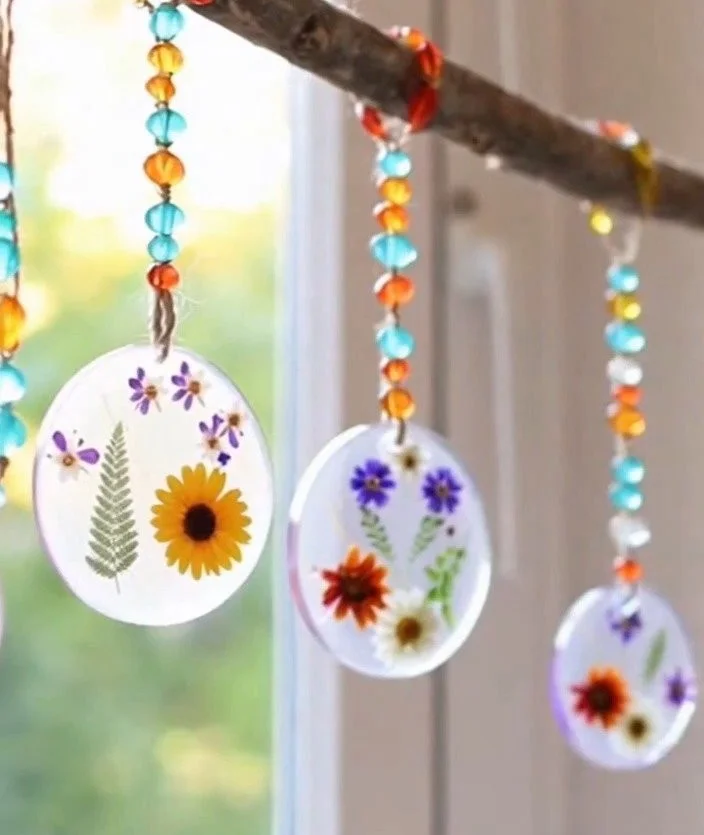
You can keep supplies simple and still get good results; if you want ideas for color or suncatcher-style pieces, try inspiration from this blue crayon approach to suncatchers at blue crayon suncatchers. Notes: glycerin helps the material stay a bit more flexible but it is optional. Parchment works fine and keeps cleanup easy. Natural dyes give subtle tones and food coloring gives brighter results.
STEP-BY-STEP DIRECTIONS
- Gather your materials and clear a small workspace.
Lay out the cornstarch, water, vinegar, and glycerin if you use it.
Make sure parchment or a baking mat sits ready at one side. - Keep a towel nearby and a shallow dish of cool water for your hands.
This makes cleanup fast and keeps sticky fingers happy.
It also helps if a small spill happens while stirring. - Measure cornstarch into your saucepan.
Use exactly 2 tablespoons so the mix stays balanced.
Tip the cornstarch in slowly to avoid a cloud of dust. - Add water and whisk until smooth and lukewarm.
Pour in 3 tablespoons of water and whisk thoroughly.
Stop when the mix looks even and feels lukewarm to the finger. - Stir in vinegar and glycerin.
Add 1 teaspoon vinegar and 1 teaspoon glycerin if using it.
Whisk until the shine of the liquid looks uniform. - Heat gently over low to medium heat, stirring steadily until thickened to a glossy paste.
Keep the heat low enough that bubbles do not form or the mix does not scorch.
Stir constantly; you will see the mix go from milky to shiny and thick. - Remove from heat when it forms a dough-like mass and let cool.
When the paste pulls away from the pan and clumps, take it off the heat.
Transfer to a small plate and allow it to cool until safe to touch. - Shape or roll the dough as desired and place on parchment to dry.
Work quickly while the dough is warm but not hot; it shapes best then.
Use cookie cutters or a small rolling pin to make shapes and lay them flat to dry. - Finish by sanding or trimming edges gently once dry.
When the pieces have hardened, use fine sandpaper or a small file to smooth rough spots.
Work slowly; light strokes remove imperfections without breaking the piece. - Store in an airtight container.
Keep completed pieces in a container away from humidity.
If any dough remains, you can keep it sealed briefly, though it dries out over time.
The Learning Behind This DIY
This project mixes a few simple ideas that kids and adults can notice and talk about. The cooking step shows how heat changes a liquid into a thicker paste. That change happens because the cornstarch swells and bonds with water and heat.
Fine motor practice comes from rolling, pressing cutters, and sanding edges. Young hands improve coordination while older kids learn patience as pieces dry and are finished.
You also get cause and effect in small doses. Stir too fast and the pan may get tiny lumps. Heat too high and the mix can brown. These are simple things to notice and fix together, and they make good teaching moments without stress.
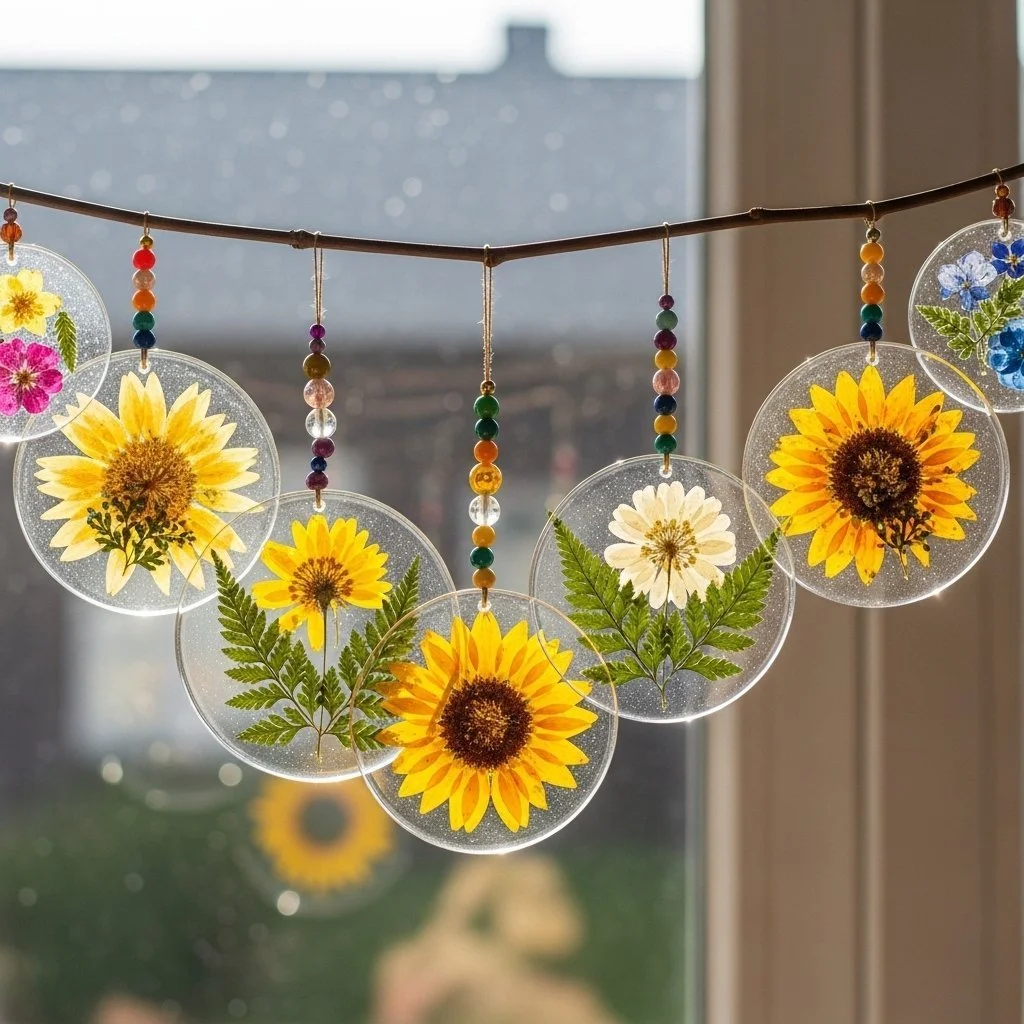
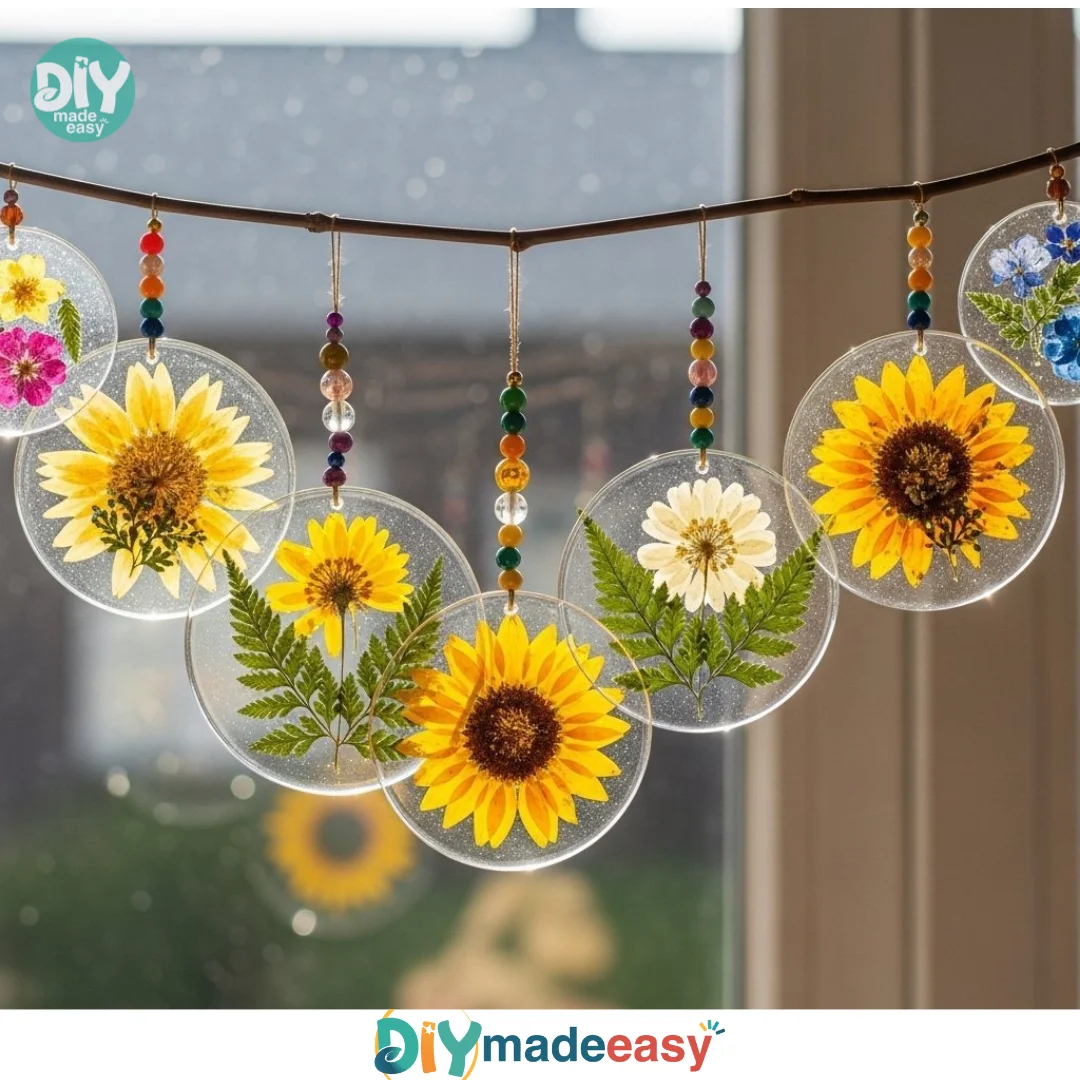
If you want to connect this activity to a longer project, try a related approach that uses bioplastic techniques for colorful pieces like the ones in these bioplastic suncatchers at bioplastic suncatchers. That link shows how similar mixtures can become windows of color and light and gives a child-friendly example of what to aim for.
Troubleshooting Common Issues
If your mix develops lumps, you most likely added cornstarch unevenly or did not whisk well before heating. Pull it back off heat and work the mixture with a spoon; small lumps usually dissolve as you stir and heat gently.
If the dough stays sticky after cooling, it may mean it needs a touch more cooking time. Return to low heat, stir until it forms a clearer dough, then cool. Don’t overcook; that leads to a dry, crumbly texture.
If the pieces crack while drying, they probably dried too fast or were rolled too thin. Next time, make pieces a bit thicker and dry them on a flat surface away from direct heat or drafts.
If colors look pale, add color in small drops while the mix is warm and stir until even. Remember that some natural dyes fade as they dry; food coloring gives bolder results.
Easy Variations to Try
- Color experiments
Try mixing very small amounts of food coloring for bright hues or mash mild spices like turmeric for soft yellows.
Keep it small and test a dot first so the color spreads evenly. - Texture play
Press small stamps or a fork into the surface before drying to make patterns.
You can embed tiny leaves or paper shapes while the dough is still warm for a nature look. - Size swaps
Make jewelry-size pieces for necklaces or larger flat shapes as pretend coins.
Adjust cookie cutter sizes to suit age and purpose. - Layering
Make thinner clear pieces and press them onto slightly thicker bases to create two-layer effects.
Work quickly so the layers bond while still a bit tacky. - Flexible tags
Skip sanding and keep a little glycerin for bendable, soft pieces that can become plant tags or pretend-play tools.
Storing or Reusing This Project
Keep finished pieces in an airtight container in a dry spot.
Humidity softens them; a sealed jar helps them retain shape.
Leftover dough does not store well indefinitely. If sealed tightly and kept cool, you can keep unused dough for a day or two, but it will slowly dry and become harder to shape.
For cleanup, wipe pans with a warm, damp cloth first, then wash with soapy water. Cornstarch washes away easily but may form a thin film; a gentle scrub solves this.
If you plan to reuse tools for food later, wash utensils thoroughly after the craft steps. Consider keeping a small set of craft-only spoons and pans to avoid mixing craft and food tools in busy homes.
FAQs About Simple Cornstarch Bioplastic DIY
Is this safe for young children to help with?
Yes, it is safe when an adult handles the heating steps. Let children do the measuring, stirring before heat, and shaping after the dough cools. Watch for small parts if kids like to make tiny charms. If you ever feel unsure, guide the steps and keep scissors and files out of reach for the youngest helpers.
How messy will this be and how do I keep cleanup quick?
This project stays fairly tidy if you lay down parchment and keep a towel nearby. Cornstarch dust can float if you pour too fast, so spoon it into the pan. Wipe spills with a damp cloth quickly; once it dries, it brushes off more easily. For hands, a shallow dish of water makes it simple to rinse sticky fingers between steps.
Can I skip the glycerin or use something else?
You can skip glycerin if you do not have it; the dough will still form but may be a bit less flexible. Glycerin helps the finished items feel slightly softer and less brittle. Do not substitute with ingredients not listed; the balance of cornstarch, water, and vinegar matters for the texture and drying.
How long does drying take and will the pieces be strong?
Drying time varies with thickness and humidity. Thin pieces may take 24 hours, thicker ones two to three days. They become firm but not glass-like—treat them gently. If you need stronger pieces, make them slightly thicker and allow full drying before sanding or playing.
What if my pieces stick to the parchment or tear when I lift them?
If they stick, they probably dried too thin or the surface underneath had a slight texture. Use a flat spatula to lift gently and work from one edge. Next time, try silicone mats or a slightly greased patch of parchment for easier release.
A Final Helpful Note
This Simple Cornstarch Bioplastic DIY teaches small, useful lessons: a little heat changes texture, a small batch keeps things manageable, and patient drying pays off. Keep expectations relaxed. The aim is a fun process and hands-on learning, not perfect factory-made results.
If a piece breaks, turn it into something else. Small bits glue gently with a dab of white glue to make mosaics, or grind broken pieces into a dusty mix that can add texture to a craft collage. Enjoy the process and the small wins.
Conclusion
If you want more recipes and a broader look at bioplastic techniques, the Bioplastic Cook Book collects many approaches and is a useful reference for creativity. For step-by-step community-tested variations and photos, this hands-on guide on Instructables titled DIY Bio-plastics : 6 Steps offers helpful perspectives and troubleshooting ideas.
PrintSimple Cornstarch Bioplastic DIY
A simple and fun DIY project to create bioplastic from cornstarch, perfect for kids to enjoy hands-on learning.
- Prep Time: 5 minutes
- Cook Time: 15 minutes
- Total Time: 30 minutes
- Yield: Approximately 10 small pieces 1x
- Category: Crafts
- Method: Stirring and Shaping
- Cuisine: Not Applicable
- Diet: N/A
Ingredients
- 2 tablespoons cornstarch
- 3 tablespoons water
- 1 teaspoon vinegar
- 1 teaspoon vegetable glycerin (optional)
- Parchment paper or silicone baking mat for drying
- Cookie cutters or small rolling pin for shaping (optional)
- Natural dyes or food coloring (optional)
- Fine sandpaper or small file for finishing edges (optional)
- Airtight container for storage
Instructions
- Gather your materials and clear a small workspace.
- Lay out the cornstarch, water, vinegar, and glycerin if using.
- Make sure parchment or a baking mat sits ready at one side.
- Keep a towel nearby and a shallow dish of cool water for your hands.
- Measure cornstarch into your saucepan.
- Add water and whisk until smooth and lukewarm.
- Stir in vinegar and glycerin.
- Heat gently over low to medium heat, stirring steadily until thickened to a glossy paste.
- Remove from heat when it forms a dough-like mass and let cool.
- Shape or roll the dough as desired and place on parchment to dry.
- Finish by sanding or trimming edges gently once dry.
- Store in an airtight container.
Notes
Glycerin helps the material stay a bit more flexible but is optional. Natural dyes give subtle tones while food coloring results in brighter colors.
Nutrition
- Serving Size: 1 piece
- Calories: Unknown
- Sugar: 0g
- Sodium: 0mg
- Fat: 0g
- Saturated Fat: 0g
- Unsaturated Fat: 0g
- Trans Fat: 0g
- Carbohydrates: 7g
- Fiber: 0g
- Protein: 0g
- Cholesterol: 0mg