
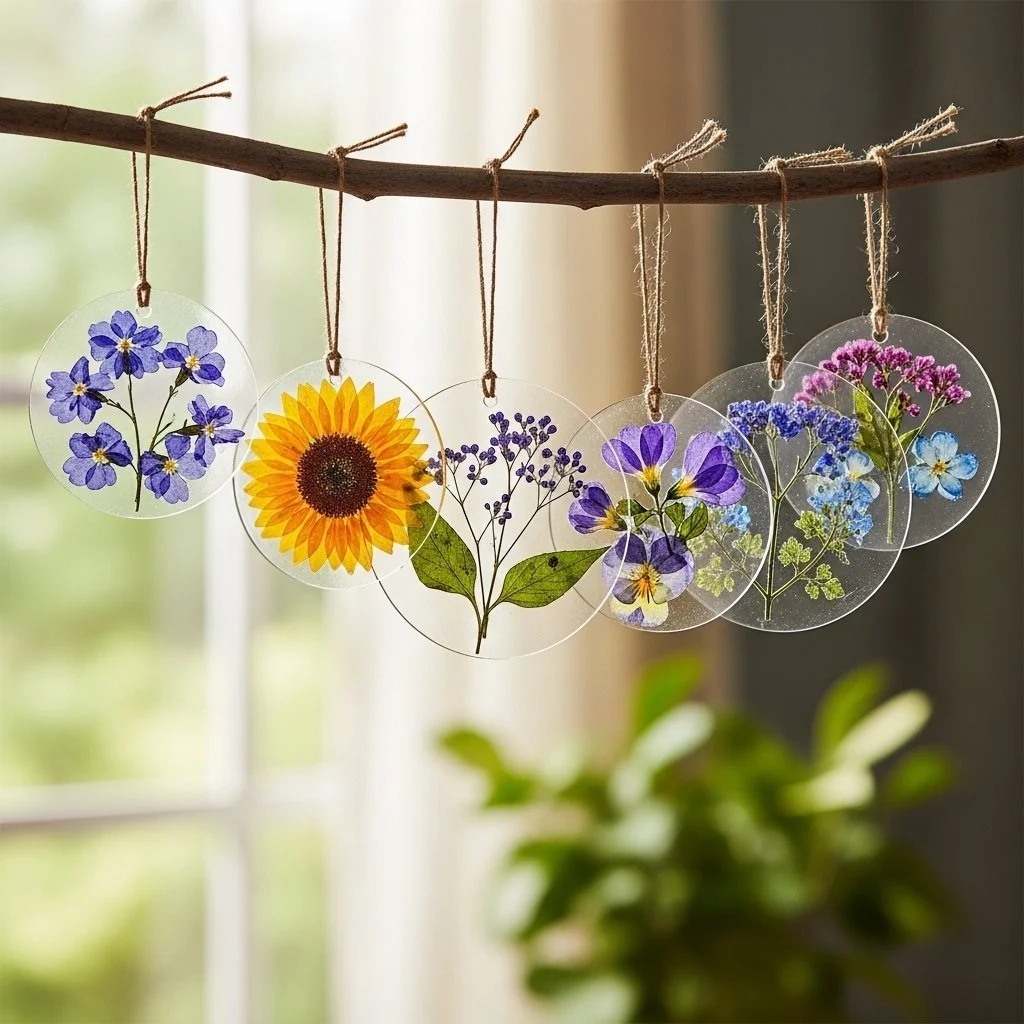
A busy afternoon, a small pile of pressed flowers on the table, and kids asking for something crafty now. That is often how Cornstarch Bioplastic for Pressed Flowers starts at my house. I set out a quiet surface, pull cornstarch and a few pantry staples, and the project comes together in a way that feels calm and doable.
This project fits those spare moments when you want a simple, satisfying craft that uses things you already have. It pairs easy kitchen chemistry with creative arranging, and you can involve kids without a long setup. If you like short, reliable activities for a rainy afternoon, you will find this one rewarding and quick. For more kid-friendly projects that follow the same easy approach, check out our round up of fun projects for kids.
Why You’ll Love Making Cornstarch Bioplastic for Pressed Flowers
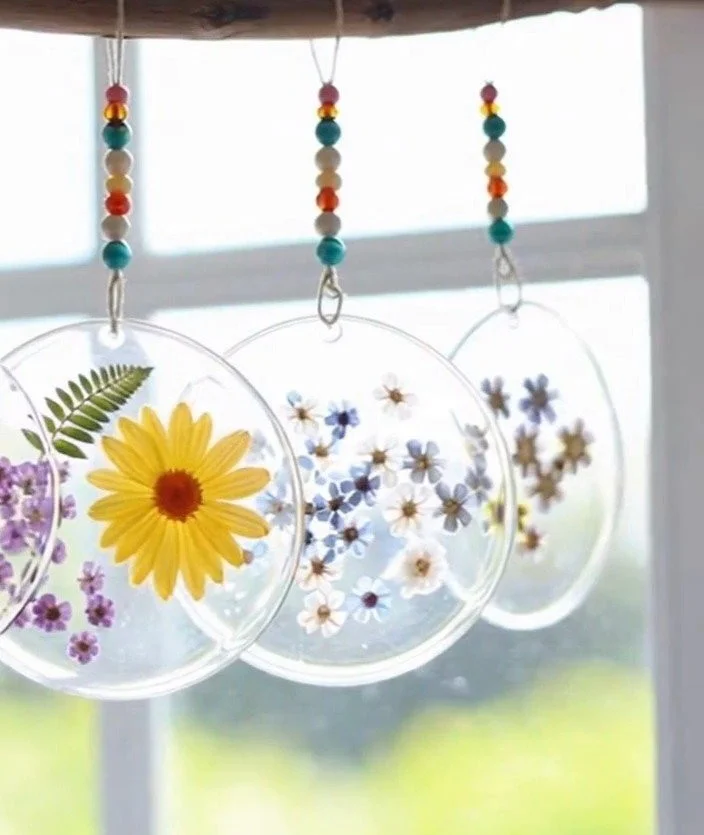
This recipe feels low-prep because it uses a few common ingredients and tools you likely already own. You do not need fancy molds or equipment. A small saucepan, a spoon, parchment, and a quiet table do the job.
It feels approachable because the steps follow kitchen rhythms many families already know. You mix, heat until the mixture thickens, then cool and press. Kids can help with arranging flowers and pressing the sheets.
This craft proves reliable in short timeframes. The heating step takes under 10 minutes and the setting time fits a nap or after-dinner window. If you want a longer hands-on lesson, you can involve measuring, flower sorting, and trimming.
This project works for real-life schedules because you can pause at several points. You can make the bioplastic sheet and set it under weight, then come back hours later to finish. It adapts easily to busy days and short bursts of creativity.
A Quick Look Before You Begin
This section gives a calm overview so you know what to expect without diving into the steps yet.
Plan on about 10 minutes active time at the stove and 2 to 12 hours of setting or drying time depending on thickness and room humidity. The active stove work goes quickly and you can manage it while supervising kids nearby.
Set up on a flat, quiet surface with a silicone mat or parchment. The mess level stays low because the bioplastic stays in the pan and on parchment. If a child helps, plan simple tasks like laying out flowers or helping press.
Adult involvement matters during heating. Keep a hand on the spoon while the mixture thickens. After that, kids can arrange flowers and help weigh the sheets. If you want a similar cornstarch-based activity focused on bubbles and texture, try our cornstarch bubble dough guide for a quick companion activity at home with similar materials and simple science. See the cornstarch recipe here: cornstarch bubble dough.
Materials You’ll Need
Cornstarch
common household pantry staple
Water
tap water works fine
White vinegar
a small acidic touch to help set the mix
Coconut oil or light vegetable oil
helps the bioplastic feel flexible
Glycerin (optional)
adds softness and reduces brittleness
Clean, dry pressed flowers or petals
dry flowers press best
Weights or books
to press the sheet flat while it sets
Parchment paper or silicone baking mat
keeps the paste from sticking
STEP-BY-STEP DIRECTIONS
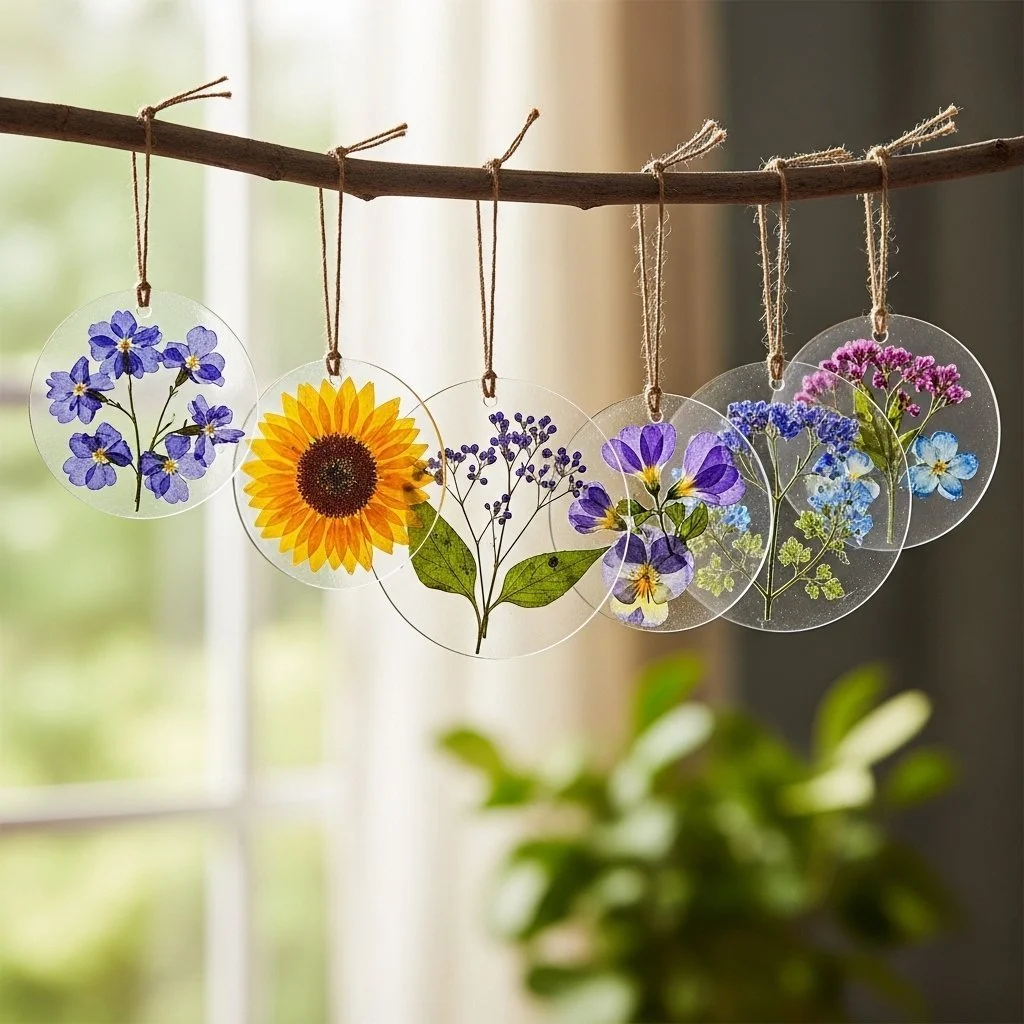
- Gather ingredients and tools on a quiet surface.
Lay out cornstarch, water, vinegar, oil, optional glycerin, pressed flowers, parchment or silicone mat, a small saucepan, and a spoon.
Choose a flat spot where the finished sheets can sit undisturbed while they set. - Mix 2 tablespoons cornstarch with 1 cup water in a saucepan until smooth.
Pour the water into the saucepan first, then add the cornstarch to avoid lumps.
Stir gently until the mixture looks opaque and free of streaks. - Add 1 teaspoon vinegar and 1 teaspoon oil, stirring gently.
If you use glycerin, add about 1/2 teaspoon now for extra flexibility.
Stir until the oil and vinegar blend in; the mix will still look thin. - Heat the pan over medium-low heat, stirring continuously until thickened (5-8 minutes).
Keep the heat moderate so the mix does not scorch or boil over.
You will see the mixture change from runny to a thick, paste-like texture; small bubbles may form at the edges. - Remove from heat and let cool for 1 minute.
Letting it sit prevents shocking delicate petals with too much heat.
The paste should still be warm and spreadable but not scalding. - Pour the warm paste onto parchment and spread into an even layer.
Work quickly with a spatula or the back of a spoon to create a sheet roughly a few millimeters thick.
A thinner sheet dries faster; a slightly thicker sheet feels sturdier. - Arrange pressed flowers on the warm sheet and press gently.
Lay flowers face-up for clear display and press them slightly into the paste so they adhere.
If petals lift, gently press them flat with a small spoon or your fingertip. - Cover with another layer of parchment and place a weight on top.
Use a heavy book or a few canned goods wrapped in a towel to avoid direct pressure marks.
The weight helps keep the sheet flat while it cools and sets. - Allow to cool and set for 2-4 hours or overnight.
Humidity and thickness change drying time; thin sheets often set in a few hours.
Leave the weight in place until the sheet feels firm and no longer tacky. - Once dry, peel from parchment and trim edges if necessary.
Lift a corner slowly; if it resists, let it dry longer to avoid tearing.
Use scissors for clean edges and to shape the piece for bookmarks, tags, or small keepsakes. - Store finished pieces flat in a dry place.
Keep them away from direct sunlight to preserve color.
Stack them with parchment between pieces if you make several at once.
The Simple Science or Skills at Work
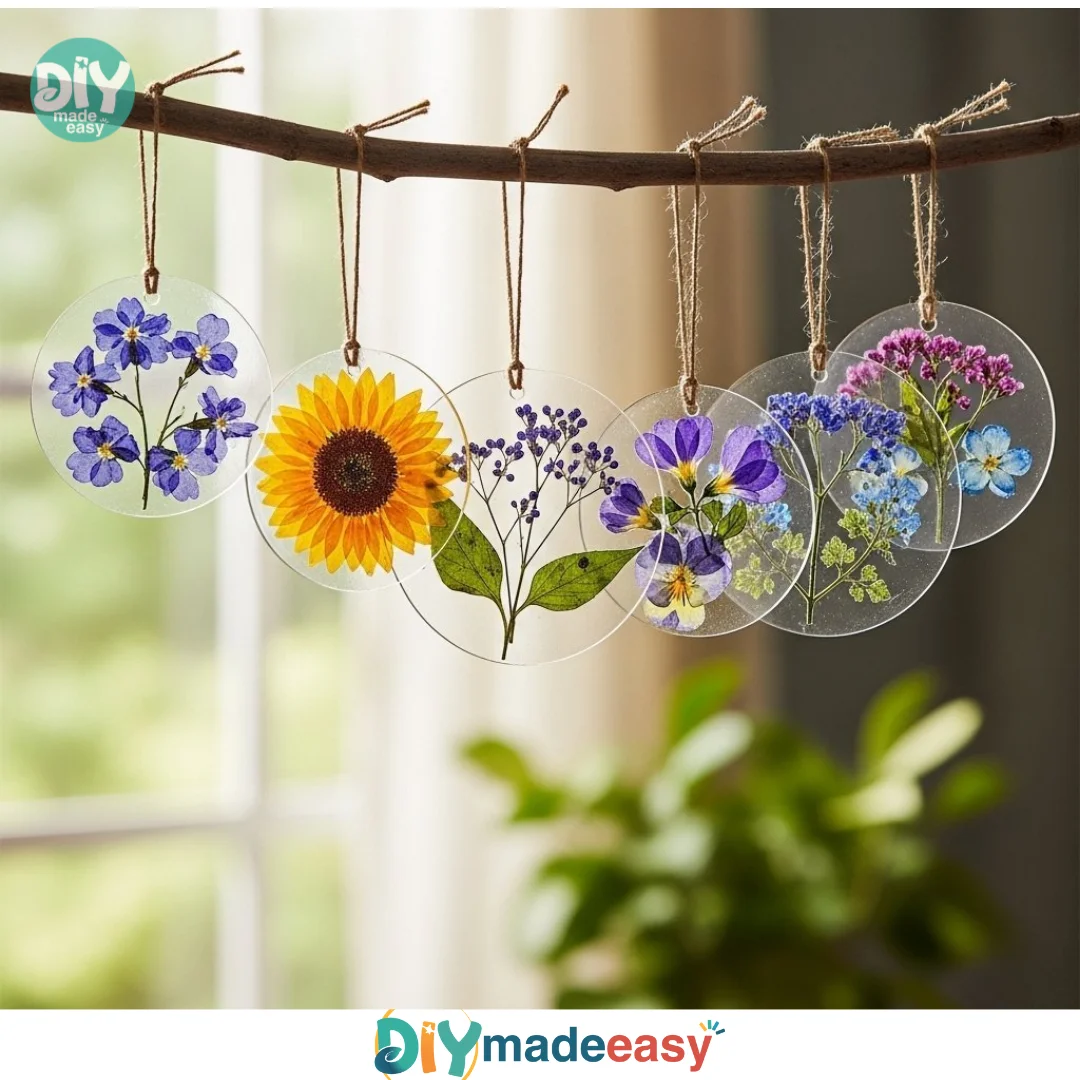
This project mixes a little kitchen chemistry with hands-on making. Cornstarch turns into a flexible, plastic-like sheet when you cook it with water and a bit of oil. The heat causes the starch molecules to swell and stick together, creating a gel that becomes a thin film when it cools.
The vinegar adds a mild acid that helps change the texture and can stabilize the sheet. Oil gives the finished piece a softer feel. Glycerin, when used, acts like a little softener and keeps the end result from feeling brittle.
Kids practice important skills while doing this. They measure and pour, which builds early math confidence. They watch a mixture change with heat, which teaches cause and effect. Arranging small petals supports fine motor control and careful placement.
This activity also builds patience. The hands-on part happens quickly, but the waiting helps kids learn to plan and come back to a finished object. It feels satisfying when a carefully pressed flower remains bright in a clear sheet.
Troubleshooting Common Issues
If Something Doesn’t Go as Planned
If the mixture is lumpy after mixing cornstarch and water, keep stirring and warm gently. Lumps usually smooth out with low heat and steady stirring. If a stubborn lump persists, strain the warm mix through a fine sieve into another pan.
If the paste scorches or smells burned, immediately remove it from heat and discard that batch. Clean the pan and start again with fresh cornstarch and water. Burnt starch gives an off smell and weakens the final sheet.
If the sheet feels sticky after the recommended setting time, let it dry longer in a warm, dry spot. Thin sheets dry faster; thicker ones need overnight. You can also peel carefully and test a small corner; if it flexes without sticking, it should be okay.
If flowers darken or bleed color, the flowers may have been too wet or not fully pressed. Use completely dry, well-pressed flowers to avoid color transfer. If slight color shift happens, embrace the aged look or try different varieties next time.
If the finished piece cracks when you bend it, it may have dried too thin or lacked glycerin. Next time, add a small amount of glycerin or a touch more oil to keep it flexible. Slight cracking can also happen in very dry climates, so store pieces in a slightly humid area or add a layer of clear tape on the back for reinforcement.
Easy Variations to Try
Try adding small bits of dried herbs like lavender or rosemary for a rustic look. Keep the herb pieces small and dry so they do not introduce moisture.
Make bookmarks by pouring a narrow rectangle of paste and placing a ribbon loop at one end before the sheet fully sets. Press the ribbon gently into the paste so it holds.
Work with translucent dried leaves for a minimalist look. The green tones will appear softer and nature-focused; avoid thick glossy leaves that trap moisture.
Create layered pieces by pouring a thin base layer and letting it set slightly, then adding more paste and flowers for a subtle depth effect. This takes more patience but looks like a small collage.
Turn small finished pieces into tags by punching a hole with a clean tool and threading twine through the hole. Reinforce the hole with a tiny piece of tape on the back if the material feels fragile.
Storing or Reusing This Project
What to do with your finished sheets depends on how you want to use them. Store finished pieces flat between parchment in a dry drawer or box to prevent warping.
If you want to reuse a sheet for a different project, you can trim and repurpose small sections as tags, mixed-media collage elements, or simple keepsakes. Avoid bending often; repeated flexing can cause cracks.
Clean up is straightforward. Rinse the saucepan with warm water while the paste is still soft, then wash as normal. If paste dried on a spoon or pan, soak in warm water until it loosens, then scrub gently.
Reduce waste by using leftover thin strips as small embellishments. Save excess from the edges and press again into a small scrap sheet. You can also compost tiny organic scraps like tiny amounts of flower bits if your local compost allows.
FAQs About Cornstarch Bioplastic for Pressed Flowers
Will this project make a permanent piece I can keep?
It will make a long-lasting memento, but it is not an industrial plastic. Expect gentle aging over months to years depending on light and handling. Keep finished pieces flat and out of direct sun to preserve color. If you want extra longevity, a thin coat of a clear craft sealant can help, but try it on a small scrap first.
Is this safe for kids to help with?
Yes, with supervision while heating. The active step at the stove involves warm paste and a hot pan, so an adult should do the heating. Children do well with mixing, pouring, and arranging flowers. Expect a bit of fingertip stickiness and have wet wipes or a damp cloth ready for cleanup.
Can I replace the oil or vinegar with something else?
The recipe works best with a light oil like vegetable oil or coconut oil and plain white vinegar as listed. Small substitutes like apple cider vinegar may change the scent or color slightly. If you do experiment, test a tiny batch first so you do not waste flowers or time.
What if my flowers change color or get soggy?
Flowers that are not fully dry can lose color or leach moisture. Always use clean, dry pressed flowers. If a petal looks thin and fragile, place it carefully or use it in the center where you can press it flat. Thicker blooms like pansies and small roses usually work well; very fleshy blooms may not press as cleanly.
How messy will this be and how do I clean up?
This activity stays fairly tidy. The main mess risk is drips while pouring warm paste and sticky fingers when arranging flowers. Keep a damp dish towel nearby and wash tools right after use. Parchment or silicone liner keeps the table clean and speeds cleanup.
A Final Helpful Note
Take your time with the pressing and the setting. The most satisfying part of this project comes from the quiet moments of arranging flowers and the slow reveal after the sheet dries. If something feels off, pause and reassess rather than forcing a quick fix. A small extra minute to smooth a petal or a longer drying time will usually save frustration.
This craft rewards relaxed making. Let children choose color combinations and practice careful placement. Celebrate small imperfections; they often become the most charming details. If you want more hands-on experiments that use common kitchen ingredients and spark curiosity, you can try a crystal-making science kit or STEM challenge on our site. One fun companion project that explores dry reactions and patient observation is our baking soda rainbow crystal activity. See the project here: baking soda rainbow crystal forest.
Conclusion
If you want a deeper look at the science behind starch-based films, this paper on starch-based bioplastics explains lab findings and material properties in more detail: Synthesis and characterization of starch based bioplastics.
If you worry about plastics in everyday items and want accessible reading about microplastics in surprising objects, this thoughtful article on tea bags discusses how some common items can contain plastic and why that matters: Is there plastic in your teabag?.
PrintCornstarch Bioplastic for Pressed Flowers
A simple, satisfying craft that uses common pantry ingredients to create bioplastic sheets for pressing flowers.
- Prep Time: 10 minutes
- Cook Time: 8 minutes
- Total Time: 12 hours
- Yield: 2–4 sheets 1x
- Category: Craft
- Method: Heating
- Cuisine: N/A
- Diet: N/A
Ingredients
- 2 tablespoons cornstarch
- 1 cup water
- 1 teaspoon white vinegar
- 1 teaspoon coconut oil or light vegetable oil
- 1/2 teaspoon glycerin (optional)
- Clean, dry pressed flowers or petals
- Parchment paper or silicone baking mat
- Weights or books
Instructions
- Gather ingredients and tools on a quiet surface.
- Mix 2 tablespoons cornstarch with 1 cup water in a saucepan until smooth.
- Add 1 teaspoon vinegar and 1 teaspoon oil, stirring gently.
- Heat the pan over medium-low heat, stirring continuously until thickened (5-8 minutes).
- Remove from heat and let cool for 1 minute.
- Pour the warm paste onto parchment and spread into an even layer.
- Arrange pressed flowers on the warm sheet and press gently.
- Cover with another layer of parchment and place a weight on top.
- Allow to cool and set for 2-4 hours or overnight.
- Once dry, peel from parchment and trim edges if necessary.
- Store finished pieces flat in a dry place.
Notes
Keep finished pieces flat and out of direct sunlight to preserve color.
Nutrition
- Serving Size: N/A
- Calories: Estimated 50 calories per sheet
- Sugar: 0g
- Sodium: 10mg
- Fat: 1g
- Saturated Fat: 0g
- Unsaturated Fat: 1g
- Trans Fat: 0g
- Carbohydrates: 12g
- Fiber: 0g
- Protein: 0g
- Cholesterol: 0mg