
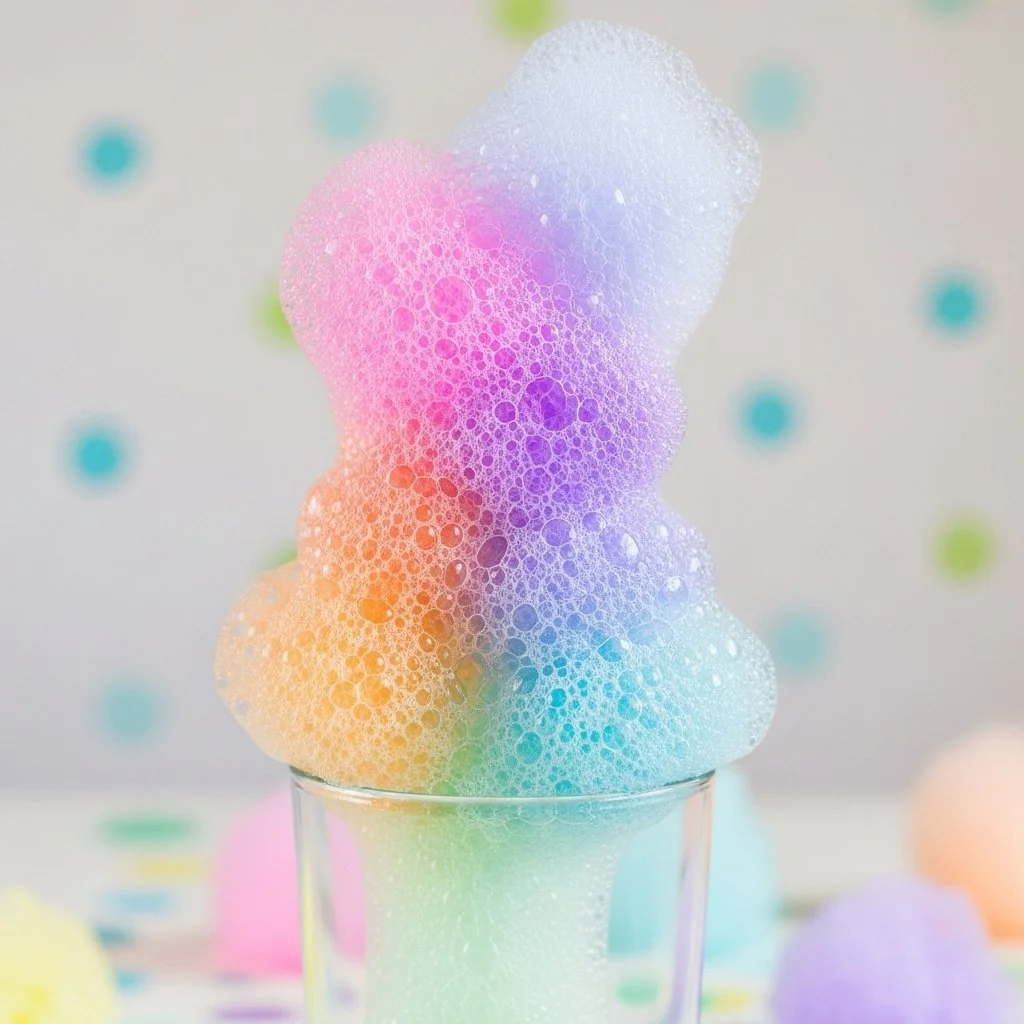
A busy afternoon. The kids want something now. You have two minutes to set up something that feels like play and science all at once. That is the moment when the Color Burst Foam Eruption Science Experiment comes in. It turns a few pantry staples into a colorful, foamy reaction that delights little hands and stays simple for adults. If you like quick kitchen science that makes a mess worth keeping, you might also enjoy our salt volcano experiment, which uses the same pantry chemistry with a different flair: salt volcano experiment.
Why This Color Burst Foam Eruption Science Experiment Works So Well
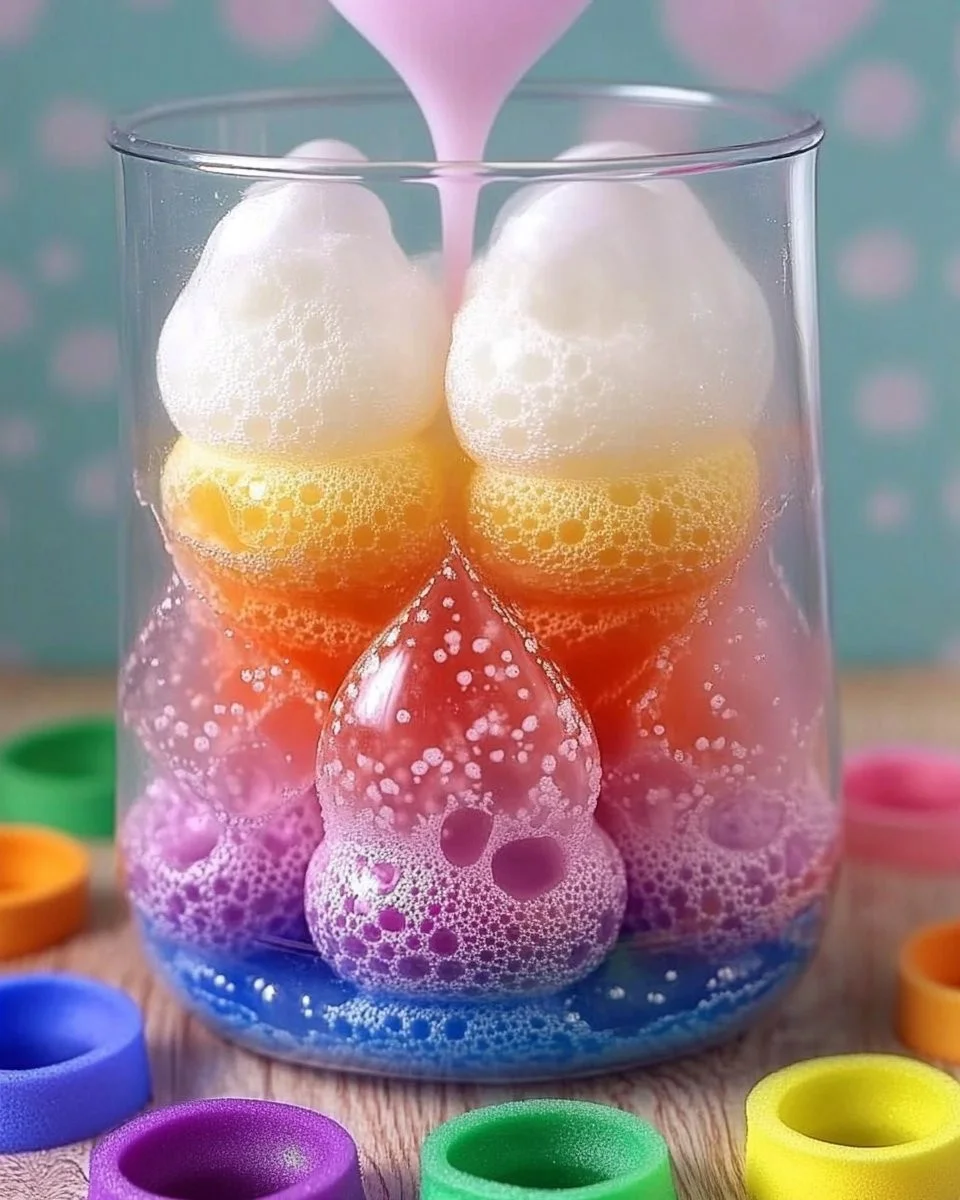
This activity stays low-prep because the materials live in the kitchen or bathroom. You grab baking soda, dish soap, vinegar, and a few little containers, and you are ready. You do not need fancy tools or long lists of supplies. That makes it perfect for last-minute plans, rainy-day afternoons, or short attention spans.
The experiment feels approachable because the steps follow a gentle rhythm. You mix a paste, make small wells, and pour colored vinegar. The result feels immediate and satisfying. The foam grows, the colors bloom, and everyone watches in real time. The setup takes just minutes. The payoff bright foam and curious faces comes in seconds.
This project stays reliable because the chemistry is forgiving. Baking soda and vinegar react predictably. Adding soap emphasizes bubbles and texture. Small differences in water or soap change timing and foam thickness, but they do not ruin the reaction. That makes this experiment a dependable choice for real-life schedules and helpers of all ages.
A Quick Look Before You Begin
This project usually takes 20 to 40 minutes from start to finish, depending on how many colors you try and how slowly you pour. Setup takes five to ten minutes. The active part, where children pour and watch, might run 10 to 20 minutes before the novelty fades.
Mess level: medium. The tray contains most of the foam and colors. Expect some colored vinegar spills in the tray and a few drips on the table. Keep a towel and a damp cloth ready. Use washable food coloring or liquid watercolors to make cleanup easier.
Adult involvement: light to moderate. Young children need close supervision for pouring and measuring. Older kids can do much of the work independently with one adult nearby. If you want to scale the experiment into a calmer activity, let kids add the colored vinegar drop by drop with pipettes.
Materials You’ll Need
1 cup baking soda
common household item
2 to 3 tablespoons liquid dish soap or gentle liquid castile soap
mild soaps work best
Vinegar (for the reaction)
white vinegar or apple cider vinegar both work
Food coloring or liquid watercolors (gentle, washable colors)
use washable brands to ease cleanup
Small cups or shot glass-sized wells (for color)
recycled yogurt cups or shot glasses work
A shallow tray or baking sheet with raised edges
helps keep foam contained
A mixing bowl (plastic or glass)
large enough to stir comfortably
A sturdy spoon or spatula
for mixing and spreading
Optional: pipettes or droppers
nice for slow, precise pours
Optional: measuring spoons
helpful for exact water additions
Optional: safety goggles and gloves
useful with curious toddlers or if you want extra caution
Step-by-Step Directions
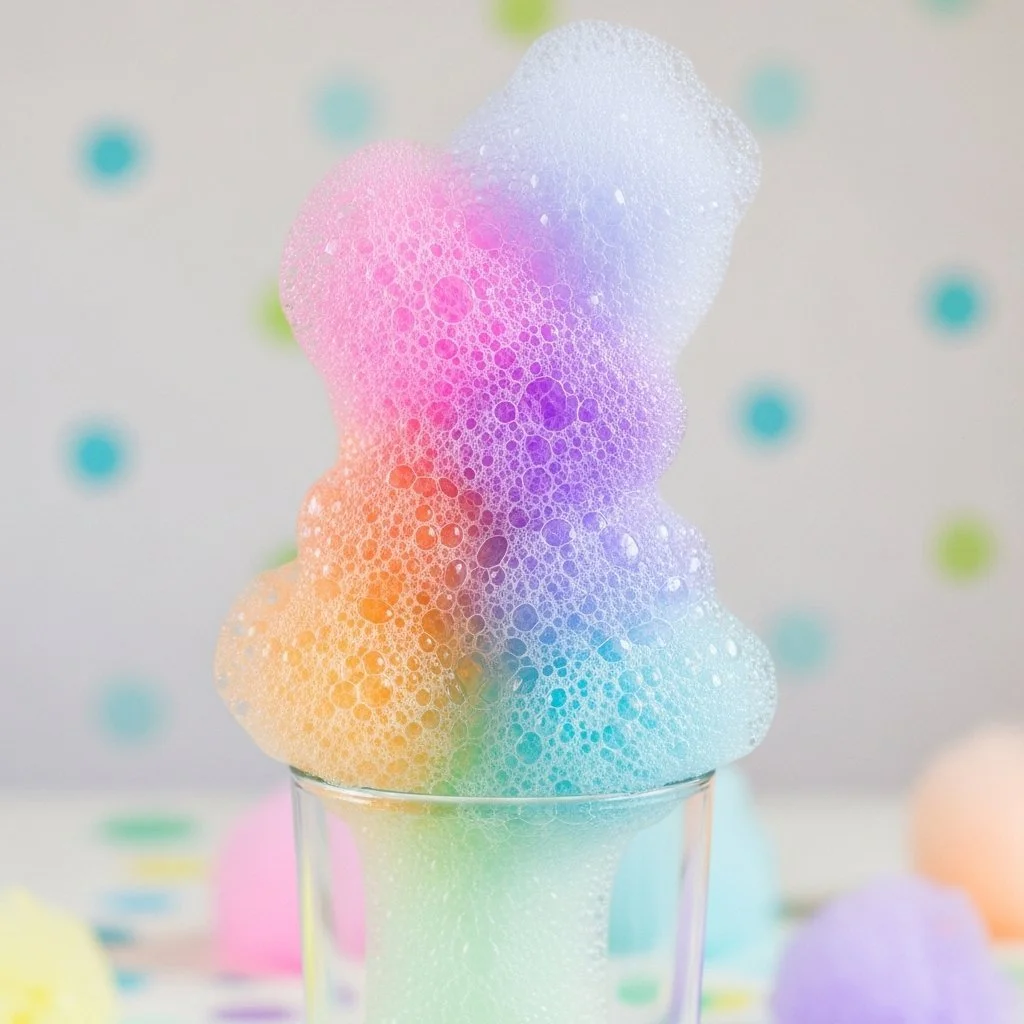
- Place your tray and mixing bowl on a flat surface. Keep a towel nearby. Let light fall softly across the tray so you can see the colors clearly.
- Spoon baking soda into the bowl. Run your fingers gently through the grains. The dry texture helps you judge the amount.
- Add liquid soap to the baking soda. Stir slowly until the mixture becomes thick and slightly glossy. Look for a satin sheen and few dry pockets.
- Add a small splash of water, one tablespoon at a time, mixing until it becomes a pasty texture. Stop when it holds shape but still spreads easily.
- Spread the paste into the tray in a low, even layer. Aim for a thin bed about a quarter inch deep so the foams have room to rise.
- In small cups, mix food coloring with vinegar. Use separate cups for each color. A vivid color with a small vinegar amount makes the eruption pop.
- Arrange the color cups around the tray for easy access. Keep the strongest colors furthest from light clothing and the tray edges.
- Make shallow wells in the paste where you want the foam to erupt. Use the back of a spoon to form small hollows that guide the foam upward.
- Pour the colored vinegar into a well slowly and observe the fizz. Watch the bubbles form and the color spread through the foam.
- Optionally use a dropper to add additional color to the foaming point. Small drops change the bloom and let kids practice steady hands.
- Repeat with other colors, spacing the pours. Let each eruption calm a little before starting the next to keep the colors distinct.
- After the foam settles, gently press it with a spoon to explore texture. The foam feels light and soapy. You can scoop, swirl, and watch the color fade into the paste.
What Kids Practice While Making This
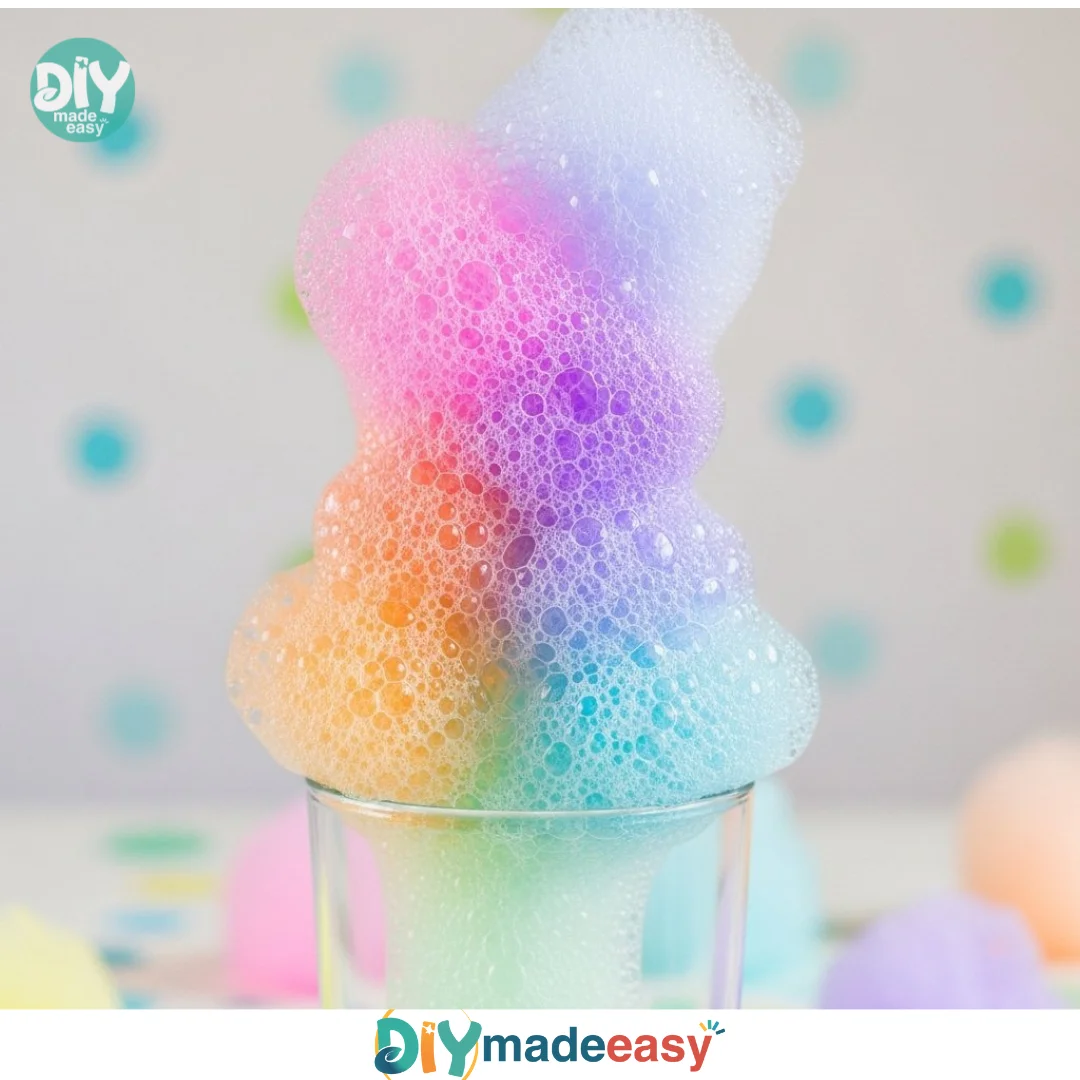
This experiment teaches simple cause and effect. Kids pour a liquid and see bubbles grow in real time. They learn that changing the amount of vinegar or soap changes how fast the foam appears. Those observations build early scientific thinking.
Fine motor skills also get a workout. Scooping baking soda, stirring a paste, pinching a dropper, and pouring slowly all strengthen small hand muscles and coordination. Making small wells trains intentional motion and control.
Color mixing and visual discrimination come into play. Watching two colors meet and blend helps children notice color relationships. You can ask questions like what new color appears when blue meets yellow to make the moment gently educational.
If you want a broader set of kitchen experiments to rotate through, this page lists more simple projects that use the same everyday approach: kitchen science experiments.
Troubleshooting Common Issues
If the paste looks too dry, the foam may be weak. Add one more tablespoon of water and mix again. The paste should be moist enough to hold wells without collapsing.
If the foam spreads too flat, you used too much water or too little soap. Stir in a little more baking soda and a touch more soap to thicken the paste. Let the mixture sit a minute before trying again.
If colors look faint, the vinegar-to-color ratio is low. Add a bit more food coloring to the vinegar cups. Use liquid watercolors if you want brighter results without stronger staining.
If the foam collapses quickly, the vinegar may be pouring too fast. Slow the pour, or use a dropper so the reaction bubbles up rather than rushing out.
If children touch the paste and their hands become sticky, a quick rinse with warm water removes soap and residue easily. Keep wet wipes or a bowl of water nearby for little hands.
Easy Variations to Try
- Tiny Volcano Row: Make a line of small wells and pour in colors one at a time to create a rainbow procession. This works great for toddlers who like repetition.
- Hidden Surprise: Place a small lightweight toy or plastic charm in a shallow depression and pour colored vinegar nearby to reveal it slowly. This adds a reveal element without changing the recipe.
- Seasonal Colors: Match colors to the season. Try pastels for spring, bright primaries for a party, or autumn tones for a cozy day. If you want a holiday twist with love-themed science, check these fun science ideas: valentine science experiments.
- Slow-Release Drops: Use pipettes to add vinegar one drop at a time. This stretches the activity for longer attention spans and builds precise motor control.
- Bubble Painting: After an eruption, press a piece of heavy paper against the foam and peel it away. You will get soft, cloudy prints that look like watercolor. Let them dry flat.
If you want a different take that uses the same baking soda and vinegar basics, this balloon-baking soda experiment offers a playful contrast: balloon baking soda experiment.
Storing or Reusing This Project
Leftover paste stores briefly in an airtight container for a day or two in the fridge. The paste dries out over time, so use it soon. You can add a little water and stir to revive it.
Vinegar mixed with food coloring can stay at room temperature for a day in covered cups. If you plan to reuse colors the next day, transfer them into small jars with lids.
Most trays and bowls rinse clean with warm, soapy water. Let any stains soak a few minutes before scrubbing. If you used washable liquid watercolors, rinsing usually removes any hint of dye.
Recycle any used paper cups and wipe plastic cups clean for the next experiment. Try to avoid pouring colored vinegar down drains without dilution in larger amounts. Rinse the tray and then run water to dilute any remaining colored vinegar.
If you want to reduce waste, use the same small cups for multiple rounds and keep a clean towel or disposable paper under the tray to catch stray drips.
FAQs About Color Burst Foam Eruption Science Experiment
Will this stain clothes or furniture?
I worry about bright colors.
I have made this many times and I keep expectations realistic. Bright food coloring can stain porous fabrics and light wood if left to sit. Using washable liquid watercolors reduces this risk. Dress kids in old shirts or aprons and put a towel under the tray. If a drop reaches fabric, blot it with a damp cloth right away and launder as usual. Quick action removes most stains.
Is this safe for younger children?
Yes if you supervise carefully. The ingredients are common house items, but vinegar is acidic and may irritate eyes. I recommend goggles if little ones are prone to rubbing their faces. Watch toddlers closely while pouring and avoid letting them taste the materials. The optional gloves protect curious fingers and keep cleanup easier.
Can I use other reactions or substitutes if I am out of something?
You should stick to the materials listed for reliable results. Baking soda and vinegar drive the fizz. If you only have dish soap, use it in the 2 to 3 tablespoons range for best foam. If food coloring is not available, try liquid watercolors or diluted washable paint in tiny amounts. Be honest about changes; substitutions may alter color intensity or foam texture.
My foam never looks like the pictures. What am I doing wrong?
You are probably close. The most common issue is paste thickness. If the paste is too dry, foam will be weak. If it is too wet, the foam spreads and loses height. Aim for a slightly sticky paste that holds shape. Also check vinegar strength and pour speed. Slow, steady pours give a taller fizz. The results vary with small changes, and that is part of the fun.
How long will this keep kids interested?
That depends on age and mood. For preschoolers, a few colorful eruptions might be plenty. For older kids, adding challenges like mixing exact colors or timing pours keeps them engaged longer. If attention wanes, consider switching to a new variation or using pipettes for a slower pace.
A Final Helpful Note
Trust the process and keep things flexible. Some pours will bloom into perfect spires. Others will make a soft spread that smells faintly vinegary and feels soapy. Both outcomes teach something. Let kids experiment with pour speed and color combinations. Celebrate small discoveries like how two colors meet or how a dropper makes the foam last longer.
You do not need perfect results to have a great experience. Keep towels handy, choose washable colors, and enjoy the small, surprising moments when the foam bursts into bright color.
Conclusion
If you want to expand beyond this experiment into colorful sensory play, consider a safe color option like this kid-friendly bath bomb powder that adds gentle pigments to water and can inspire more color-based activities. For more experiments that use the same baking soda and vinegar reaction with clear explanations and ideas, see The Ultimate Guide to Volcano Experiments for Kids.
PrintColor Burst Foam Eruption Science Experiment
A fun and colorful science experiment that combines baking soda, vinegar, and soap to create a foamy eruption that delights kids and is easy for adults to facilitate.
- Prep Time: 10 minutes
- Cook Time: 20 minutes
- Total Time: 30 minutes
- Yield: 1 experiment 1x
- Category: Science Experiment
- Method: Chemistry
- Cuisine: N/A
- Diet: N/A
Ingredients
- 1 cup baking soda
- 2 to 3 tablespoons liquid dish soap
- Vinegar (white or apple cider)
- Food coloring or liquid watercolors
- Small cups or shot glasses
- A shallow tray or baking sheet
- A mixing bowl
- A spoon or spatula
- Optional: pipettes or droppers
- Optional: measuring spoons
- Optional: safety goggles and gloves
Instructions
- Place your tray and mixing bowl on a flat surface. Keep a towel nearby.
- Spoon baking soda into the bowl.
- Add liquid soap to the baking soda and stir until thick and glossy.
- Add water one tablespoon at a time until it becomes a pasty texture.
- Spread the paste into the tray in a low, even layer.
- Mix food coloring with vinegar in small cups.
- Arrange the color cups around the tray for easy access.
- Make shallow wells in the paste.
- Pour the colored vinegar into a well slowly and observe the fizz.
- Optionally use a dropper to add additional color to the foaming point.
- Repeat with other colors, spacing the pours.
- After the foam settles, gently press it with a spoon to explore texture.
Notes
Keep a towel and a damp cloth ready. Use washable food coloring to ease cleanup.
Nutrition
- Serving Size: N/A
- Calories: 0
- Sugar: 0g
- Sodium: 0mg
- Fat: 0g
- Saturated Fat: 0g
- Unsaturated Fat: 0g
- Trans Fat: 0g
- Carbohydrates: 0g
- Fiber: 0g
- Protein: 0g
- Cholesterol: 0mg