
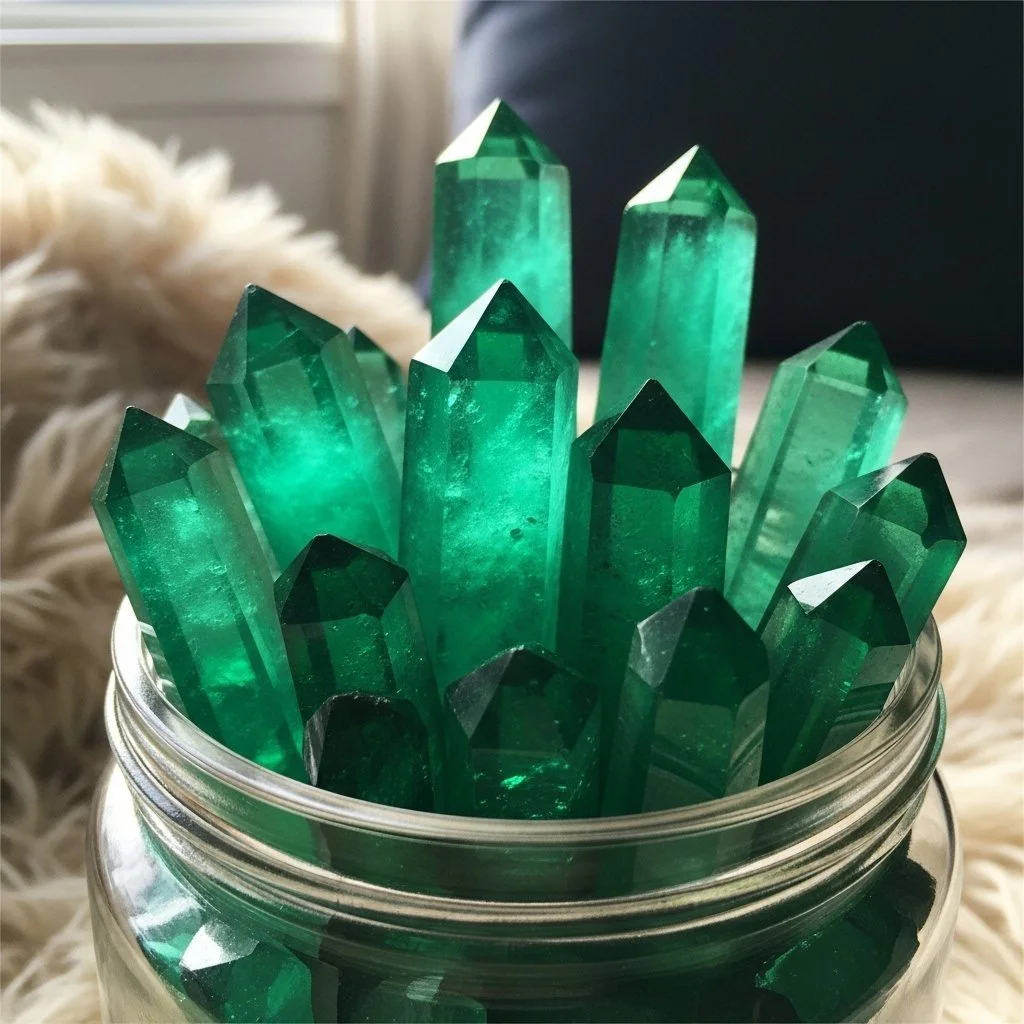
A busy afternoon, a last-minute need to keep kids busy, or a small window between errands is all it takes to try the Bright Green Crystal Seashell Experiment. I remember one rainy Saturday when my kids wanted something different after lunch, so we cleared a corner of the kitchen table, pulled out a few clean shells, and set this up. The setup felt calm and doable in under ten minutes, and the slow, bright-green crystals forming along the shell edges kept everyone curious for days. If you want a low-prep, kid-friendly project that lives on the kitchen counter and rewards patience, this experiment fits the bill and pairs well with other crystal growing experiments you might try later.
Why This Bright Green Crystal Seashell Experiment Works So Well

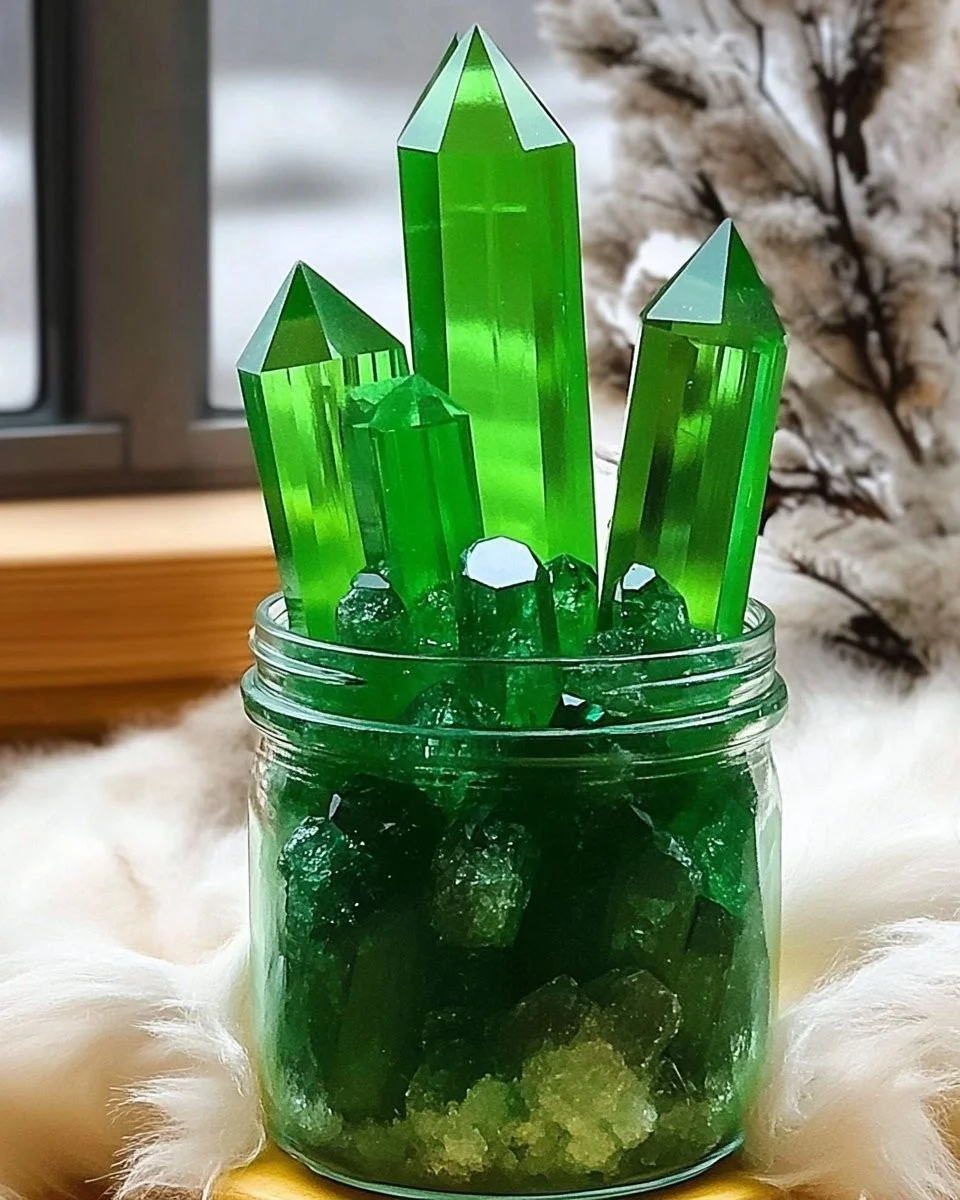
This project works because it mixes simple chemistry with an object kids already love. A warm sugar solution holds more dissolved material than cool water, so as it cools and evaporates, the sugar or salts come out of solution and form crystals. Seashell grooves act like tiny scaffolds. They collect the solution and give crystals places to latch on and grow in interesting shapes.
It feels low-prep because you use common pantry items and one shallow dish. You do not need special molds or tools. The timing suits real life. You can do the quick setup in ten minutes and peek each day without interrupting other plans.
The method stays approachable because it relies on visible cues. If the water looks clear, the solute dissolved. If the solution beads and clings in shell grooves, you know the shell will seed crystals. These are reliable signs that the experiment is working without complex measurements.
You will also appreciate how forgiving it is. Small variations in the amount of sugar, the addition of a pinch of salt, or a slightly different lighting situation do not ruin the effect. They change how fast or how sparkly the crystals grow, which gives you room to learn as you go.
A Quick Look Before You Begin
This project takes about 10 minutes to start and several days to show real growth. Count on setting aside a calm spot in the house for the dish to sit undisturbed for at least 48 to 72 hours.
Setup is simple. You heat one cup of warm water, dissolve the sugar and optional additives, color the solution, and spoon it over the shell. The mess level stays low if you use a soft cloth under the dish and a small spoon to pour.
Supervision needs are light but present. Little kids will enjoy spooning and watching, but an adult should handle the warmed water and any alum or magnesium sulfate. The rest of the work becomes check-and-wait. If you like step-by-step reads, our step-by-step seashell recipe goes into similar projects you can try later.
Materials You’ll Need
Clean seashells, washed and dried
Granulated sugar
Table salt or Epsom salt (optional)
Alum or magnesium sulfate (optional)
Warm water
Bright green food coloring or dye
Small glass or ceramic shallow dish
Wooden stirring stick or spoon
Soft cloth or paper towels
Tweezers or small brush (optional)
Gloves and eye protection (optional)
A label or small note to date your experiment
Each of these items stays true to the original list. Clean seashells are the project base and a common household find if you keep beach treasures. Granulated sugar does the heavy lifting by forming the bulk of the crystals. A pinch of table salt or Epsom salt changes the texture and rate of growth and stays optional for flexibility. Alum or magnesium sulfate will produce different crystal clarity and shape for those comfortable with the materials. Use bright green food coloring to get the fun, mermaid-like color. The shallow dish collects runoff and makes observation easy. A wooden stir stick keeps sticky solution off your good spoons. A soft cloth under the dish prevents sliding and captures spills. Tweezers or a small brush help tidy delicate edges when the shells dry. Gloves and eye protection are optional but a sensible choice when adults dissolve powders. A dated label helps you track which shell you started and when. If you want more context or a full project guide later, check this full seashell project guide.
STEP-BY-STEP DIRECTIONS
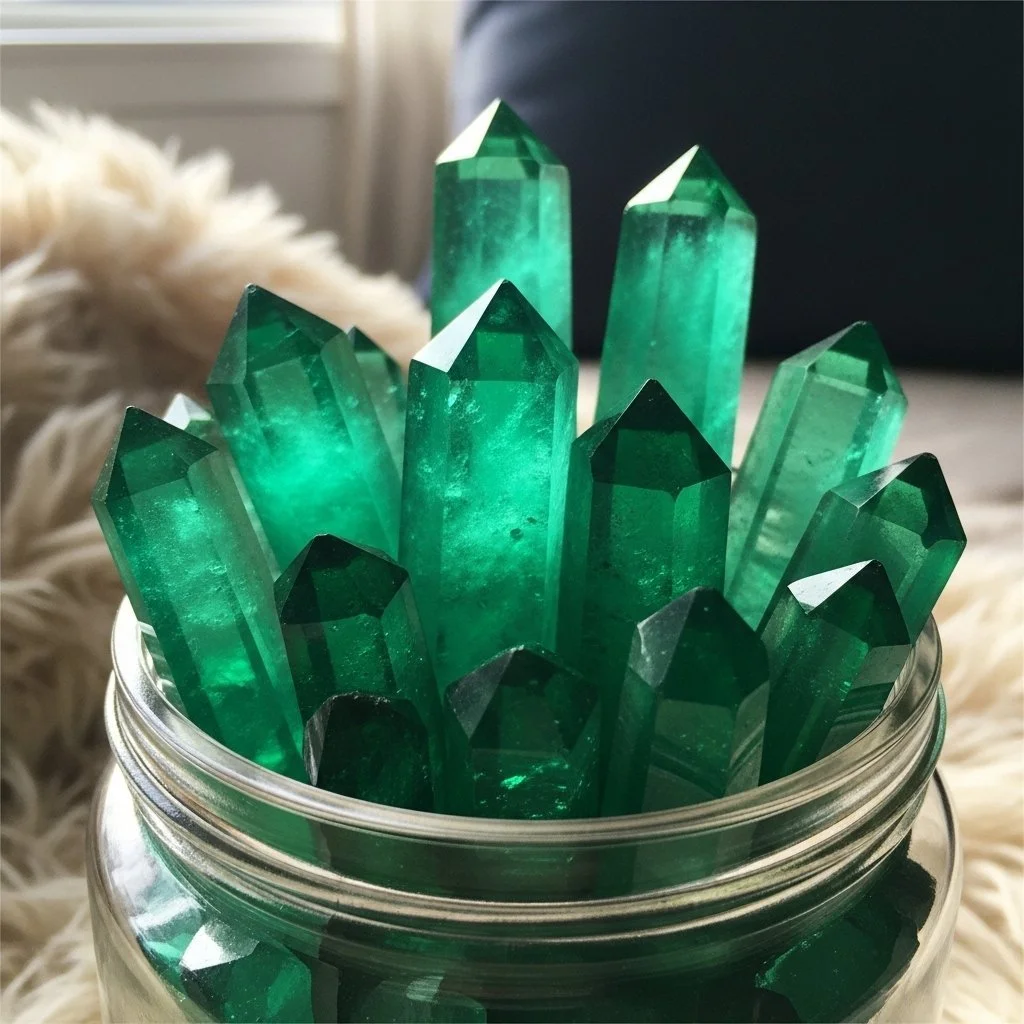
- Prepare a calm workspace with a soft cloth on your table and place the shallow dish in the center with the shell nearby.
Set everything within reach so you do not need to move the dish once you pour the solution. - Heat 1 cup of warm water until it feels comfortably warm. Pour it into a small saucepan or kettle.
You want warm, not boiling; test by touching the outside of the container briefly with a back of your hand. - Stir in 2 to 3 tablespoons of sugar until it dissolves and the water looks clear. Add a pinch of salt if desired.
Watch for the liquid to go from cloudy to clear. If there is graininess, keep stirring until smooth. - If using alum or magnesium sulfate, dissolve a teaspoon now. Stir until uniform.
These dissolve quickly in warm water. Use gloves if you prefer and avoid breathing the powder. - Add 3 to 5 drops of bright green food coloring and stir gently.
You want even color. A few drops give bright color; stir slowly so you do not splash. - Place the clean shell in the shallow dish resting on a towel.
Set the shell so its grooves face upward or slightly to the side to catch the solution. - Spoon a small stream of the warm solution over the shell, allowing it to pool in grooves and corners.
Aim for steady, small streams rather than dumping. Pooled solution seeds crystal growth along edges. - Cover the dish loosely with a paper towel. Place the dish somewhere quiet with stable temperature and soft light.
Avoid windows with direct sun or drafty spots where pets or curious hands can reach. - Check the shell once a day for changes in crystal formation.
Look for tiny sparkles or crusts forming along ridges. If the solution dries too fast, lightly mist with warm water. - When satisfied with the growth, gently pour off excess solution and let the shell dry on a soft towel. Use tweezers or a soft brush to tidy edges if necessary.
Work slowly so you do not knock off fragile crystals. Date and label the shell if you want to compare results later.
The Learning Behind This DIY
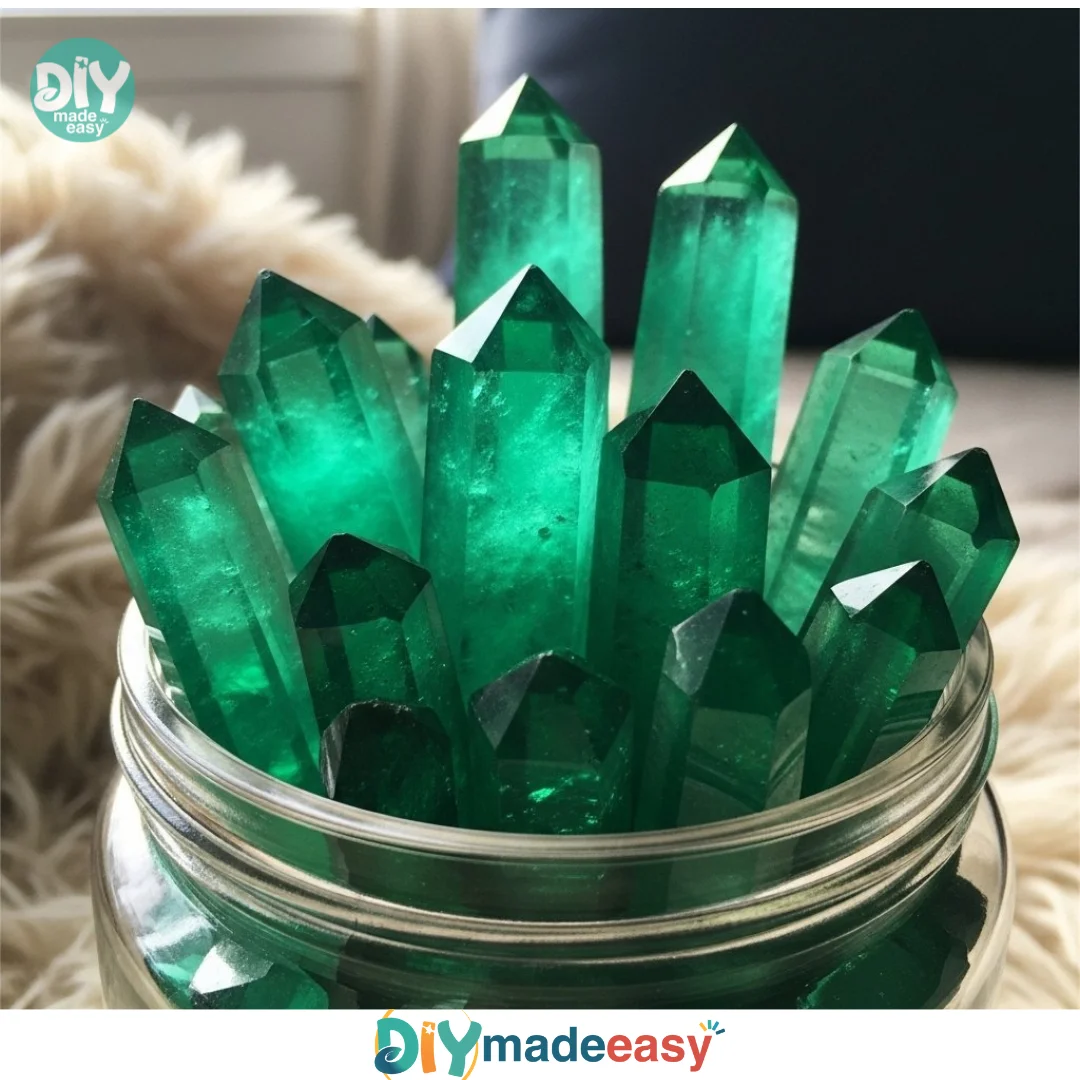
This experiment teaches simple cause and effect. When warm water holds dissolved sugar or salts and that water leaves the shell, the solid material appears again as crystals. Kids learn that temperature and evaporation matter. Warmer water dissolves more, and slower evaporation usually makes larger crystals.
Fine motor skills get a gentle workout when children spoon solution, set shells in place, or use tweezers to tidy dried edges. Those small actions help hand-eye coordination and patience.
You also practice observation. Checking daily to notice tiny changes trains careful looking. Discuss what you see: are crystals clear, sparkly, or lumpy? Does one shell show more growth? These small questions help kids make simple predictions and test them the next day.
If you want to compare colors or textures, try other posts for inspiration. For example, our write-up about pink seashell crystals post shows how small changes make different visual results and gives fresh ideas to try.
Troubleshooting Common Issues
If your solution looks cloudy after dissolving sugar, keep stirring until it clears. Cloudiness usually means not all the sugar dissolved or the water was cooler than you thought. Warm the water a little more and stir again.
If crystals do not appear after a few days, the shell may not have trapped enough solution, or the dish sat in a very humid spot. Try spooning a little more solution into grooves and move the dish to a slightly warmer, drier location. Avoid direct heat that could crack fragile crystals.
If crystals form but look powdery instead of sparkly, the solution likely evaporated too quickly or you used too much salt. Slow down evaporation by keeping the dish covered loosely with a paper towel and choosing a stable temperature. Remove excess salt in future attempts or reduce salt additions.
If the colored crystals stain hands or surfaces, act quickly. Wipe spills with a damp cloth and mild soap, then rinse. Use a soft cloth under the dish each time to protect your table from drips.
If mold or odd smells appear after several days, the solution may have been contaminated. Dispose of the solution, wash the dish, and start fresh with clean shells and utensils. Keep the area dry and watch for foreign debris in the solution.
Easy Variations to Try
Try different colors: swap bright green for blues or purples to suit a season or project theme. The steps remain the same and kids love comparing which color looks the sharpest.
Use Epsom salt or table salt instead of sugar in a few shells to see texture differences. Each solute makes slightly different crystals. Keep track with a dated label so you know which shell used which ingredient.
Set up a small competition: give each child a shell and let them choose the amount of sugar within the suggested range. Check daily and compare the fastest growth and the prettiest result. This keeps kids engaged across several days.
Try a tiny mix of alum in one shell and sugar-only in another to see how the crystal clarity changes. Alum often makes clearer, more glass-like crystals, while sugar gives a softer sparkle.
Seasonal twist: glue small paper sea creatures nearby and use the shells as mini displays once dry. This turns the experiment into a simple keepsake without much extra work.
Storing or Reusing This Project
If you want to keep shells as decorations, let them dry fully on a soft towel in a low-traffic space. Handle them gently; crystals can chip if dropped.
To clean a shell for reuse, soak it briefly in warm water and gently brush away loose crystals with a soft brush or old toothbrush. Avoid harsh scrubbing if you want to preserve any remaining crystals as part of the look.
Store leftover solution in a lidded container if you plan to experiment again soon. It may thicken as it cools; reheat gently to dissolve solids before reuse. Label the container with the date so you know how fresh it is.
Reduce waste by using small dishes and only the solution you need. If you use alum or magnesium sulfate, seal and store powders in a labeled jar away from food items.
FAQs About Bright Green Crystal Seashell Experiment
Will this make a big mess in the kitchen?
It usually stays tidy if you follow the simple setup steps. I always put a soft cloth under the dish and spoon slowly. The sticky solution can drip, but a quick wipe with a damp cloth cleans it up. If a child spills, rinse the area right away with warm soapy water. The main cleanup is wiping the table and washing the small dish and spoon; that usually takes five minutes.
Is this safe for young children?
With supervision, yes. Kids can do the colorful, nonheated parts like adding food coloring and watching growth. An adult should handle warming the water and dissolving powders such as alum. Gloves and eye protection are optional if you prefer extra caution. Keep tiny children from tasting or touching powders and remind everyone that the solution is not food even though it uses sugar.
Can I swap ingredients if I do not have alum or magnesium sulfate?
Yes. Alum and magnesium sulfate are optional. The core effect comes from sugar and warm water. If you do not use those additives, expect slightly different crystal shapes and possibly slower growth. Be honest about results with kids: sugar-only shells look lovely but different from alum-enhanced ones.
How long will the crystals take to look good?
You will see hints of crystal growth in 24 to 48 hours and fuller coverage in three to five days. Patience improves the results. If you need quicker—though usually smaller—crystals, put the dish in a slightly warmer spot. For larger, neater crystals, keep the area stable and avoid direct sun so evaporation stays steady.
What if the green color bleeds or stains?
Food coloring can transfer when wet. Once crystals dry, the color usually stays with the crystals and does not smear easily. Use a cloth under the dish and wash hands after handling wet shells. If a surface gets stained, a mild scrub with dish soap and warm water usually removes most food dye.
A Final Helpful Note
This project rewards gentle attention more than precision. Small spills and stubborn grains of sugar happen, but they add to the lived experience of making something together. Start with one shell, enjoy the daily check-ins, and treat any unexpected results as chances to learn and try again. You will likely finish the experiment with something you feel proud of and a new patience for slow, visible change.
Conclusion
If you want a compact, comfortable headset for listening to music while you set up projects, consider the Lightspeed Delta Zulu ANR Headset for quiet focus during hands-on work. For deeper reading on how different chemicals interact with dyes and crystal formation, see this relevant study on efficient adsorption of crystal dyes that helps explain how additives change color and texture.
PrintBright Green Crystal Seashell Experiment
A fun and engaging crystal growing experiment using seashells that captivates kids with a mix of chemistry and creativity.
- Prep Time: 10 minutes
- Cook Time: 4320 minutes
- Total Time: 4330 minutes
- Yield: 1 experiment
- Category: Science Experiment
- Method: N/A
- Cuisine: N/A
- Diet: N/A
Ingredients
- Clean seashells, washed and dried
- Granulated sugar
- Table salt or Epsom salt (optional)
- Alum or magnesium sulfate (optional)
- Warm water
- Bright green food coloring or dye
- Small glass or ceramic shallow dish
- Wooden stirring stick or spoon
- Soft cloth or paper towels
- Tweezers or small brush (optional)
- Gloves and eye protection (optional)
- A label or small note to date your experiment
Instructions
- Prepare a calm workspace with a soft cloth on your table and place the shallow dish in the center with the shell nearby.
- Set everything within reach so you do not need to move the dish once you pour the solution.
- Heat 1 cup of warm water until it feels comfortably warm. Pour it into a small saucepan or kettle.
- Stir in 2 to 3 tablespoons of sugar until it dissolves and the water looks clear. Add a pinch of salt if desired.
- If using alum or magnesium sulfate, dissolve a teaspoon now. Stir until uniform.
- Add 3 to 5 drops of bright green food coloring and stir gently.
- Place the clean shell in the shallow dish resting on a towel.
- Spoon a small stream of the warm solution over the shell, allowing it to pool in grooves and corners.
- Cover the dish loosely with a paper towel. Place the dish somewhere quiet with stable temperature and soft light.
- Check the shell once a day for changes in crystal formation.
- When satisfied with the growth, gently pour off excess solution and let the shell dry on a soft towel.
Notes
This experiment is forgiving and encourages exploration. Supervision is needed for heating water and handling chemicals.
Nutrition
- Serving Size: 1 experiment
- Calories: N/A
- Sugar: N/A
- Sodium: N/A
- Fat: N/A
- Saturated Fat: N/A
- Unsaturated Fat: N/A
- Trans Fat: N/A
- Carbohydrates: N/A
- Fiber: N/A
- Protein: N/A
- Cholesterol: N/A