


It is a busy afternoon, the kind where snacks have been handed out and the question of “What can we make now?” pops up before you have a second cup of coffee. You pull out a few things from the craft drawer and set a paper towel on the table. In under an hour you can go from that quick setup to a bright, floating Jellyfish Suncatcher swaying in a sunny window. This project feels like a tiny moment of calm in a noisy day, and it gives kids a simple win they can see and touch. You do a little drawing, add color, pop it in the oven, and then watch the thin plastic soften and shrink into a glossy little jellyfish that plays with light. It is one of those crafts that looks special but uses easy materials and honest steps.
Why You’ll Love Making Jellyfish Suncatcher
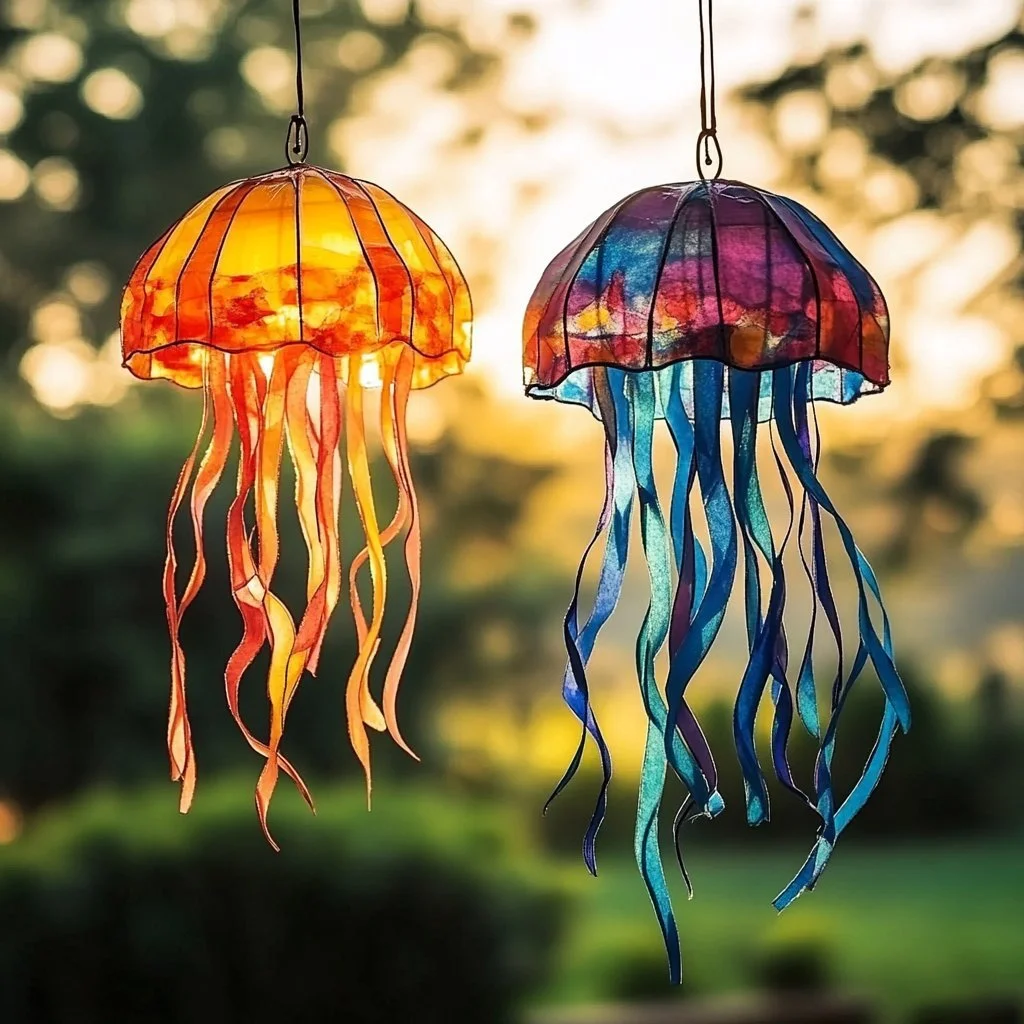
This jellyfish suncatcher is low-prep because you need only a handful of things you likely already have or can borrow quickly. You do not spend an hour sorting paints or mixing glues. You draw, color, cut, and heat. That simple loop keeps momentum steady and keeps young makers engaged.
It feels approachable for different ages. Younger kids can scribble color and trim big shapes. Older kids can try more detailed designs, add beads, or shape tentacles with care. You can guide or step back. The result looks reliable because shrink plastic follows predictable rules: it curls, then flattens, then shrinks into a brighter, firmer piece.
This craft fits real life. It works for a 20-minute quiet table activity, an after-school project, or a weekend afternoon. It does not require a perfect workspace. A paper towel under the work and an oven or heat tool gets the job done. If time runs short, you can stop after baking and finish the curling and hanging later. That flexibility makes this project an easy thing to start and finish without stress.
Explore Visual Creative Crafts
Get inspired by eye-catching projects. Browse our Visual DIY Creative Crafts and bring your creative ideas to life with simple, visual guides.
How This DIY Comes Together
This project moves in a calm, steady flow. You spend a little time drawing and coloring, then a short period cutting and prepping, and a small baking step that feels a bit like magic. Most of the time you watch, and the piece does the work for you.
Setup takes a few minutes. Clearing a small table spot, laying down a paper towel, and gathering your supplies keeps the session tidy. The mess level stays low if you keep a paper towel and a soft cloth handy to wipe marker smudges or tiny bits of plastic.
Timing is forgiving. Drawing and coloring can take as little as five minutes or as long as you like. The baking step usually lasts only a few minutes, and the cool-down is the only real waiting time. Adult involvement for the oven step keeps things safe, but kids can do most of the rest themselves. That balance makes the craft great for mixed-age groups.
Materials You’ll Need
Clear shrink plastic sheet or clear craft plastic
Common household item, sold in craft stores, often labeled shrink film
Permanent markers in colors
Kid-friendly, vivid color works best; Sharpies or craft markers are fine
Scissors
Household scissors work; use safety scissors for younger kids
Hole punch or awl
Simple hole punch or a small tool to make the hanger hole
Thin ribbon or fishing line
Ribbon looks pretty; fishing line makes a nearly invisible hanger
Small beads (optional)
Adds weight and sparkle to tentacles; use big-hole beads for easier threading
Paper towel or soft cloth
Protects the table and cleans marker smudges
Pencil or dowel
For curling tentacles around after baking
Baking sheet and oven or heat tool
A sheet for the oven or a craft heat tool; oven usually gives most predictable results
Small paintbrush and rubbing alcohol
Use the brush and alcohol to clean small smudges or lighten marker edges
STEP-BY-STEP DIRECTIONS
- Preheat the oven or prepare your heat tool. Protect your surface with a paper towel.
Set the oven to the temperature recommended for your shrink plastic.
If you use a heat tool, plug it in and have a safe spot where it will rest. - Draw a jellyfish body on the shrink plastic and color it with markers.
Draw a rounded dome for the head and add circles or lines for personality.
Color boldly; colors deepen when the plastic shrinks. - Cut out the jellyfish shape, leaving strips for tentacles. Punch a hole at the top for hanging.
Cut the dome shape, then cut the lower edge into several thin strips for tentacles.
Use a hole punch or awl to make a hanging hole near the top center. - Add beads to the tentacles if desired, then bake or heat according to instructions. Watch as it curls and flattens.
Thread beads onto tentacle strips if you want a decorative look or a bit of weight.
Place the piece on a baking sheet and follow the shrink plastic directions; it will curl, then flatten. - Let cool completely, then curl tentacles around a pencil or straw. Thread ribbon through the hole and tie a knot.
Give the plastic enough time to cool so it stays firm when you shape it.
Wrap each tentacle around a pencil for a gentle spiral, then feed ribbon or line through the top hole and knot. - Hang the completed suncatcher in a window and enjoy the light it catches.
Pick a sunny window where it can spin and cast color.
Watch the little jellyfish move when a breeze passes; the beads will catch sunlight too.
The Simple Science or Skills at Work
This project uses a neat bit of kitchen science. Shrink plastic is a polymer sheet that relaxes and condenses when heated. The heat makes the sheet curl up and then snap flat as the plastic molecules settle into a tighter form. That process is why your drawing becomes smaller and more vivid after baking.
Children practice fine motor skills while cutting tentacles and threading beads. Controlling scissors and threading beads builds hand-eye coordination. When they curl tentacles around a pencil, they work on a gentle wrist motion that improves dexterity.
Cause and effect appears clearly here. Color looks different before and after baking. Watching the material change reinforces that actions lead to real outcomes. It is a simple, satisfying introduction to materials science without complicated words.
Troubleshooting Common Issues
If your piece flattens but stays a little warped, try placing it under a heavy, clean book once it cools.
Sometimes shrink plastic does not sit completely flat on the first try. A gentle press with a warm, but not hot, book can help.
If colors look faint after shrinking, you most likely colored too lightly.
Next time press the markers more firmly or add a second pass of color. Markers deepen, but they start with solid coverage.
If the piece curls and spins during baking and sticks to the sheet, use parchment paper or a silicone mat.
A small amount of sticking happens when pieces touch hot metal. A nonstick surface saves your suncatcher.
If tentacles snap while curling, they may be too thin.
Cut slightly wider tentacles or leave more plastic at the base. Thicker strips hold up better when you curl them.
If beads slide off or bunch up while threading, add a tiny knot or a dab of clear glue at the end of the strip.
A small bead can act as a stopper, or a dot of glue keeps everything in place without changing how it looks.
Easy Variations to Try
Try a translucent look by coloring only the edges of the dome and leaving the center clear.
This creates a halo of color that brightens with sun.
Make a whole mini-sea by cutting several jellyfish in different sizes and hanging them together.
Vary colors and bead sizes to create depth and interest in the window.
Use metallic or glitter markers sparingly for shimmer.
A little shimmer on tentacle tips or around the dome gives a subtle, pretty glow without extra mess.
Turn the jellyfish into a sun-mobile by attaching several with different ribbon lengths.
Let them hang at staggered heights so each catches light as it moves.
Let older kids trace small drawings on the plastic first, then transfer more detailed designs.
Tracing helps with symmetry and gives practice drawing shapes before shrinking makes final details permanent.
Storing or Reusing This Project
If you take the suncatcher down for storage, wrap it gently in tissue paper and lay it flat in a shallow box.
Avoid folding or stacking heavy items on top of it.
Reuse leftover shrink plastic scrap for tiny charms or tags.
Small bits bake the same way and make quick keychains or gift tags.
Keep your markers capped and store them upright when not in use.
That helps them last longer and keeps colors bright for the next project.
Clean up crumbs of plastic with a soft cloth or brush and toss them in recycling if your local program accepts the material.
Wipe marker smudges from your work surface with the rubbing alcohol and a small brush; it lifts pigment quickly.
FAQs About Jellyfish Suncatcher
Will this be too messy for my kitchen table? I am worried about permanent marker getting everywhere.
It usually stays tidy if you set out a paper towel and encourage coloring on top of it. Keep a damp cloth nearby for fingers, and use the small brush with rubbing alcohol for little smudges. Markers are permanent on plastic but wash off hands and most surfaces with a bit of rubbing alcohol or soap if caught quickly. I have done this many times and find that the mess is small and easy to manage.
Is this safe for younger kids? What ages work best?
This craft fits a wide range of ages. Around five to six, kids can help draw and color with supervision. Cutting and the oven step need an adult or older child. If you handle the oven or heat tool and pre-cut basic shapes, younger children enjoy coloring and beading. Always keep hot tools away from small hands.
Can I skip the beads if I do not have any?
Yes. Beads are optional. They add sparkle and weight, but a neat, plain jellyfish looks lovely too. If beads feel fiddly, try threading just one at the end of each tentacle or leave them off entirely.
What if my suncatcher shrinks too small or looks different than the picture?
That happens sometimes. Shrink plastic reduces a lot in size, so your first piece might surprise you. Cut larger than you think you need and color boldly. If a piece comes out a touch uneven, remember that handmade items have charm. You can make another with these notes in mind and likely get a size closer to what you expect.
How long will it last in a window? Will it fade?
The piece should last for years if you avoid direct, intense midday sun for long periods. Colors may fade gradually if exposed to constant bright sun. If you want longer life, hang it in a bright spot that does not get full sun all day. If it does fade, you can make a replacement quickly.
A Final Helpful Note
Take your time and enjoy the small surprises. The heating step often feels like a tiny magic trick, and watching the plastic curl is a quiet highlight for kids and adults. If a piece does not look perfect, treat it as a happy experiment. The next one often turns out closer to what you hoped for. Keep the project flexible. Let little makers take the lead on color, and step in only when handling sharp scissors or a hot oven. You will end with something to hang, remember, and smile at when the light moves through it.
Conclusion
If you want a template or inspiration for different jellyfish designs, check this tutorial for stained glass style ideas: Jellyfish Stained Glass Suncatcher – Life Anchored.
If you need a quick look at ready-made jellyfish suncatchers or ideas for supplies, you can browse options here: Jellyfish Suncatcher – Amazon.com.
PrintJellyfish Suncatcher

Create a colorful Jellyfish Suncatcher for your window with simple materials and enjoyable steps.
- Prep Time: 10 minutes
- Cook Time: 5 minutes
- Total Time: 15 minutes
- Yield: 1 suncatcher
- Category: Crafts
- Method: Baking
- Cuisine: N/A
- Diet: N/A
Ingredients
- Clear shrink plastic sheet
- Permanent markers in various colors
- Scissors
- Hole punch or awl
- Thin ribbon or fishing line
- Small beads (optional)
- Paper towel or soft cloth
- Pencil or dowel
- Baking sheet
- Oven or heat tool
- Small paintbrush
- Rubbing alcohol
Instructions
- Preheat the oven or prepare your heat tool.
- Draw a jellyfish body on the shrink plastic and color it with markers.
- Cut out the jellyfish shape, leaving strips for tentacles. Punch a hole at the top for hanging.
- Add beads to the tentacles if desired, then bake or heat according to instructions.
- Let cool completely, then curl tentacles around a pencil or straw. Thread ribbon through the hole and tie a knot.
- Hang the completed suncatcher in a sunny window.
Notes
This craft is suitable for a range of ages and can be done with minimal preparation.
Nutrition
- Serving Size: 1 suncatcher
- Calories: N/A
- Sugar: N/A
- Sodium: N/A
- Fat: N/A
- Saturated Fat: N/A
- Unsaturated Fat: N/A
- Trans Fat: N/A
- Carbohydrates: N/A
- Fiber: N/A
- Protein: N/A
- Cholesterol: N/A