

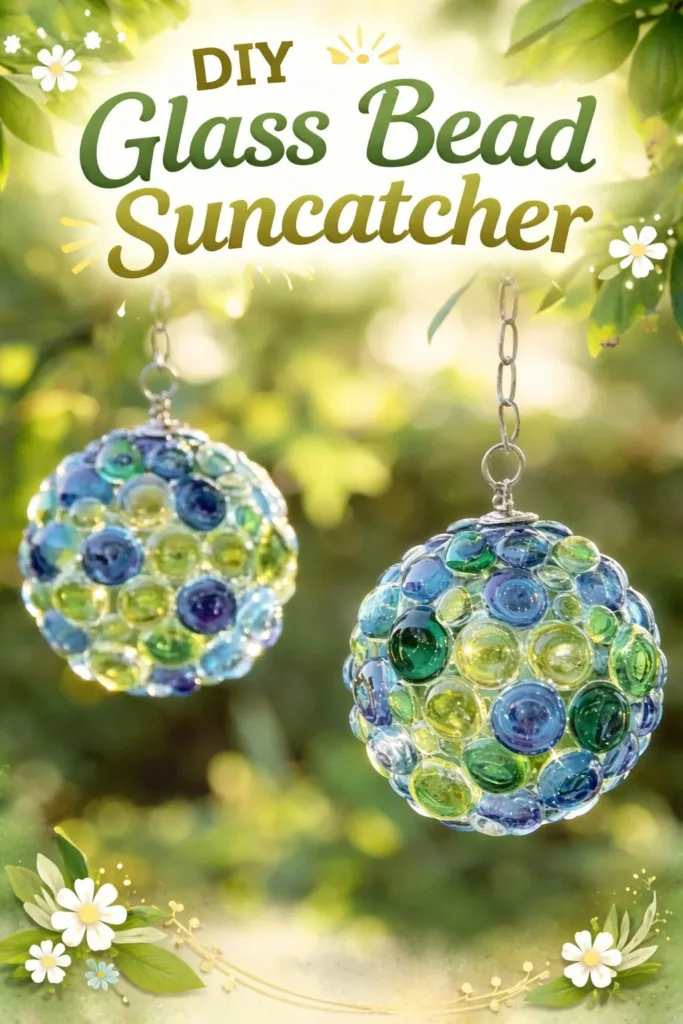
I opened the kitchen drawer for a quick snack and found the kids circling the table with that hopeful look. It was one of those busy afternoons when we needed a calm, quick activity that still felt special. I pulled out a small bowl of glass beads and a hoop, and we made a DIY Glass Bead Suncatcher while the tea steeped. It took under an hour, left only a few beads to sweep up, and the kids watched the light change the whole time. That simple moment is exactly what this project is for: easy to start, gentle on a packed day, and delightfully bright at the end.
Why You’ll Love Making DIY Glass Bead Suncatcher
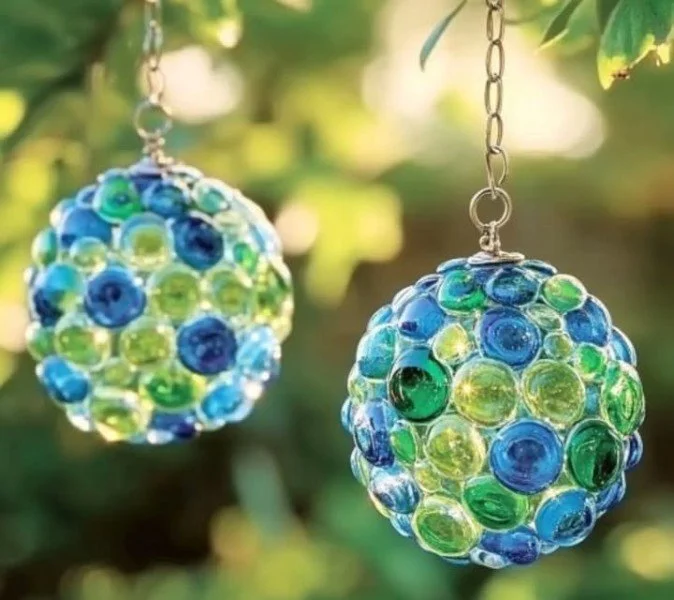
This project works because it uses a few, clear steps and things you can find easily. You do not need fancy tools or a long setup. The beads do the work when the sun hits them, so even simple patterns look great.
It fits real life. You can make one strand while a child colors nearby. You can finish most of the job in the time it takes the rice to cook. You skip long drying times or sticky messes. That low-prep feel makes it fun for parents who want a calm craft and for kids who want instant sparkle.
It feels approachable because each step has a clear, small win. Thread a bead, make a loop, test the balance. Those little wins add up fast. The result looks more thoughtful than it is. Faceted glass beads catch and scatter light, so even basic color choices make the window lively.
It also stays reliable. If a strand slips or a loop needs tightening, you can fix it in minutes with pliers. The materials hold up on a sunny windowsill. You will get real color and movement without a lot of fuss.
How this helps in a busy schedule matters. You can plan the length, set out beads in bowls, and hand a kid a single wire to thread. If you have ten minutes, you can do one strand. If you have an hour, you can build a fuller piece. The project adapts to time and energy without losing the joy.
Explore Visual Creative Crafts
Get inspired by eye-catching projects. Browse our Visual DIY Creative Crafts and bring your creative ideas to life with simple, visual guides.
How This DIY Comes Together
This suncatcher comes together in three quick phases: prepare, assemble, and hang. Prepare means setting the space and measuring the window. Assemble means cutting wire, threading beads, and finishing loops. Hang means finding the right spot and enjoying the light.
Plan for about 30 to 60 minutes depending on how many strands you make. A single, simple suncatcher often takes 20 to 30 minutes. A fuller design with many strands takes closer to an hour. You decide the timing.
The setup stays low-mess. Lay a soft cloth and use a small bowl for beads. You may spill a few beads. They roll, you scoop them back into the bowl. No paint or glue means easy cleanup.
Adult help matters mainly at two points. Use pliers for tight loops and wire cutters for clean ends. Keep small parts and beads away from very young children. For older kids, this becomes mostly independent work with gentle supervision.
You get visible results quickly. As soon as the sun hits the beads you will see colors and tiny rainbows. That instant feedback keeps kids excited and adults relaxed.
Materials You’ll Need
Glass beads in assorted sizes and shapes (transparent and faceted)
- Choose mixed sizes for sparkle and light play
Beading wire (thin stainless steel or coated jewelry wire)
- Thin wire makes neat knots and holds shape
Clear nylon fishing line or monofilament (optional)
- Use if you prefer an invisible look
Jump rings and small eye screws for hanging
- For secure attachments to your hoop or driftwood
Round-nose pliers and wire cutters
- Pliers for loops, cutters for clean ends
A small metal or wooden hoop, driftwood, or a shaped frame (optional)
- Hoop gives a classic look; driftwood adds rustic charm
Bead stoppers or a small piece of tape
- Keeps beads from sliding off while you work
Ruler or measuring tape
- Measure window height and strand length
Fine permanent marker or wax pencil (optional)
- Mark wire lengths without damaging beads
A soft cloth and a small bowl for beads
- Cloth stops rolling; bowl keeps beads organized
Magnifying lamp (if needed)
- Helpful for tiny beads or older eyes
Safety container to keep beads away from children and pets
- Store leftover beads safely and out of reach
STEP-BY-STEP DIRECTIONS
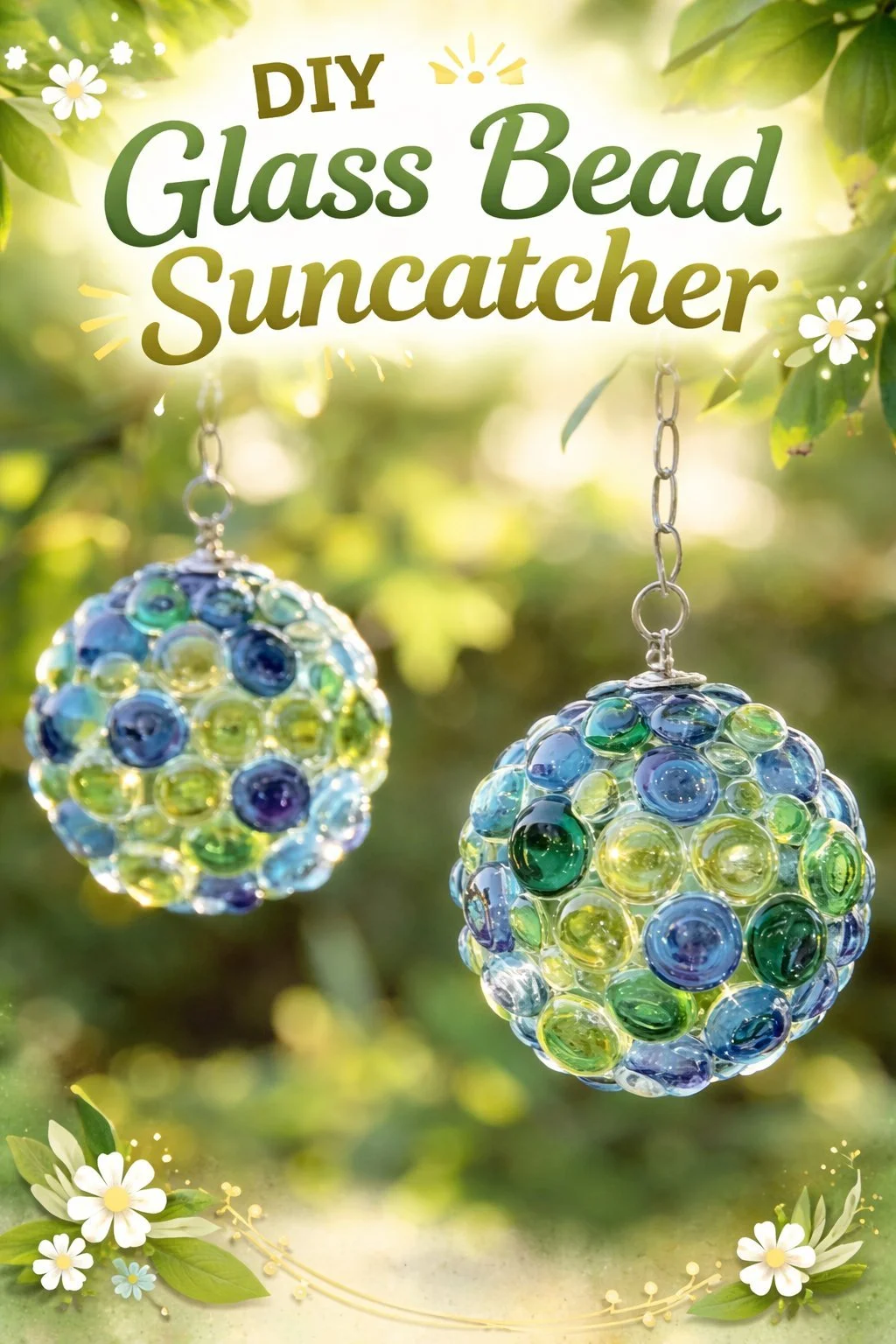
- Prepare your workspace with a soft cloth to prevent beads from rolling away and set a bowl for sorting.
Lay out the beads by color or size. Keep the lamp or window nearby for testing shine. - Decide on the shape and length of the suncatcher, measuring the window area.
Measure from the hook point to the sill and leave extra for movement and knots. - Cut your wire or line, leaving extra length for knots.
Add at least 4 to 6 inches extra per strand to make comfortable loops. - Secure one end with a bead stopper or tape.
A small bit of tape keeps beads from slipping while you plan the pattern. - Thread beads in your chosen pattern, adjusting as necessary.
Try repeating colors or mixing sizes; stop and hold the strand up to check look. - Add focal beads where sunlight will hit for a scattering effect.
Place larger or faceted beads about two thirds down a strand where they catch light best. - Create balanced strands, testing equilibrium by lifting them.
Hold each finished strand by the top loop so it hangs straight and adjust bead placement if it tips. - Finish ends with small loops and attach jump rings.
Use round-nose pliers to form neat loops, then add a jump ring for secure hanging. - Attach strands to your hoop or frame, ensuring there’s space for light to pass.
Leave gaps so sunlight hits each strand; crowding the hoop dulls the sparkle. - Add a hanging loop and secure the hardware, ensuring it can support the suncatcher.
Use an eye screw through driftwood or a jump ring on a metal hoop and test the weight. - Hang and observe the light and colors produced.
Move the suncatcher a little until you find the best spot for prisms and color play.
Skills This Activity Supports
This activity helps develop fine motor skills. Threading beads and making small loops use nimble fingers. Children practice steady hands, gentle pressure, and hand-eye coordination.
It teaches planning and simple measurement. Deciding strand length and spacing helps kids learn about scale. Measuring the window and leaving extra length shows practical math in a friendly way.
Making a suncatcher teaches cause and effect. A bead placed near the top may not catch light, but shifting it changes the pattern. Kids learn that small changes create visible results.
You also teach patience and focus. Some beads wiggle or a loop needs tightening. Those moments help kids learn to try again and finish a task. They will feel proud when the sunlight shows their work.
Troubleshooting Common Issues
If beads keep sliding off, your stopper may not hold. Try a small piece of tape wrapped tightly or a bead stopper with a better grip. A wider piece of tape works well on smooth wire.
If loops come loose, check your technique. Use the round-nose pliers to wrap the tail securely around the base of the loop. If a loop still slips, cut it off and make a fresh loop slightly smaller for a tighter hold.
If strands look uneven, hang them and test balance. Slide a bead up or down a little bit until the strand hangs straight. It often takes just a small move to fix a tilt.
If wire kinks or bends oddly, gently bend it back using pliers. Thin wire can kink when you bend it sharply. Try to make smooth curves rather than hard folds for a cleaner look.
If beads feel dull in the window, move the suncatcher to a brighter spot for a day or two. Sometimes early morning or late afternoon sun produces stronger color effects. Try different angles to find the best play of light.
Easy Variations to Try
Make a single long strand for a narrow window. Use larger focal beads to give the simplest design a strong sparkle.
Use a small hoop but vary strand lengths for a layered look. Short strands near the inside and longer ones outside add depth without extra work.
Mix clear fishing line and beading wire. Clear line helps beads look like they float, while wire gives structure. That mix creates a light, airy effect.
Try a natural frame like driftwood for a rustic feel. It adds texture and works well with beachy or earthy bead colors.
Let a child design one strand and an adult finish the loops. This feels collaborative and keeps the project safe and neat.
Storing or Reusing This Project
Store leftover beads in a small safety container labeled with color or size so you can reuse them. Use muffin tins or plastic organizers for small collections.
If you take the suncatcher down, unhook the jump rings and keep strands intact. You can reuse a hoop or repurpose the beads into a new pattern later.
Cleaning beads is simple. Wipe them with a soft cloth and a touch of water. Dry beads fully before storing to avoid residue.
If a strand breaks, save the beads. You can restring them or mix them into new projects like beaded keychains or napkin rings.
Keep a small kit with pliers, spare jump rings, and tape to repair suncatchers quickly. That small kit keeps the project low-friction and ready for fixes.
FAQs About DIY Glass Bead Suncatcher
Will this be too messy for my living room?
Not really. The mess stays small because you work with beads and wire only. I usually lay a soft cloth that catches any escaped beads. A quick sweep or lifting the cloth puts most beads back in the bowl. If a child spills, we take a short pause, gather beads together, and carry on. The cleanup feels manageable compared to paint or glue.
Is this safe for little kids?
What age do you recommend? Very young children should not work with loose beads unsupervised. For kids around five to six, this becomes a guided activity where they can thread bigger beads. Older kids can do most of the steps. Keep a safety container for leftovers and always store beads out of reach of toddlers. I have made these with second graders under close adult eyes and with teens on their own, and both ages loved it.
What if I do not have pliers or wire cutters?
Can I still make one? You can make a simpler version using clear fishing line and tying strong knots instead of metal loops. The piece may not feel as finished, but it will hang and catch light. If you plan to make several, consider getting a small pair of pliers. They cost little and make the final piece look neater.
My beads keep slipping and the strand slides unevenly. Am I doing something wrong?
Not necessarily. It often takes small adjustments. Try using a tiny bead stopper or wrap a bit of tape at the top while you work. Also check the loop size at the end. A small, tight loop holds knots better. If a strand still tilts, shift a small bead slightly until it hangs straight. Those little moves fix most tilts quickly.
How realistic should my pattern be?
Do I need to plan every strand? You do not need to plan each strand in detail. I often pick a general palette and let each strand take shape as I go. If you want symmetry, plan lengths and focal beads. If you prefer a relaxed look, let colors build naturally. Both approaches give good results; choose what feels fun that day.
A Final Helpful Note
You do not need to chase perfection. A few tilted strands or tiny gaps add character, and the sun changes everything anyway. Trust what you see when you lift a strand in your hand and adjust gently.
If you feel stuck, simplify. Make three well-spaced strands on a small hoop and call it done. If you feel inspired, add more strands or mix materials. Either way, you get a bright, cheerful piece that makes a window feel kinder.
Take breaks when you need them. If a knot frustrates you, set the project aside for a few minutes. Come back with fresh hands and it will go faster. The goal is a calm craft, not a race.
Conclusion
If you want more ideas for patterns and layouts, this tutorial complements other step-by-step guides like DIY Suncatchers with Glass Beads that show different bead combos and hanging styles. For extra inspiration on how to use clear and faceted beads for maximum sparkle, the examples in DIY Suncatchers with Glass Beads – One Little Project offer clear photos and simple variations you can try next.
PrintDIY Glass Bead Suncatcher

A delightful and simple project to create a vibrant glass bead suncatcher that brightens your windows with color and light.
- Prep Time: 30 minutes
- Cook Time: 0 minutes
- Total Time: 30 minutes
- Yield: 1 suncatcher
- Category: Crafts
- Method: Crafting
- Cuisine: N/A
- Diet: N/A
Ingredients
- Glass beads in assorted sizes and shapes (transparent and faceted)
- Beading wire (thin stainless steel or coated jewelry wire)
- Clear nylon fishing line or monofilament (optional)
- Jump rings and small eye screws for hanging
- Round-nose pliers and wire cutters
- A small metal or wooden hoop, driftwood, or a shaped frame (optional)
- Bead stoppers or a small piece of tape
- Ruler or measuring tape
- Fine permanent marker or wax pencil (optional)
- A soft cloth and a small bowl for beads
- Magnifying lamp (if needed)
- Safety container to keep beads away from children and pets
Instructions
- Prepare your workspace with a soft cloth to prevent beads from rolling away and set a bowl for sorting.
- Decide on the shape and length of the suncatcher by measuring the window area.
- Cut your wire or line, leaving extra length for knots.
- Secure one end with a bead stopper or tape.
- Thread beads in your chosen pattern, adjusting as necessary.
- Add focal beads where sunlight will hit for a scattering effect.
- Create balanced strands by testing equilibrium by lifting them.
- Finish ends with small loops and attach jump rings.
- Attach strands to your hoop or frame, ensuring there’s space for light to pass.
- Add a hanging loop and secure the hardware.
- Hang and observe the light and colors produced.
Notes
Adult help matters mainly at two points. Use pliers for tight loops and wire cutters for clean ends. Store leftover beads safely and out of reach of toddlers.
Nutrition
- Serving Size: 1 suncatcher
- Calories: 0
- Sugar: 0g
- Sodium: 0mg
- Fat: 0g
- Saturated Fat: 0g
- Unsaturated Fat: 0g
- Trans Fat: 0g
- Carbohydrates: 0g
- Fiber: 0g
- Protein: 0g
- Cholesterol: 0mg