

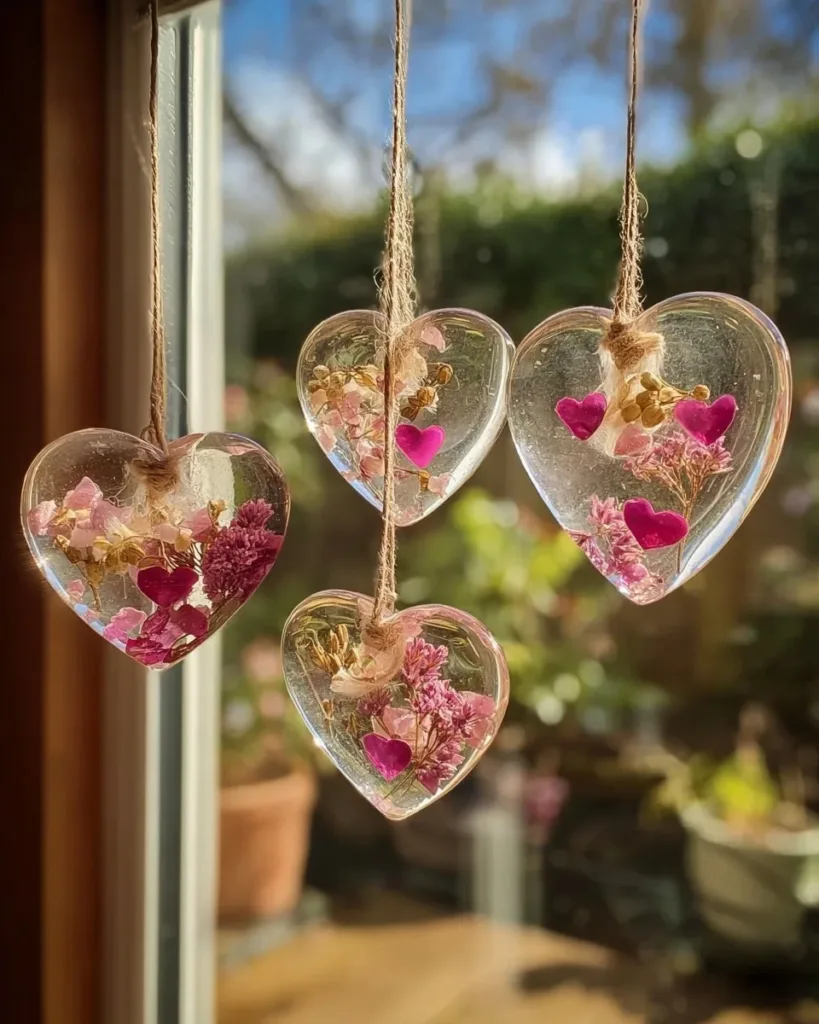
A rainy afternoon, three kids asking for something to do, and a kitchen counter that needs one quick setup. That is exactly the moment DIY Bioplastic Suncatchers become a lifesaver. You can gather a few simple pantry items, let the kids pick some leaves or pressed flowers, and turn a half hour into a bright little keepsake. This project sits right between a quick craft and a tiny kitchen experiment, and it works well when you need an activity that feels special without becoming a full-day mess. If you enjoy low-prep science with hands-on results, you might also like trying our salt volcano activity for a different sort of fizzy kitchen fun that kids can help set up.
Why You’ll Love Making DIY Bioplastic Suncatchers
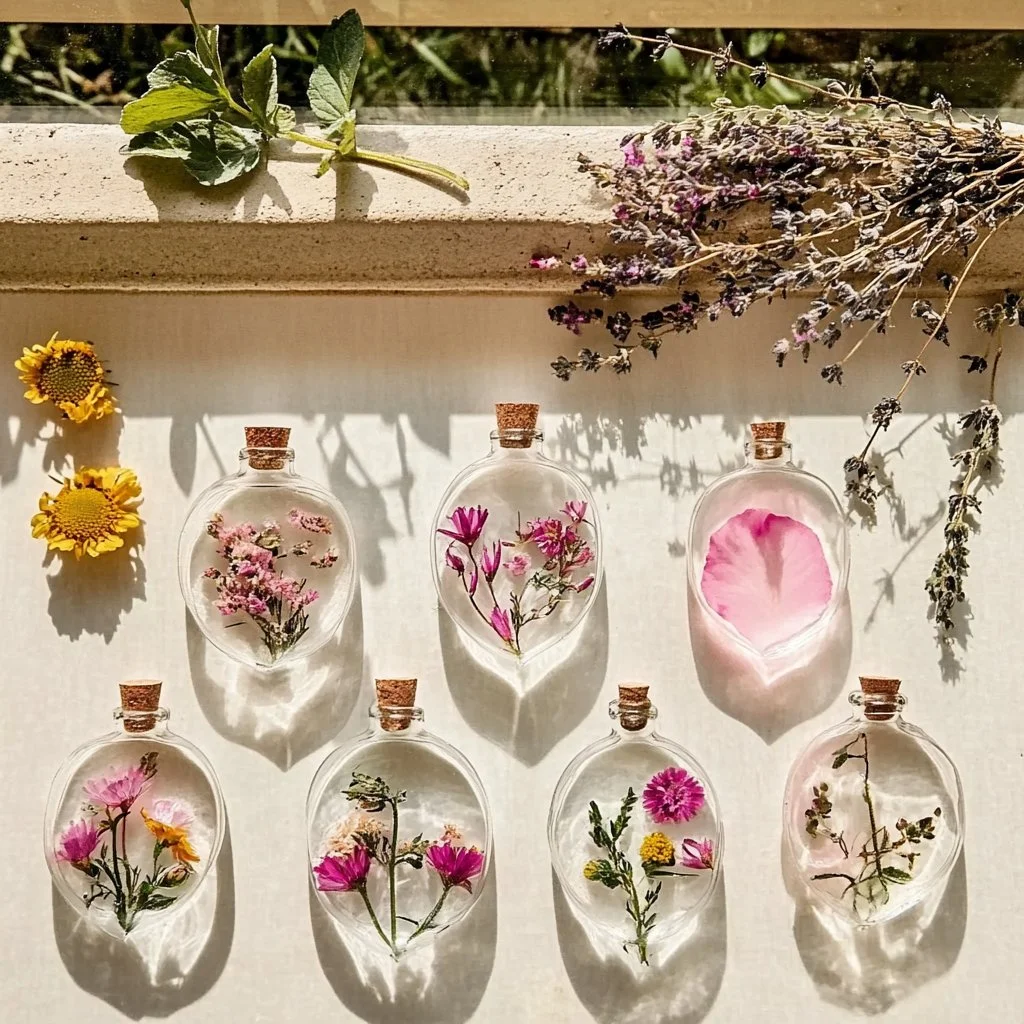
This project uses things you probably already have at home, so you can start without a list of specialty supplies. It comes together quickly, so a busy afternoon still feels relaxed and satisfying. The steps repeat well for multiple suncatchers, so older kids can help younger ones and everyone can make something they like.
The mix of kitchen science and crafting makes it dependable. The starch cooks into a flexible film, the vinegar helps the mixture set, and glycerin keeps it soft if you use it. These small, predictable chemistry cues make the results consistent, which feels good when you want a quick win. Cleanup stays easy because the work happens on parchment or a silicone mat; most bits peel away and the pan rinses clean.
A Quick Look Before You Begin
This project takes about 30 to 60 minutes from start to finish, mostly hands-off while things cool and dry. Setup takes five to ten minutes. Plan for at least an hour of drying time to reach a leathery feel, and up to 24 hours if you want a firmer finish.
Expect light mess. The mix is thick and sticky while warm, and it spreads like a very glossy paste. Have a wet towel nearby for spills. Young kids will need close supervision for the heating step and for handling hot film, so plan for an adult to manage the stove or microwave.
You will use one saucepan or a microwave-safe bowl per batch. You can make several small suncatchers from one batch by measuring the starch per suncatcher and mixing enough water and vinegar for the batch. Work on a flat table with parchment or a silicone mat so each finished piece peels off cleanly and dries flat.
Materials You’ll Need
1 tablespoon potato starch or cornstarch (per small suncatcher) – common pantry item
1 teaspoon white vinegar (per batch) – helps the film set
1 teaspoon glycerin (optional, per batch) – keeps pieces flexible, optional
3 tablespoons warm water (approximately, per batch) – warm helps dissolve starch
Parchment paper or silicone mat – nonstick surface for easy peeling
Leaves, petals, small feathers, thin paper, or pressed botanicals – choose flat items that press well
Small beads or fine glitter (optional) – for sparkle, optional and small
String, twine, or thin ribbon for hanging – simple hanging materials
These are deliberately simple supplies. If you do not have glycerin, the suncatchers still work; they just dry a little firmer. Pressed flowers and thin leaves work best because they sit flat and seal into the film.
STEP-BY-STEP DIRECTIONS
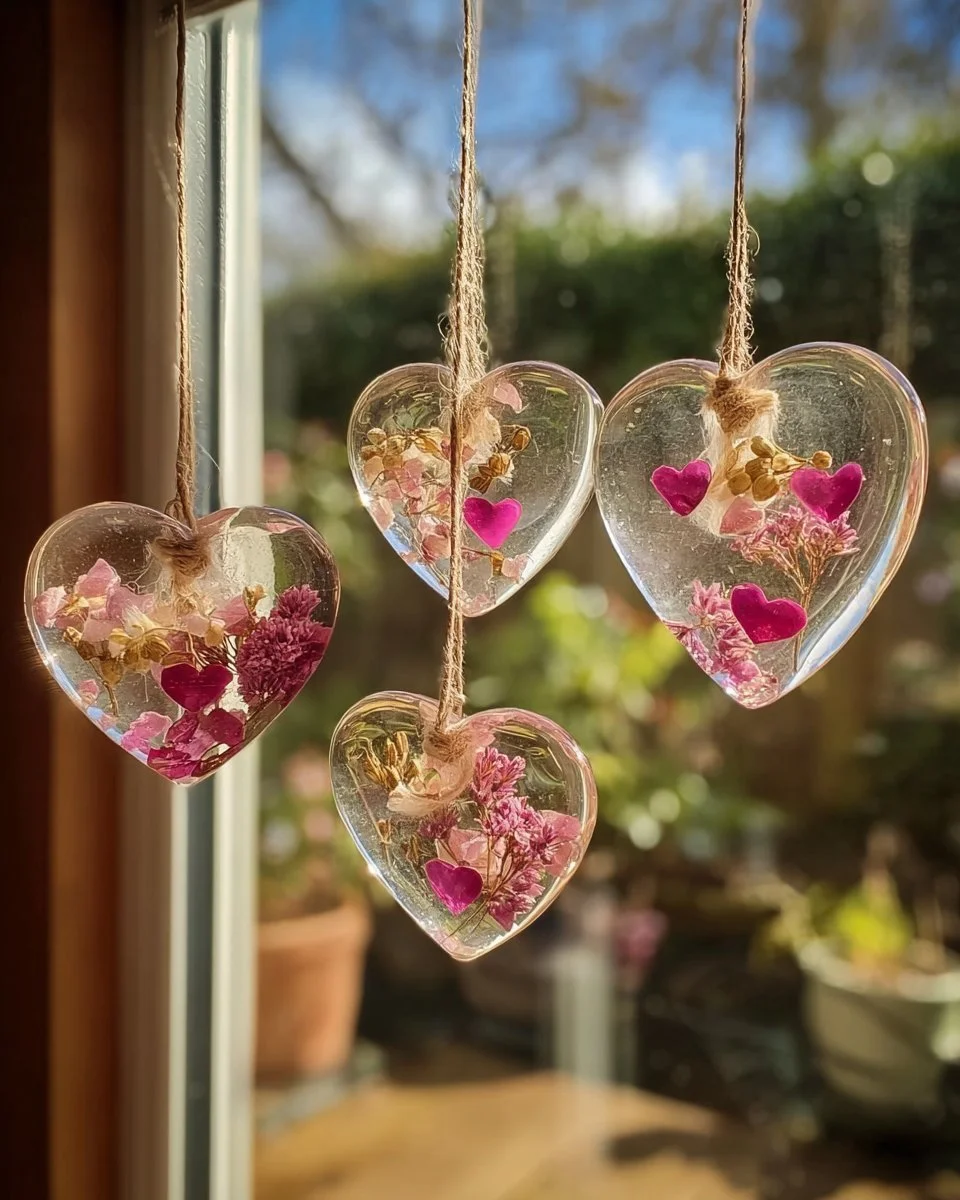
- Measure the starch and water into a small saucepan or microwave-safe bowl. Warm the water slightly so the starch dissolves easily.
Stir until the starch disappears and the mixture looks smooth, with no obvious lumps. - Add the vinegar and glycerin, stirring slowly until the mixture thickens.
You will see the mix go glossy and slightly more cohesive as the vinegar blends in. - Heat the mixture on low, stirring constantly, until it holds a ribbon when lifted.
This ribbon test means the drips from your spoon fall in a slow stream that holds shape briefly. - Let it cool slightly before pouring onto parchment and spreading it into a coin-like thickness.
Aim for the thickness of a coin or a thick pancake; too thin and the piece tears, too thick and it may take much longer to dry. - Arrange your botanicals on the warm film and press them in.
Work quickly while the film still feels pliable, smoothing items gently so they lie flat and seal to the surface. - If desired, make a hole for hanging with a skewer.
Poke the hole near the edge while the film stays warm but not scalding hot. - Let the suncatcher cool until leathery, then store it flat.
Cooling makes the piece easier to move without distortion; if you lift it too soon it can sag. - Once dry, trim edges and hang.
Use small scissors to tidy the outline and add string or ribbon through the hole to display.
What Kids Practice While Making This
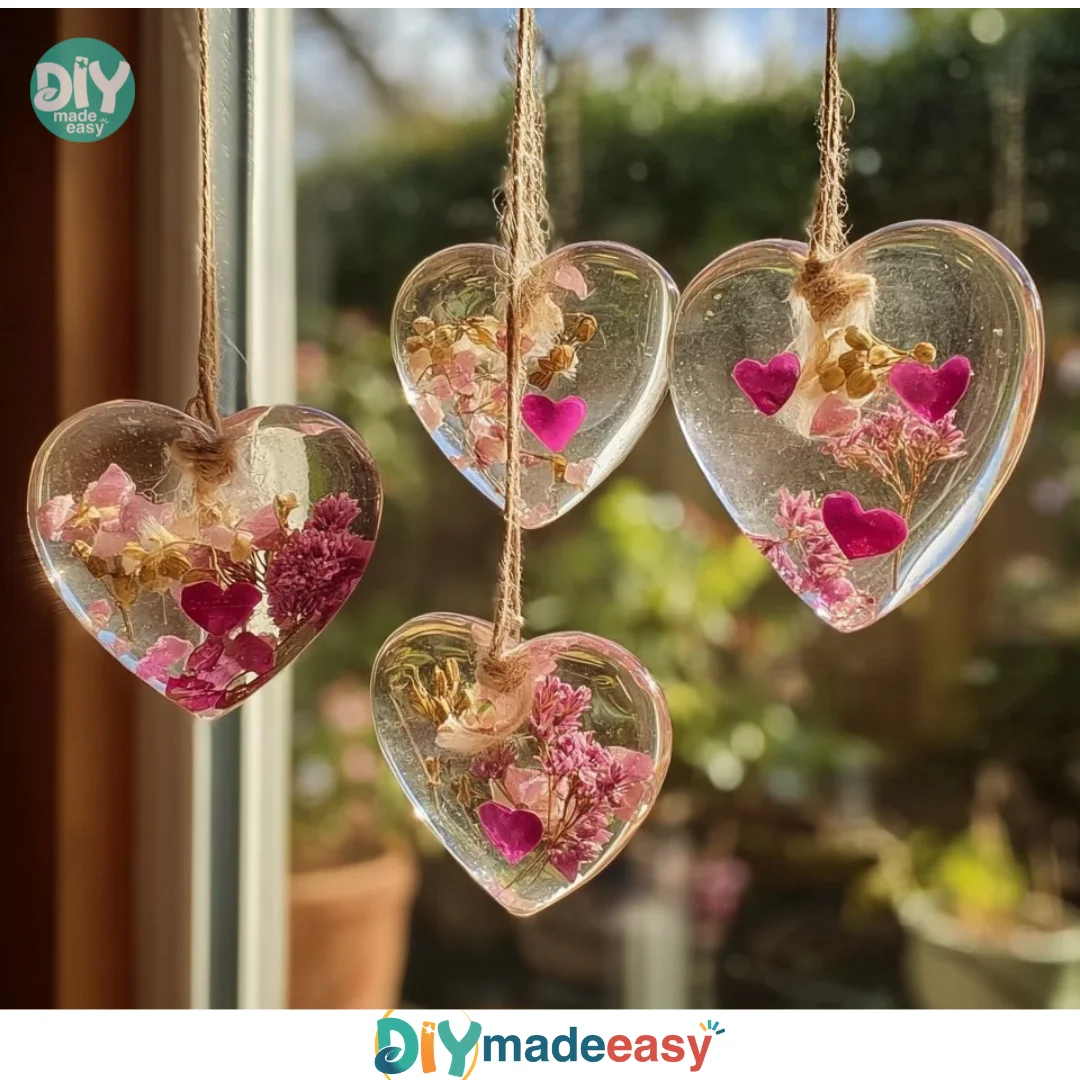
Children learn lots of small skills during this activity. Measuring and mixing teach careful pour-and-measure habits. Stirring and watching the mixture change build basic observation skills and patience. Arranging tiny leaves and beads develops fine motor control and hand-eye coordination.
This project also encourages decision making. Kids choose color, placement, and whether to add glitter or beads. They see cause and effect clearly: cook the starch and you get a film; skip a step and the piece might tear. That immediate feedback helps learning feel meaningful and fun.
Troubleshooting Common Issues
If the mixture stays lumpy, you probably did not warm the water enough before adding starch. Warm the water so the starch dissolves easily next time and whisk to break up small lumps.
If the film tears when you peel it, it may be too thin or removed too soon. Make the coin thickness a touch thicker, and wait until the piece feels leathery before moving it. A touch of glycerin in the mix can help by adding flexibility.
If the film bubbles while cooking, the heat is too high. Lower the stove and stir continuously. Small bubbles are normal as water evaporates, but big bubbles mean too much heat.
If botanicals darken or discolor, they may be damp or thick. Use pressed, dry materials when possible. Thin, flat leaves and petals stay truest to color.
Easy Variations to Try
- Seasonal themes. Use tiny evergreen clippings and red beads for a winter look, or pressed maple leaves for fall. This idea works well when kids gather small items on a walk.
- Layered colors. Make two thin films, let the first one cool slightly, add a few decorations, then pour a second thin layer on top to lock them in. Try this only after you feel comfortable with the basic single-layer process.
- Tiny frames. Pour the film in a ring shape and place botanicals only inside the ring. When dry, this creates a framed-in effect that looks polished.
- Add small beads sparingly. Place beads where they sit flush with the film surface so nothing sticks out and the piece hangs flat.
- Make a set for a window. Create coordinating colors and shapes that hang together for a balanced display.
These variations keep the core method the same while letting kids experiment. If a layered approach feels intimidating, stick with single-layer pieces until you get the ribbon test right.
Storing or Reusing This Project
If you make multiple suncatchers, store finished pieces flat between sheets of parchment in a shallow box until they fully harden. This keeps edges from bending.
Leftover mixture does not store well. Make only enough for the suncatchers you plan to form, and rinse the pan while the mixture is still warm; it comes off more easily than once it sets.
Save pressed botanicals in an envelope or folder so you can reuse them for future projects. Small beads and ribbons store easily in jars or muffin tins for quick access.
When you need to clean up, scrape off any stuck bits with a spatula and wash with warm, soapy water. A little soaking helps for stubborn residue.
FAQs About DIY Bioplastic Suncatchers
Will this be messy?
I worry about kitchen cleanup and little hands. This project has a manageable mess. The sticky mix stays on parchment or a silicone mat, so most spills are contained. Keep a damp cloth nearby and wash the pan right away while the mixture is warm. Expect hands to get a little shiny from glycerin if you use it, and plan for supervised cleanup for younger kids.
What age is this good for?
Is it safe? This is suitable for school-age children who understand basic stove safety. An adult should handle the heating and the hot film. The ingredients are common household items, but they are not for eating. Supervise so kids do not taste the mixture or touch the hot saucepan.
Can I substitute the starch or glycerin?
You can use either potato starch or cornstarch; both produce a film. Glycerin is optional; without it the suncatchers dry firmer. If you do not have glycerin, the pieces still look nice, but expect less flexibility. Do not substitute other unknown liquids; stick to warm water and white vinegar as listed.
How long do they take to dry?
Will they remain clear? Pieces feel leathery in an hour or two and can take up to 24 hours to firm fully depending on thickness and humidity. They will stay slightly cloudy or translucent, not perfectly glass-like. That soft transparency gives them a warm handmade look rather than a factory finish.
What if mine crack or curl while drying?
Cracking or curling comes from uneven thickness or pulling them before they set. Keep the thickness consistent and let them rest flat on parchment. If a piece warps, you can sometimes gently flatten it under a heavy book once it is mostly dry.
A Final Helpful Note
Take your time with the ribbon test and the cooling. Those two moments decide whether a suncatcher peels cleanly and hangs flat. If things go off-plan, treat them like a small experiment: note what you did, make one small change next time, and try again. The project rewards calm repetition and small adjustments. If you want a different crafty sun-catcher style, we also have an easy crayon suncatcher project with a colorful twist that uses a different melting method for bold results you can explore with slightly older kids.
Conclusion
Try making a few small pieces first to get a feel for the cooking stage and the coin thickness. When you see the mixture hold that ribbon and you smooth a pressed petal into place, the small victory feels real and simple. If you want another reference for how the chemistry looks in practice, the recipe at How To Make A Bioplastic Suncatcher – Chemistry for Kids shows a similar method with clear photos. For more botanical inspiration and display ideas, take a look at Botanical Bioplastic Sun Catchers – Wineberry Woods which highlights creative plant arrangements that work well in this format.
One small reminder: this is a kitchen science craft, not a permanent glass substitute. Expect charming, handmade results and a few learning moments along the way. Have fun, and enjoy the sunlight through your homemade suncatchers.
PrintDIY Bioplastic Suncatchers
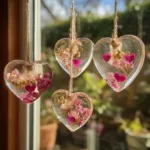
A fun and easy project for kids to create colorful bioplastic suncatchers using common household items.
- Prep Time: 10 minutes
- Cook Time: 15 minutes
- Total Time: 90 minutes
- Yield: 4 small suncatchers 1x
- Category: Craft
- Method: Cooking & Crafting
- Cuisine: N/A
- Diet: N/A
Ingredients
- 1 tablespoon potato starch or cornstarch (per small suncatcher)
- 1 teaspoon white vinegar (per batch)
- 1 teaspoon glycerin (optional, per batch)
- 3 tablespoons warm water (approximately, per batch)
- Parchment paper or silicone mat
- Leaves, petals, small feathers, thin paper, or pressed botanicals
- Small beads or fine glitter (optional)
- String, twine, or thin ribbon for hanging
Instructions
- Measure the starch and water into a small saucepan or microwave-safe bowl. Warm the water slightly so the starch dissolves easily.
- Stir until the starch disappears and the mixture looks smooth.
- Add the vinegar and glycerin, stirring until the mixture thickens.
- Heat the mixture on low, stirring constantly, until it holds a ribbon when lifted.
- Let it cool slightly before pouring onto parchment and spreading it into a coin-like thickness.
- Arrange your botanicals on the warm film and press them in.
- If desired, make a hole for hanging with a skewer.
- Let the suncatcher cool until leathery, then store it flat.
- Once dry, trim edges and hang.
Notes
This project is suitable for school-aged children with adult supervision. It helps develop various skills such as measuring, mixing, and fine motor control.
Nutrition
- Serving Size: 1 suncatcher
- Calories: N/A
- Sugar: 0g
- Sodium: 0mg
- Fat: 0g
- Saturated Fat: 0g
- Unsaturated Fat: 0g
- Trans Fat: 0g
- Carbohydrates: 0g
- Fiber: 0g
- Protein: 0g
- Cholesterol: 0mg