


A late afternoon, the kids restless and asking for a project, is the perfect time to set up a quick table experiment that looks like a treasure from the sea. DIY Crystal Seashells fit that moment: easy to gather, calming to watch, and surprisingly magical when the shells start to sparkle. Lay a towel on the table, pull out a few clean shells, and you can be watching the first tiny crystals form within hours while dinner simmers or homework waits. If you liked the color ideas from our turquoise version, you can try similar color accents with food dye to personalize each shell by checking one of our related color guides at turquoise crystal seashells.
Why You’ll Love Making DIY Crystal Seashells
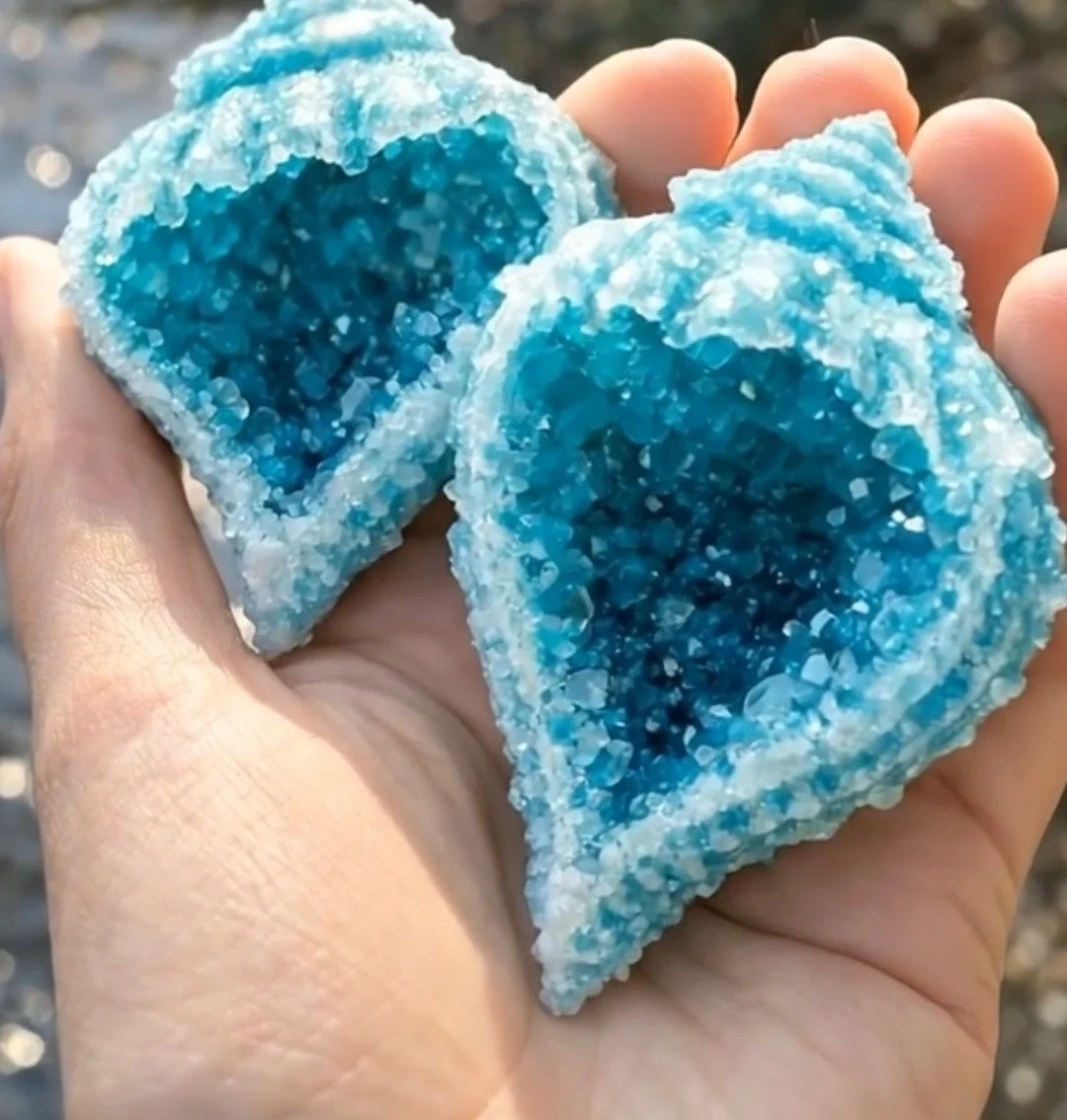
This project wins for the way it fits into real life. It takes only a few common items, a short hands-on setup, and then quiet waiting time. You do the fun stuff first and let the chemistry work while you fold laundry or read a book with the kids nearby.
It feels low-prep because most materials are things you already have or can buy cheaply. The jars are small, the recipe is forgiving, and the steps follow a clear order that even a busy parent can manage. You do not need perfect measurements to get pleasing results, which helps when little hands get involved.
It is approachable because the results are visible and satisfying. Tiny crystals grow slowly, and every stage looks interesting. Kids find it rewarding to check back and see change. Adults like that the cleanup stays simple if you protect the surface and use a tray.
It is reliable for a few reasons. Borax and alum both form crystals when water cools and the solution becomes saturated. That predictable chemistry makes the project repeatable. If one batch does not coat a shell fully, the fix is usually simple: make a new saturated solution and try again.
A Quick Look Before You Begin
This activity usually takes a bit of active time up front and then mostly patience. Setup and mixing take 10 to 20 minutes. Crystal growth can start in a few hours and often looks best after 24 to 48 hours. Plan for at least an afternoon or an overnight wait.
The mess level stays low if you work on a towel and use jars. A small spill can be wiped up quickly. Expect a few drips from the jar rim when you move it, and a bit of powder dust when you scoop borax or alum. A tray under the jars keeps cleanup very easy.
Adult involvement depends on age. Younger kids will need help with hot water and with tying string if you choose to suspend shells. Older kids can measure and stir with supervision. Safety matters for everyone. Wear gloves and goggles if you have them, and keep hot water handling to adults or older teens.
If you enjoy kitchen science projects in general, this one complements other simple experiments like growing a salt volcano. For a different kind of foamy, hands-on play you might try our shaving cream dough activity later on at DIY salt volcano science experiment.
Materials You’ll Need
Clean seashells, rinsed and dried
Common household item; pick shells free of sand and debris.
Borax powder or alum
Easy to find at grocery or craft stores; either works for crystals.
Hot water, just off the boil
Adult task to heat; use water that is very warm but not actively boiling when you pour.
Small glass jars or heatproof containers
Clear jars let you watch growth; small jars reduce the amount of solution needed.
Clear string or thin wire for suspending shells (optional)
Optional for full coating; thin fishing line works if you have it.
A spoon or stir stick
Common kitchen spoon or wooden stir stick to dissolve powder.
Food coloring or liquid dye (optional)
Optional for subtle color on the crystals; a drop or two is enough.
A tray or towel to protect your work surface
Protects your table from drips and makes cleanup simple.
Gloves and goggles for safety (recommended)
Recommended for handling hot water and powder.
A fine brush or soft cloth for gentle cleaning
Useful for removing stray crystal bits or dust when the shell is dry.
STEP-BY-STEP DIRECTIONS
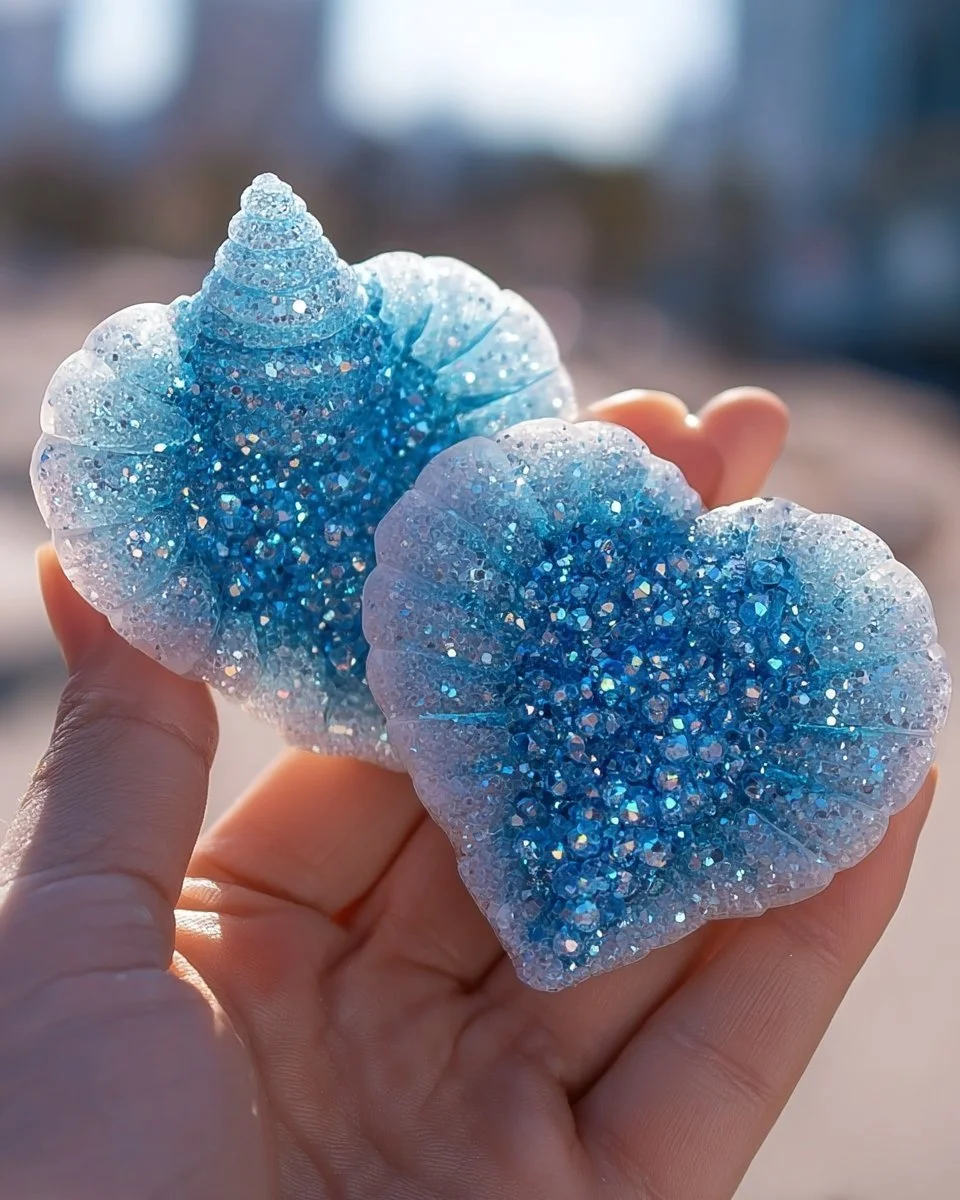
- Gather a calm workspace and lay down a towel.
Set up near a sink and place jars on a tray or towel to catch drips.
Put gloves and goggles nearby and keep curious pets out of the area. - Measure hot water into a jar to cover the shell completely.
Fill the jar with water just off the boil so you can safely hold the jar.
Make sure the water depth will fully submerge the shell or the part you want coated. - Add borax or alum slowly, stirring until dissolved. You want a saturated solution.
Spoon in powder a little at a time and stir until it stops dissolving easily.
A tiny amount of cloudy residue or a grainy bottom tells you it is very close to saturated. - Prepare the shell by rinsing and letting it dry.
Rinse shells to remove sand and salt, then let them air dry on a towel.
Dry shells help crystals cling to the surface rather than being pushed off by beads of water. - If suspending, tie string and hang the shell in the jar.
Tie a loop of clear string or thin wire so the shell sits where you want it.
Leave the shell hanging without touching the jar sides for even coverage. - Lower the shell into the solution and leave it undisturbed.
Gently lower the shell and steady the jar where it will not be bumped.
Close to a window is fine, but avoid direct sunlight or drafts that change temperature. - Watch for tiny crystals to appear in a few hours. When they look full, remove the shell and rinse gently in cool water.
Check after a few hours for small sparkles; if growth looks thin wait longer.
When the crystals look dense enough, lift out the shell and rinse briefly to stop further growth. - Let the shell dry on a paper towel or soft cloth until completely set.
Place the shell on a towel to dry fully; this may take several hours to overnight.
Use a fine brush to dust away loose crystal bits once dry for a neater finish.
The Simple Science or Skills at Work
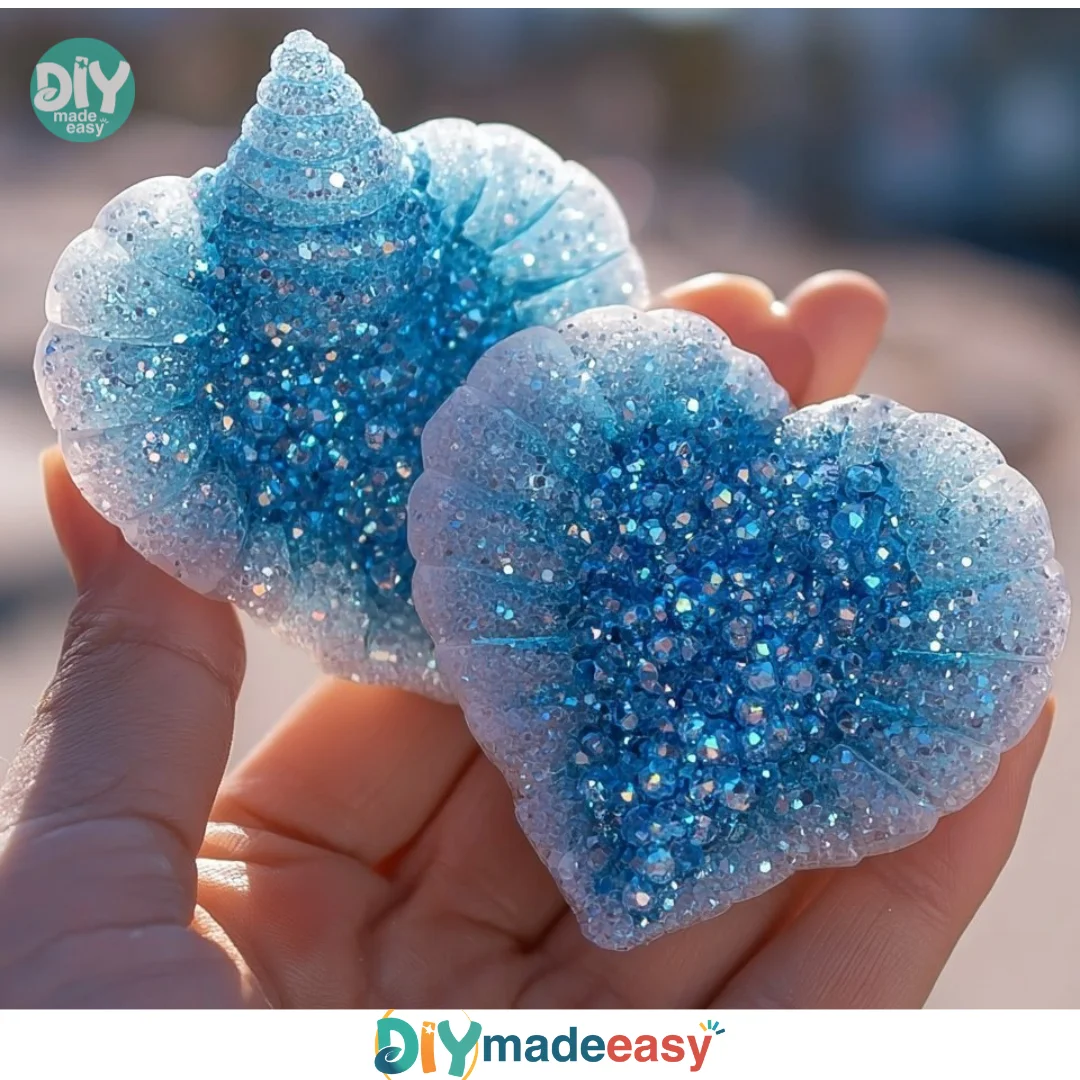
You will notice two simple forces at work. Hot water holds more dissolved borax or alum than cool water. As the solution cools and water evaporates, the extra material has to come out of the solution and it forms crystals on any surface it contacts.
Fine motor skills get a gentle workout. Tying string, steadying a shell, and stirring a hot jar all improve coordination. Watching growth builds patience and observation skills. Kids learn cause and effect in a very direct way: add powder, stir, let cool, and watch crystals form.
This project also encourages careful handling and safety habits. Pouring hot water with an adult, using gloves when needed, and protecting work surfaces are small lessons that transfer to many other kitchen projects.
Troubleshooting Common Issues
If little or no crystal growth appears the first day, check the solution. It may not be saturated enough. Make a fresh batch with slightly more powder and stir until you see undissolved particles or a faint cloudy layer at the bottom. That indicates saturation.
If crystals grow only on the string or wire but not on the shell, the shell may have too-smooth a surface or it was still wet in spots. Try a different shell with ridges or tiny pits where crystals can grab hold. Let the shell dry longer before submerging.
If crystals look patchy or uneven, the shell might have touched the jar sides. Make sure the shell hangs freely without contact. Small temperature shifts can also cause patchy growth. Move jars to a stable spot away from drafts and windows where morning sun can warm one side more than the other.
If the crystals are crumbly or fall off easily when dry, they may have formed too quickly or with too much agitation. Try letting the solution cool more slowly and avoid stirring once crystals start to appear. Gentle rinsing and longer drying time often firm them up.
If you see a white film or residue on the jar, that is leftover saturated solution. It wipes away easily with warm water and a cloth. Never scrape glass with sharp tools; soak and clean gently.
If the jar cracks or gets too hot to touch, the temperature was too high or the jar was thin glass. Use heatproof jars and pour water at a lower temperature, or let boiled water sit for a minute before pouring. Always start with caution and adult supervision.
Easy Variations to Try
Try a color wash. Add one or two drops of food coloring to the solution for faintly tinted crystals. Keep it light; strong dye can hide crystal texture.
Double-coat for depth. After your first round dries, place the shell in a fresh saturated solution for a second growth. You will see thicker, more sparkling crystals with each coat.
Use natural shapes. Try pairing tiny shells or crab claws for different crystal patterns. Small nooks trap solution and make interesting clusters.
Turn it into a simple ornament. Tie a loop that stays attached and let the shell dry completely. You can hang it on a shell display or a seasonal branch.
For a messy sensory twist, combine this with other hands-on crafts after crystal growth. If you want a soft, tactile project to follow up, consider our shaving cream play dough idea for a different kind of creative afternoon at DIY shaving cream play dough.
Storing or Reusing This Project
Once the shells dry and set, store them in a dry box or on a shelf where they will not get jostled. Crystals can be fragile, so avoid places where they will rub against other objects.
Reuse the solution carefully. If some powder settles but most solution is clear, you can reheat and add a bit more borax or alum to re-saturate it. Keep reusing a few times, but stop if the solution becomes too cloudy or contaminated.
Dispose of leftover solution down the sink with plenty of water if you cannot reuse it. Do not pour large quantities down a garden or onto soil. Wipe up small drips promptly to avoid residue on surfaces.
Save clean jars and any leftover string for the next batch. A small plastic container for tools keeps everything organized and makes it easier to set up again on a busy day.
FAQs About DIY Crystal Seashells
Will this make a big mess in my kitchen?
I do not want a long cleanup. You can keep the mess small. Work on a towel or tray, use jars with lids for mixing, and keep a damp cloth handy. Most spills wipe up easily. If some powder dust gets on the counter, sweep it into a small pile and wipe with a wet cloth. The biggest cleanup is rinsing the jars and letting them dry.
Are borax and alum safe for kids to use?
Both chemicals work well, but they require respect. They are safe to use with adult supervision and with gloves if you prefer. Do not let young children handle hot water or the powders alone. Keep fingers out of mouths and eyes. If ingestion occurs, call your local poison control for guidance. In practice, careful setup and supervision prevent problems.
How long until I see good crystals?
You will often see tiny crystals in a few hours and fuller coverage in 24 to 48 hours. Some shells with more texture can look great in one day. If growth seems slow, a second soak in a fresh saturated solution usually finishes the job.
Can I use seashells from the beach right away?
Rinse them well first to remove sand, salt, and organic material. Let them dry completely. If a shell has sticky residue or tiny bits inside, a gentle brush helps. Clean, dry shells give better crystal adhesion and a neater finish.
What if my crystals look dull or fall apart?
Dull crystals sometimes dry too quickly or form with agitation. Let the shell dry slowly in a draft-free spot. If bits break off, you can dust them away carefully with a fine brush and consider a second, gentler coating for a firmer appearance.
A Final Helpful Note
This project rewards patience and small, steady steps. Expect a little trial and error the first time. If one shell does not come out perfect, that is normal. The fun comes from watching change and trying again with what you learned.
Keep the setup simple on your first try: one jar, one shell, and a towel. Once you and the kids get comfortable, you can expand the activity to more shells, color touches, or double coatings. Celebrate small successes and use the experience as a relaxed science moment rather than a craft that must look flawless.
Conclusion
If you want a visual reference and more step photos, this project is similar to the clear guide at Crystal Seashells | DIY for Beginners – KiwiCo, which shows how crystals form on shells. For extra troubleshooting tips and a kid-friendly write up, see the helpful walk-through at Shell Crystal Craft – Little Bins for Little Hands.
PrintDIY Crystal Seashells

A fun and educational activity for families to create sparkling crystal seashells using common household items.
- Prep Time: 20 minutes
- Cook Time: 0 minutes
- Total Time: 48 hours
- Yield: 2-4 seashells
- Category: Craft
- Method: Crystal Growth
- Cuisine: N/A
- Diet: N/A
Ingredients
- Clean seashells, rinsed and dried
- Borax powder or alum
- Hot water, just off the boil
- Small glass jars or heatproof containers
- Clear string or thin wire for suspending shells (optional)
- A spoon or stir stick
- Food coloring or liquid dye (optional)
- A tray or towel to protect your work surface
- Gloves and goggles for safety (recommended)
- A fine brush or soft cloth for gentle cleaning
Instructions
- Gather a calm workspace and lay down a towel.
- Set up near a sink and place jars on a tray or towel to catch drips.
- Put gloves and goggles nearby and keep curious pets out of the area.
- Measure hot water into a jar to cover the shell completely.
- Add borax or alum slowly, stirring until dissolved. You want a saturated solution.
- Prepare the shell by rinsing and letting it dry.
- If suspending, tie string and hang the shell in the jar.
- Lower the shell into the solution and leave it undisturbed.
- Watch for tiny crystals to appear in a few hours. Remove the shell and rinse gently in cool water.
- Let the shell dry on a paper towel or soft cloth until completely set.
Notes
This project is safe with adult supervision, and it encourages patience and observation skills in kids. Consider using different shells for variety.
Nutrition
- Serving Size: 1 shell
- Calories: 0
- Sugar: 0g
- Sodium: 0mg
- Fat: 0g
- Saturated Fat: 0g
- Unsaturated Fat: 0g
- Trans Fat: 0g
- Carbohydrates: 0g
- Fiber: 0g
- Protein: 0g
- Cholesterol: 0mg