


A busy afternoon, a last-minute idea to keep kids happily occupied, and a kitchen counter that already holds a cup of hot tea. That is how many of our best family projects begin, and that is exactly the kind of moment that makes the Crystal Growing Experiment a perfect pick. It asks for a small setup, a little attention, and everyday pantry goods, and it gives back bright, shiny crystals and a lot of “wow” moments. If you like small kitchen experiments like our balloon baking soda experiment, you will see this one fits right into quick afternoons and curious minds.
Why This Crystal Growing Experiment Works So Well
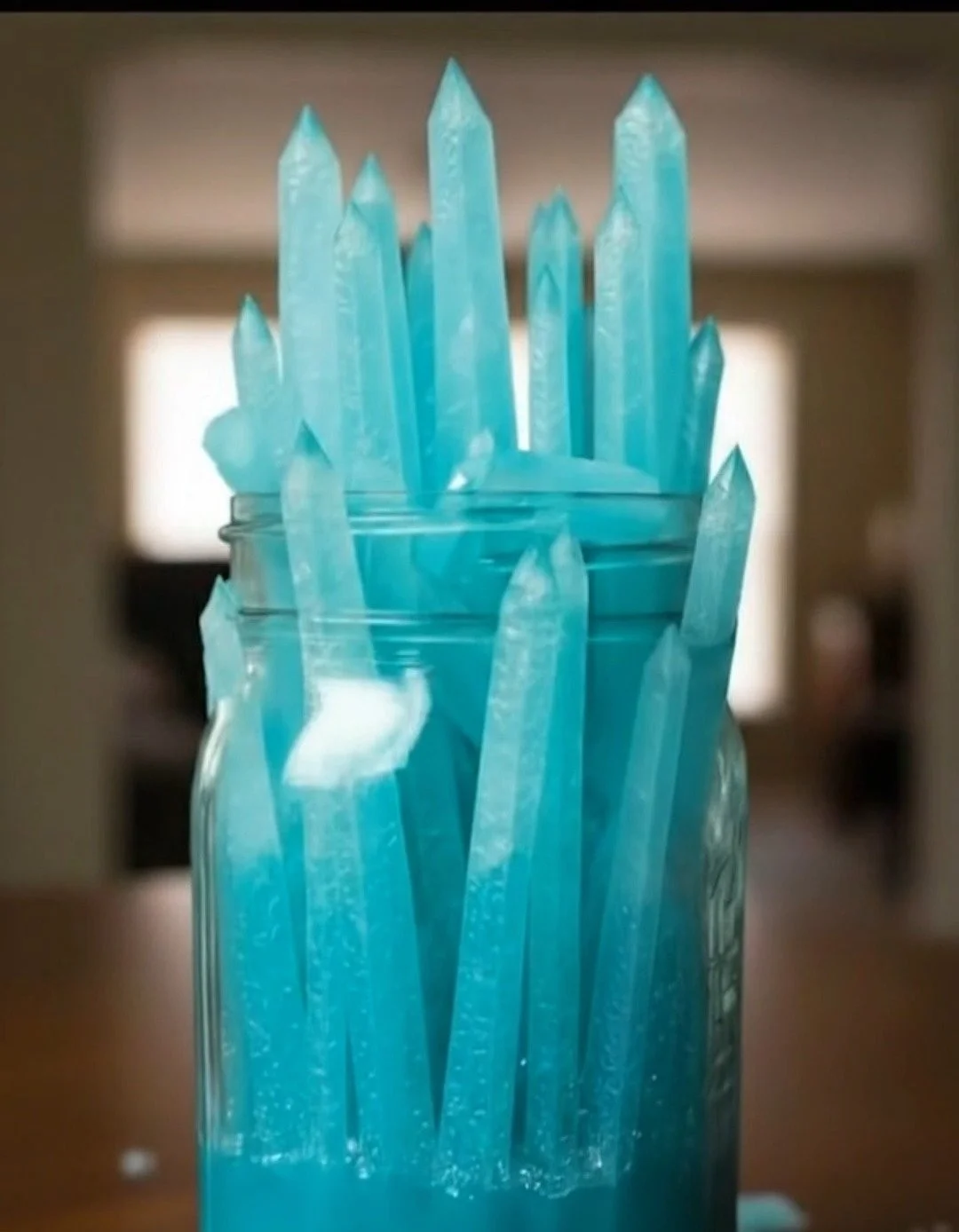
This project works because it uses simple chemistry that you can see with your eyes. Warm water holds more of the room ingredient, whether you pick alum, Borax, sugar, or baking soda. As the solution cools, the substance loses the extra space it had in the warm water and begins to arrange itself into crystal shapes. You get neat results without special tools or a long shopping list.
This experiment stays low-prep because most families already have everything at home. You do not need a lab, and you do not need constant supervision once the jar sits quietly. It also stays approachable. The steps repeat across the different substances: dissolve, cool, suspend a surface for crystals to form on, and wait. You can expect reliable results in a matter of days with clear visual change and a low chance of total failure.
This activity also fits real-life schedules. You set it up in 20 to 30 minutes and then check back each day. The casual pace lets kids return and notice changes without pressure. If you must pause or step away for an evening, the experiment tolerates it. The materials keep well enough to try again if the first batch does not yield the exact shapes you hoped for.
A Quick Look Before You Begin
Before you start, picture the flow: short setup, a little stirring, then patient watching. The whole hands-on part takes a half hour at most. The waiting part takes several days. You do not need full adult focus once the jar sits, but an adult should handle the hot water and pouring.
The setup makes only a small mess if you use a paper tray. Expect a few drips when you pour the hot solution, and a bit of white dust from the powders if you scoop them roughly. You can manage both with a damp cloth and a quick rinse. The clean up stays simple because none of these materials stain like paint or food dye.
If you want to make this a learning routine, plan to record notes and draw shapes each day in the small notebook. Kids like to tick off days and sketch how crystals change. That little ritual makes the slow growth feel exciting and keeps the project on the table without becoming a chore. If you enjoyed hands-on science before, try this instead of or after your other projects for a gentle variety, just like our DIY salt volcano science experiment often does.
Materials You’ll Need
Warm water
common household item
Alum powder or Borax or Sugar or Baking soda
pick one; each makes different crystal styles
String or cotton thread
thin, clean thread works best
Pipe cleaners or small twigs (optional)
optional for shapes and armatures
Clothespins or chopsticks
for suspending the string
Labels and a small notebook
label jars and write daily notes
Paper or tray
protects the surface and catches drips
STEP-BY-STEP DIRECTIONS
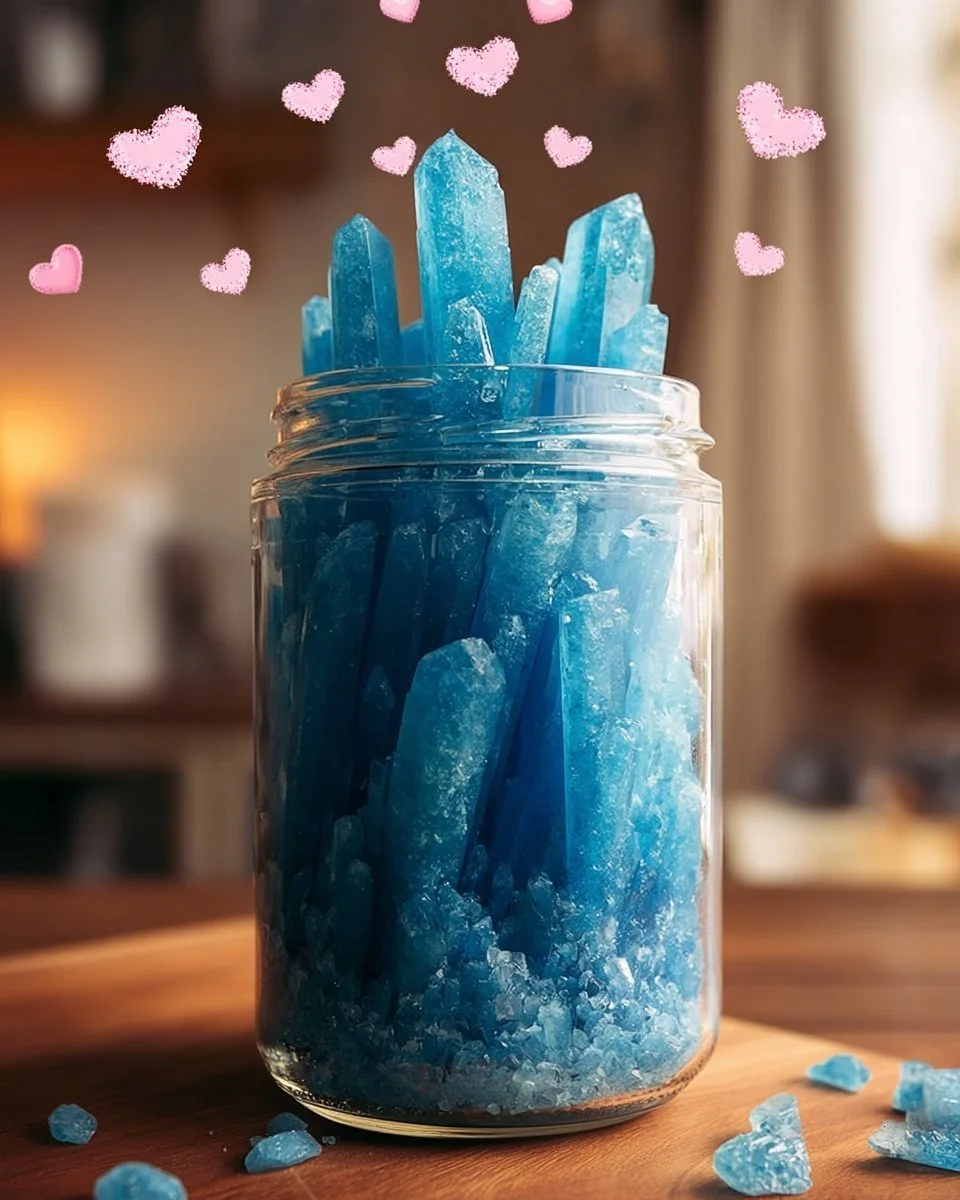
- Prepare your workspace and lay down a paper tray.
Choose a calm counter or table and keep the tray under your jar to catch spills.
Label the jar and notebook so you remember which solution you made. - Heat water until hot but not boiling, and pour it into a heatproof bowl.
Use the stove or a kettle and stop when it steams but before it boils.
Pour carefully to avoid splashes and protect small hands. - Slowly add your chosen substance while stirring until dissolved.
Add the powder a spoonful at a time and stir gently so the water clears.
Watch for a smooth, uniform liquid and no gritty bits at the bottom. - Test saturation and add small pinches of the substance until no more dissolves.
Drop in tiny pinches and stir; when one sits undissolved a moment, you are close.
This small extra makes the solution super saturated so crystals can form. - Skim any solids from the surface and pour the clear solution into your jar.
Use a spoon to remove floating bits and pour with a steady hand.
Aim for a clear solution so crystals grow from the string, not from lumps. - Prepare a string or pipe cleaner shape and suspend it in the jar without touching the sides.
Tie the string to a clothespin or lay a chopstick across the top and let the string hang down.
Make sure the string floats in the middle and does not touch the jar walls. - Cover the jar loosely with a paper towel and place it in a calm spot with indirect light.
Keep it away from drafts and direct sun to avoid rapid evaporation or uneven growth.
A kitchen shelf or quiet windowsill works well. - Check daily for growth, and if a crust forms, gently remove it.
Look for tiny sparkles and small clusters on the string each day.
If a crust forms on the jar rim, lift it off with a spoon to let new crystals keep forming. - After several days, carefully lift the armature and rinse with cool water to clean.
Hold it over the tray and lift slowly so loose crystals do not fall apart.
Rinse gently to reveal the clearer crystal shapes beneath. - Document your observations in the notebook.
Write the day, what you see, and any size measurements or sketches.
Note which substance you used so you can compare future attempts.
The Simple Science or Skills at Work
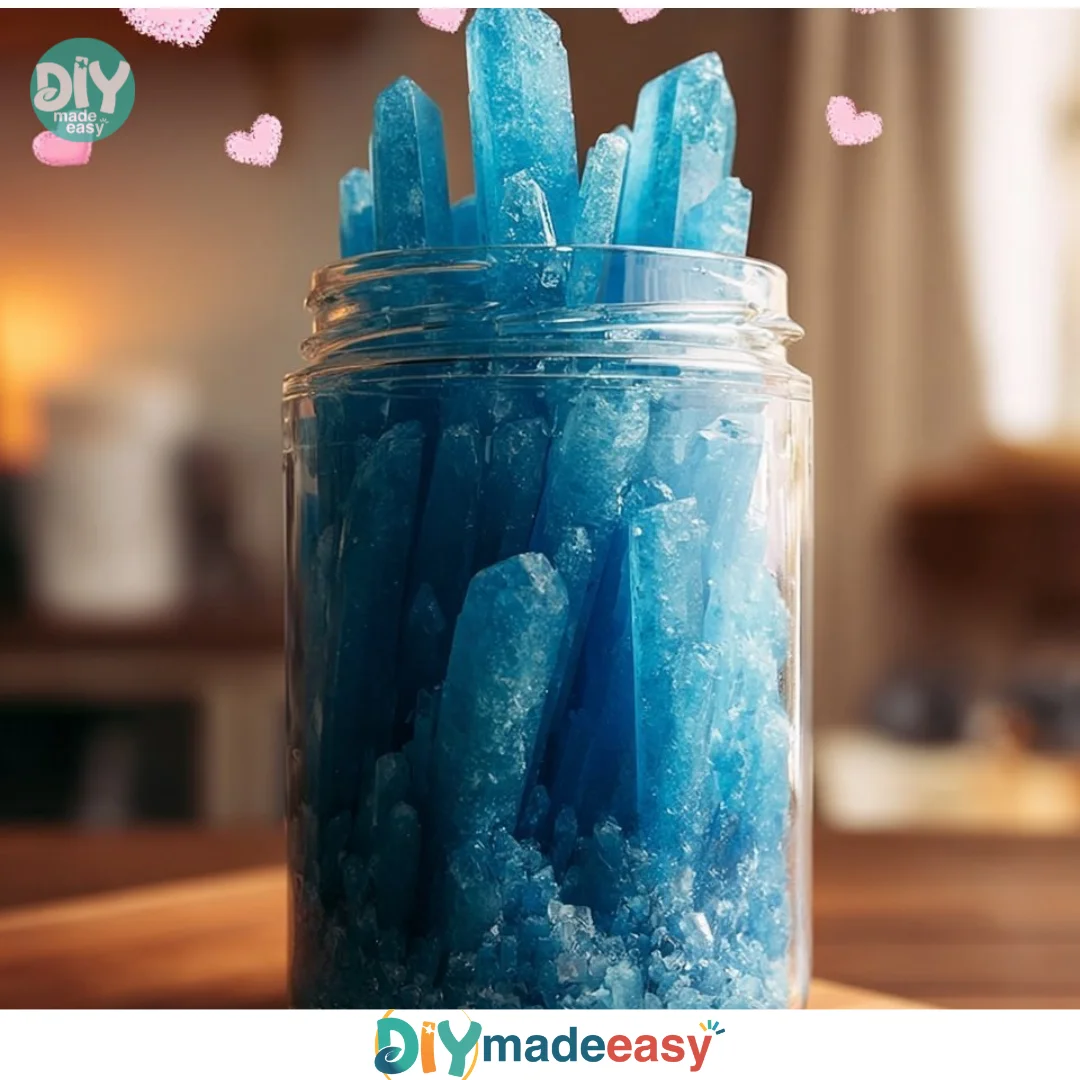
This project teaches simple cause and effect. Warm water holds more dissolved material. When it cools, the excess comes out of solution and forms solid patterns we call crystals. You watch a physical change that you can see and touch.
Kids practice careful measuring and gentle stirring. They learn to test a solution by watching how the powder settles. Those small actions build fine motor skills and patient observation. Tying a string and balancing a clothespin also improves hand-eye coordination and planning.
The experiment also shows how small changes make big differences. A little extra powder, a slightly cooler spot, or a string that brushes the jar can change the shape and speed of growth. That idea transfers to other hands-on projects and everyday problem solving.
Troubleshooting Common Issues
If your solution stays cloudy, you probably did not dissolve enough powder. Warm it again, stir longer, and try skimming off any floating bits before you pour. A clear solution gives cleaner crystals.
If crystals form only on the jar wall, the string may have touched the side or you may have placed the jar in a draft. Reposition the string so it hangs freely and move the jar to a calmer spot. If that does not fix it, try a fresh batch and support the string closer to the center.
If you get a thin white crust on top, remove it gently with a spoon. That crust forms when too much evaporates from the surface. Covering the jar loosely and placing it out of direct sun helps prevent that. If the crust keeps returning, you can try to reheat a small portion of the solution and remix, but usually starting a new jar gives the best result.
If crystals form but look small or sparse, you might not have reached full saturation. Warm the water a bit more, dissolve more powder until you see a tiny amount of undissolved particles, and then pour. That extra saturation fuels stronger growth over the following days.
Easy Variations to Try
Try different substances and compare. Alum and Borax tend to make bright, well-defined crystals. Sugar gives more delicate, smaller crystals. Baking soda makes softer, chalky crystals. Make two jars side by side so kids can compare shapes each day.
Make a simple armature from pipe cleaners. Twist them into stars, letters, or spirals and suspend the shape in the jar. The wire lets crystals grow in unusual patterns and gives instant dramatic shapes when you lift them out.
Use a twig as a natural frame. A small twig gives uneven textures that encourage crystals to pile up in pretty clusters. Make sure the twig sits clean and dry before you suspend it so nothing dissolves into the solution.
Try layering colors for older kids. If you like a little safe color, dissolve a tiny pinch of food coloring into a separate small portion of solution and dip a tiny tip of the string in, then resume. The colored tip may encourage growth in streaks. Keep color small so the solution stays clear overall.
Seasonal twists. Make a snowflake-shaped pipe cleaner armature in winter or a star for holiday displays. A small jar of crystals makes a lovely shelf accent for a few weeks.
Storing or Reusing This Project
If you want to keep the crystal armature, let it dry fully on the tray and store it in a small box or display case. Crystals can be fragile, so wrap them in tissue if you plan to store them.
You can dissolve crystals back into hot water to reuse the material. Gently heat them in a bowl of hot water and stir until they dissolve. That lets you try another shape with the same powder if you do not want to buy more supplies.
Keep your jars labeled and rinse them well after you finish. Alum and Borax can leave residues. Rinse the jar several times and wash with warm soapy water before using it again for food or drink.
If you plan to repeat the project, reuse the clothespin and chopsticks but replace the string each time. Old strings pick up small crystals and change how new growth starts. A fresh string gives a clean surface for new crystals.
FAQs About Crystal Growing Experiment
Will this make a big mess?
You might see a few drips and a little powder dust while you scoop and stir. Lay down the paper tray and keep a damp cloth nearby. I have set this up many times and the cleanup takes five minutes. If a spill dries, a wipe with a damp cloth removes the residue easily.
Is this safe for young kids?
The experiment uses common household powders. An adult should handle the hot water and the mixing steps. For safety, keep toddlers away from bowls of hot water and small amounts of powder that they could taste. I recommend this for school-age kids with adult supervision for the hot parts and simple checks as the jars mature.
What if I do not have alum or Borax?
Can I use sugar or baking soda? Yes. Sugar and baking soda work and they create different crystal textures. Sugar crystals can take longer and look sparkly and fine. Baking soda yields softer, less defined crystals. Try one or two jars with different materials to see which style you like best.
How long will it take to see results?
You should see tiny crystals within 24 to 48 hours. Noticeable clusters grow over several days. The largest, most defined crystals often show up after three to seven days. If you want a faster result, increase your saturation slightly, but be careful not to overfill the solution.
Can I keep the crystals as decorations?
Yes. After you lift and rinse the armature, let it dry fully on the tray. Crystals can make pretty shelf accents for a few weeks. They may lose a bit of sparkle over time if handled often. Store them in a dry box to keep them neat.
A Final Helpful Note
This project rewards patience more than precision. Small adjustments change the shapes and speeds, and that variation makes each jar special. If a batch does not create perfect crystals, view it as an experiment worth learning from. Tidy up the tray, note what you tried, and try again. The process gives good practice in observing, testing, and improving every bit as valuable as the glittery final piece.
Conclusion
If you want a ready-made kit to compare your homemade results and get extra display cases, check this detailed option: 4M 7 Crystal Growing Science Experimental Kit with Display Cases. For more ideas about colorful crystal projects and kid-friendly experiments to pair with this activity, this resource offers simple guides and bright examples: Colorful Crystals Science Experiment.
PrintCrystal Growing Experiment
A fun and educational hands-on science project for kids to grow crystals using simple household ingredients.
- Prep Time: 30 minutes
- Cook Time: 0 minutes
- Total Time: 7 days
- Yield: 1 jar of crystals
- Category: Science Experiment
- Method: Crystal Growing
- Cuisine: N/A
- Diet: N/A
Ingredients
- Warm water
- Alum powder or Borax or Sugar or Baking soda (pick one)
- String or cotton thread
- Pipe cleaners or small twigs (optional)
- Clothespins or chopsticks
- Labels and a small notebook
- Paper or tray
Instructions
- Prepare your workspace and lay down a paper tray.
- Heat water until hot but not boiling, and pour it into a heatproof bowl.
- Slowly add your chosen substance while stirring until dissolved.
- Test saturation and add small pinches of the substance until no more dissolves.
- Skim any solids from the surface and pour the clear solution into your jar.
- Prepare a string or pipe cleaner shape and suspend it in the jar without touching the sides.
- Cover the jar loosely with a paper towel and place it in a calm spot with indirect light.
- Check daily for growth, and if a crust forms, gently remove it.
- After several days, carefully lift the armature and rinse with cool water to clean.
- Document your observations in the notebook.
Notes
Keep the jar away from drafts and direct sunlight for optimal growth. Record daily observations to track progress.
Nutrition
- Serving Size: N/A
- Calories: 0
- Sugar: 0g
- Sodium: 0mg
- Fat: 0g
- Saturated Fat: 0g
- Unsaturated Fat: 0g
- Trans Fat: 0g
- Carbohydrates: 0g
- Fiber: 0g
- Protein: 0g
- Cholesterol: 0mg