
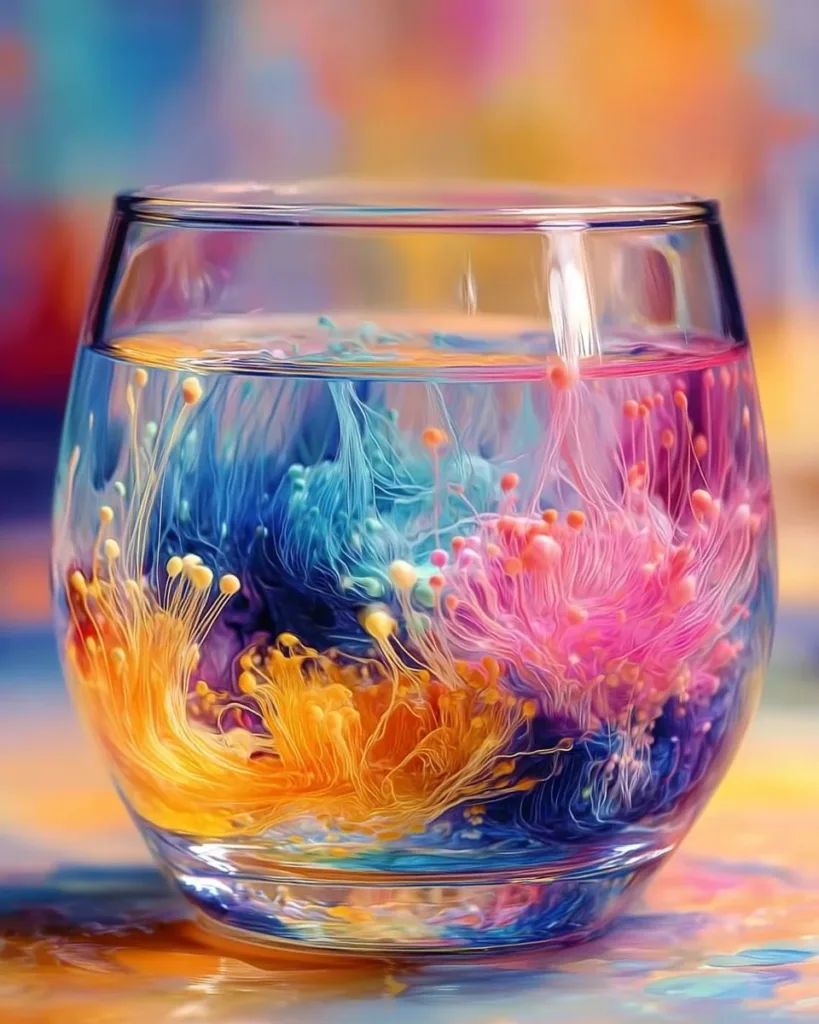
A late-afternoon stretch of quiet, a kitchen counter cleared for snack time, and three small voices asking for something to do now this is the moment Fireworks in a Cup fits perfectly. This quick, colorful activity needs only a few things you probably already have, and it turns a busy minute into a bright, hands-on surprise. If you want another fizz-and-color idea for a rainy day, try our baking soda and vinegar fireworks activity for a different kind of pop: baking soda and vinegar fireworks.
Why This Fireworks in a Cup Works So Well
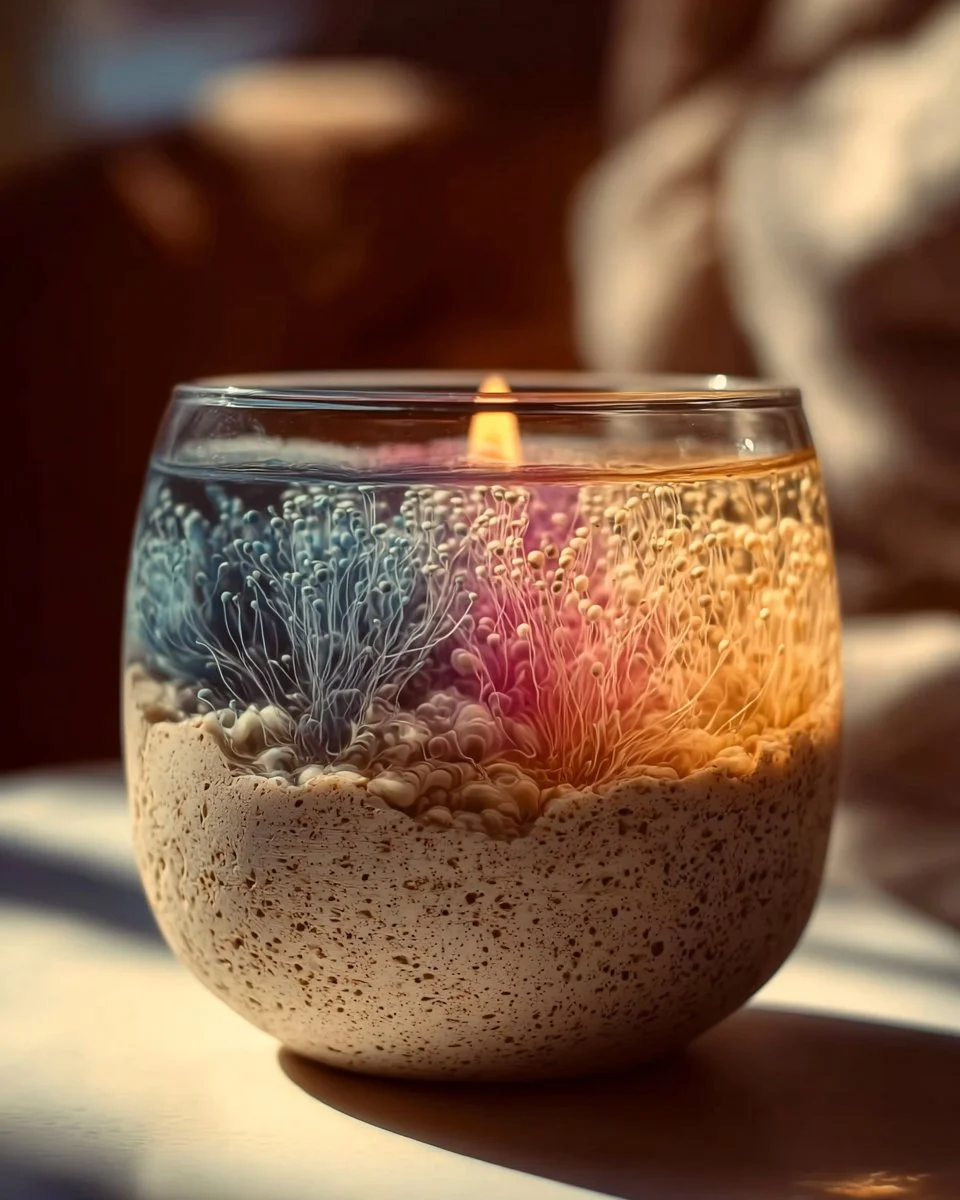
This project keeps things low-prep. You set out one cup, pour a little water, add a thin layer of oil, and drop in a few spots of food coloring. That is it. No bowls to mix, no complicated timing, and no special tools that you have to hunt down.
It feels approachable because kids can help at every step. They measure water with a regular cup, choose the colors, and watch drops travel. The results show immediately, which makes it satisfying for short attention spans and for adults who want a tidy, fast activity.
This experiment proves reliable on busy days. It works with small messes, mostly contained to the cup. You will sometimes get a stray drop on the counter, but that cleans up quickly with a paper towel. When you need a short, joyful science moment, this fits into the flow of the afternoon without derailing plans.
A Quick Look Before You Begin
This activity takes about 10 to 15 minutes from start to finish. Setup takes two to five minutes. The actual “fireworks” happen in less than a minute once you add color drops.
Expect a low to medium mess level. Most action stays inside the cup, and oil and food coloring are the main cleanup targets. A shallow sink wash and a paper towel usually do the job.
Adult help is light. Young children will need supervision for pouring and handling the food coloring. You can let older kids work mostly on their own while you prep the next snack or sit nearby to enjoy the colors with them.
Materials You’ll Need
Clear cup or glass
common household item; clear works best to see the colors
Water
tap water is fine
Vegetable oil
common household item; light vegetable oil or sunflower oil work well
Food coloring
liquid food coloring in several colors
Dropper or small spoon
easy substitute: a small kitchen spoon works if you do not have a dropper
Paper towels
for quick cleanup
Optional: tray or placemat
budget-friendly; helps catch any spills and makes cleanup simpler
If you want to try a different take on candy and color, our rainbow sugar experiment gives another slow-and-happy pattern of color that uses different materials: Fireworks Rainbow Sugar Explosion.
STEP-BY-STEP DIRECTIONS
- Pour water into the clear cup until it is about three-quarters full.
You will see the water line clearly if you use a clear cup. Cold or room-temperature water both work. - Pour a thin layer of vegetable oil on top of the water.
Pour slowly so the oil floats and forms a separate layer. The oil should sit on top and not mix with the water. - Prepare your food coloring drops on the table or hold a dropper ready.
Squeeze a few drops of each color into small dishes or keep the food coloring bottles handy. Bright colors show best. - Add one drop of food coloring to the oil layer and watch closely.
The drop sinks slowly through the oil and then bursts into colorful streaks when it hits the water. You will see the color form “sparks” that move away from the drop. - Add more drops a few seconds apart to build a fireworks effect.
Try different colors near each other to see how they spread and blend. Pause between drops so each color has time to show. - When you are finished, tip the cup gently into a sink and rinse with warm water.
Use dish soap to remove oil residue. Wipe the work area with paper towels and a little dish soap if any food coloring got on the counter.
The Learning Behind This DIY
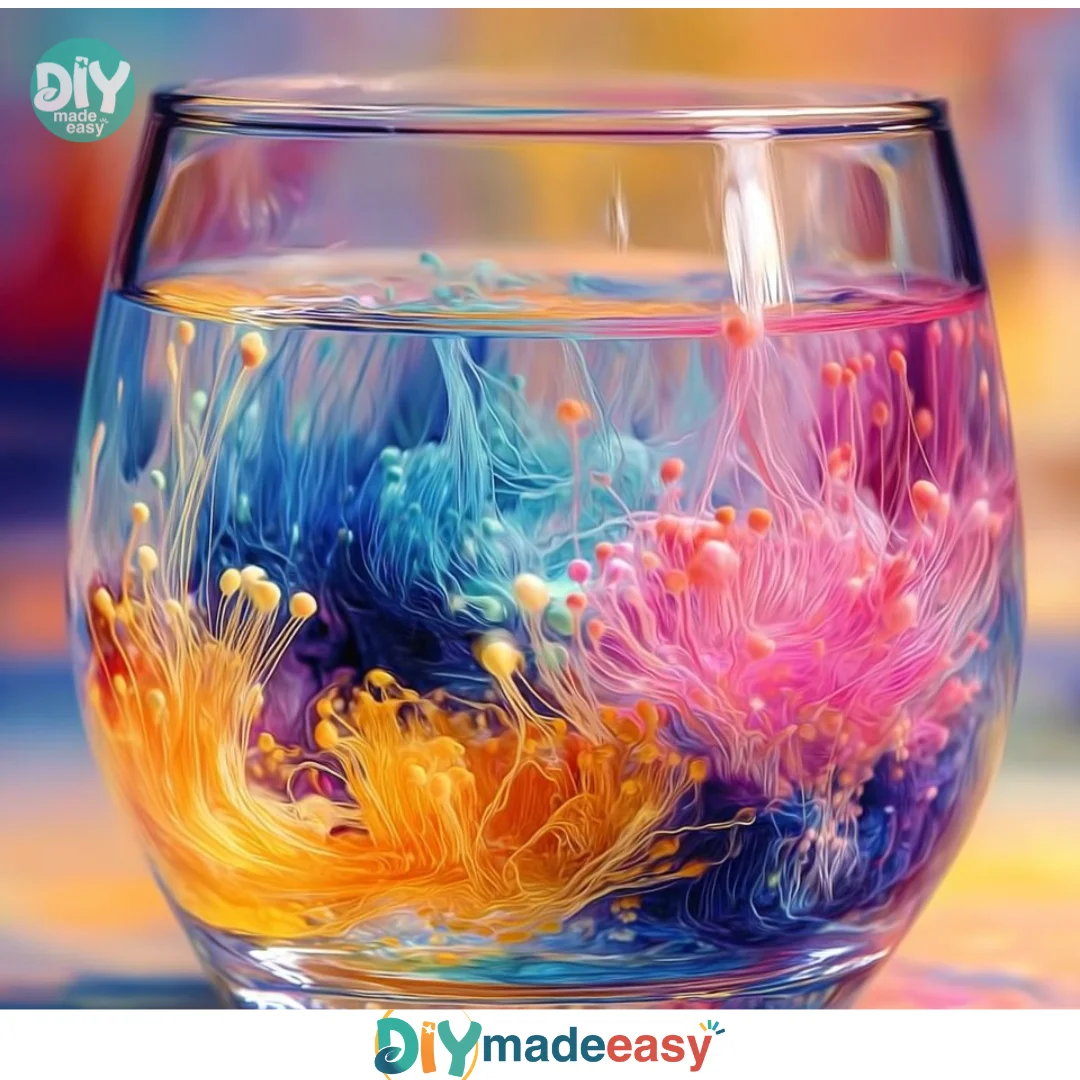
This experiment shows simple density and mixing behavior in a friendly way. Oil and water do not mix because oil molecules do not bond with water molecules. Oil floats on water because it is less dense. Food coloring is water-based, so it passes through the oil and then spreads out in the water.
Kids also practice careful pouring, steady hands, and watching closely. They learn cause and effect as they test different drops and see how color moves. The activity encourages prediction too: ask a child what they think will happen before the drop hits the water, and then compare the prediction to the result.
For fine motor work, squeezing a small food coloring bottle or using a dropper helps children develop finger strength and precision. For older kids, you can challenge them to create a color pattern or count how many “bursts” one drop makes before it fades.
Troubleshooting Common Issues
Problem: The coloring just floats on top and doesn’t form fireworks.
Why it happens: If you use more oil than water, the oil layer can be thick enough that food coloring will not easily pass through. Also, some thick oils or colored syrups can change the effect.
Fix: Add a little more water to raise the water layer and tilt the cup gently to help the drops pass through the oil. Use standard vegetable oil rather than thicker oils.
Problem: Drops spread slowly and the effect looks weak.
Why it happens: Room lighting, weak food coloring, or a very calm container can make the bursts look softer.
Fix: Use brighter food coloring and try tapping the glass lightly after the drop falls to encourage movement. A shallow tray under the cup reflects light and helps the colors pop.
Problem: Too much mess from spilled drops or oil.
Why it happens: Little hands squeeze too hard, or the dropper slips.
Fix: Put the cup on a tray or a baking sheet before starting. Use a dropper with a gentle squeeze or let an adult handle the drops. Keep paper towels within reach.
Problem: Colors muddle into brown or gray when mixed.
Why it happens: Mixing too many colors too close together will create muddy tones.
Fix: Space the drops out and wait to see each color fully form before adding another. If you want color mixing behavior, plan specific combinations (like blue and yellow together) so the result looks purposeful.
Easy Variations to Try
Soft sparkles: Add a tiny pinch of glitter to the oil before you pour it onto the water. The glitter stays mostly in the oil and catches the light as the colors fall.
Layered colors: Pour the water halfway, add a thin oil layer, then add a second, shallower layer of water colored lightly with one food dye. Drop different colors into the top oil and watch how they interact with the middle colored water.
Cup family challenge: Give each child a cup and a limited number of drops. Ask them to make a pattern or recreate a simple design like a star by planning color placement before dropping.
Slow-motion video: Record the drops with a phone camera in slow motion. Kids can watch the movement frame by frame and notice details they missed with the naked eye.
Add motion: After a few drops, gently swirl the cup to see how the colors move in a current. This changes the effect and feels like a small storm of fireworks.
Storing or Reusing This Project
Most materials you use here are reusable. Save any unused oil and food coloring in their original bottles. If you have a tray under the cup, rinse it and keep it for future experiments.
If you plan to repeat the activity, wipe the cups with dish soap before the next use to remove oil residue. If a cup retains color staining, soak it in warm soapy water for a few minutes before washing.
To reduce waste, use a washable dropper instead of disposable pipettes. Use washable table mats or a dedicated plastic tray to avoid single-use paper protection. If you use glitter, collect it on a tray and funnel it back into a jar to avoid spreading glitter around the house.
FAQs About Fireworks in a Cup
Will this make a huge mess on my countertops?
I have little kids who get excited and spill things.
It can be tidy when you set it up right. Put the cup on a tray or baking sheet and have paper towels ready. Help the youngest kids with the drops and let older kids work more independently. Small spills are normal; oil and food coloring usually wipe up easily with a damp cloth and a little dish soap.
Is this safe for preschoolers?
Do I need to worry about swallowing or stains? Supervision matters. Food coloring and vegetable oil are not toxic in the tiny amounts used here, but they will stain skin and clothes. Keep a wet cloth nearby and have kids wear aprons or old shirts. For toddlers who still put things in their mouths, an adult should handle the drops and let the child watch.
Can I substitute anything if I do not have food coloring?
Food coloring gives the best bright bursts because it is water-based and shows contrast against the oil. If you do not have it, you can try a few drops of a bright, thin juice that is mostly water, though the colors will be weaker. For a different spin, you might like our sugar-and-vinegar fireworks recipe that uses pantry ingredients and gives a different kind of reaction: sugar and vinegar fireworks.
Why didn’t my colors spread very far?
I expected more dramatic fireworks.
This can happen if the oil layer is too thick, the water is too still, or the food coloring is weak. Try using a thinner oil layer, brighter food coloring, or slightly warmer water so the color moves more readily. Adding drops slowly and spacing them lets each burst show fully.
Can I save the colors for later?
Not really. Once the food coloring disperses in the water, the effect fades. You can take photos or a short video to capture the best moments, and you can repeat the activity quickly with the same materials.
A Final Helpful Note
This project rewards gentle curiosity. Let kids make small choices pick the colors, decide how many drops, or time the drops for a pattern. If something does not look as expected, treat it like a discovery rather than a mistake. The cleanup stays simple, and the whole activity fits into a short window of time, so you can tuck it into an otherwise busy day and still end with a colorful, proud moment.
Conclusion
If you want a quick reference to a similar setup and a classroom-style explanation, check the clear, photographed steps at Fizzics Education’s Fireworks in a glass for more photos and tips. For another kid-friendly version with slightly different technique and background, Science Fun’s page on Water Fireworks – Science Fun shows similar ideas you can adapt for your kitchen.
PrintFireworks in a Cup
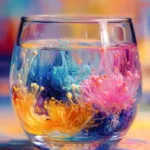
A fun and colorful activity that demonstrates the science of density and mixing through a simple experiment using water, oil, and food coloring.
- Prep Time: 5 minutes
- Cook Time: 0 minutes
- Total Time: 15 minutes
- Yield: 1 project
- Category: Activity
- Method: Experimental Activity
- Cuisine: Science Experiment
- Diet: Vegetarian
Ingredients
- Clear cup or glass
- Water
- Vegetable oil
- Food coloring
- Dropper or small spoon
- Paper towels
- Optional: tray or placemat
Instructions
- Pour water into the clear cup until it is about three-quarters full.
- Pour a thin layer of vegetable oil on top of the water.
- Prepare your food coloring drops on the table or hold a dropper ready.
- Add one drop of food coloring to the oil layer and watch closely.
- Add more drops a few seconds apart to build a fireworks effect.
- When finished, tip the cup gently into a sink and rinse with warm water.
Notes
Supervision is recommended for young children. Keep paper towels handy for quick cleanup.
Nutrition
- Serving Size: 1 cup
- Calories: 0
- Sugar: 0g
- Sodium: 0mg
- Fat: 0g
- Saturated Fat: 0g
- Unsaturated Fat: 0g
- Trans Fat: 0g
- Carbohydrates: 0g
- Fiber: 0g
- Protein: 0g
- Cholesterol: 0mg