

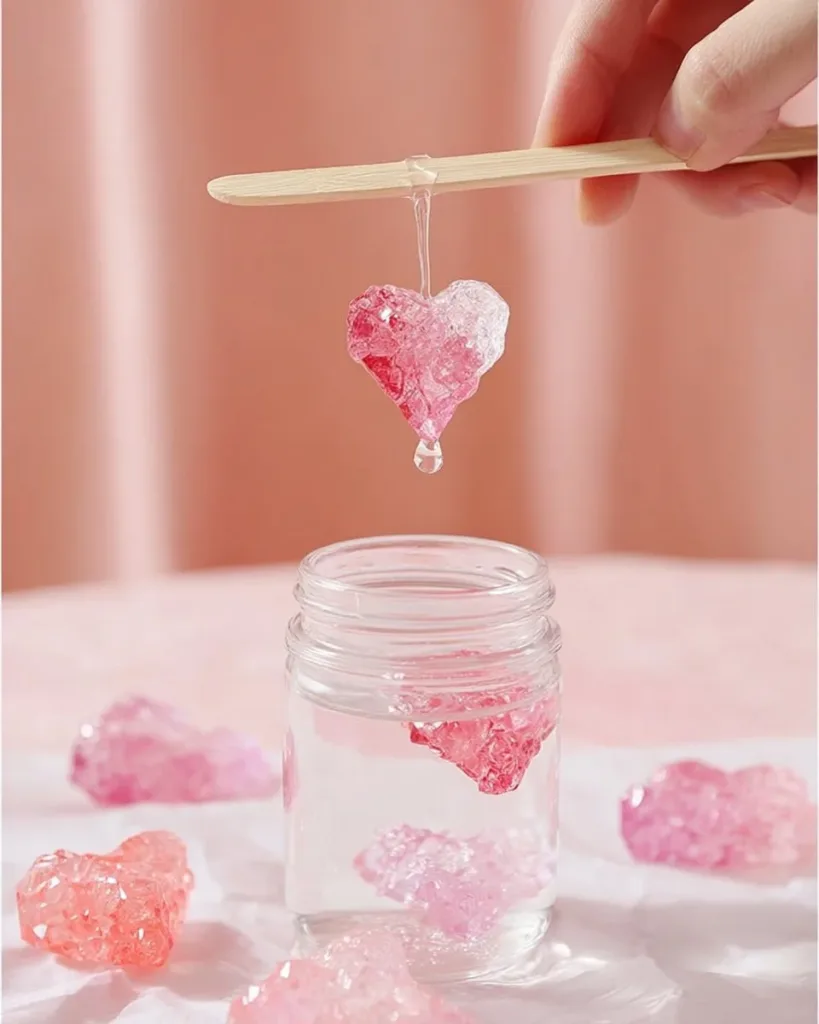
A busy afternoon, the kids asking to do something now, and a cluttered kitchen counter that still needs to be usable for dinner. That was my last-minute setup the first time I tried these Valentine Science Experiments with my two kids. With a clear jar, some oil and fizzy tablets we turned those restless minutes into a bright, bubbly project that felt quick, safe, and delightfully messy in the best way. If you want an easy hands-on activity that uses common kitchen supplies and gives a real wow moment, this fits the bill. If you like more kitchen-style projects, you can find other ideas in our kitchen science experiments collection for extra inspiration.
Why This Valentine Science Experiments Works So Well

This experiment stays low-prep because you use items you likely have in your cupboard. You do not need special tools or store runs. A clear jar and a few drops of color create instant visual impact. The fizzy action gives a fast payoff, so kids stay interested without a long wait.
It stays approachable because steps stay simple and repeatable. Even younger kids can pour, drop, and watch while an adult handles tablets. You can scale up or down for a table of two or a group of six. You can also pause between steps if you need to clear space for dinner.
It stays reliable because the chemistry is forgiving. If bubbles are slow, you can add another fizzing tablet or a sprinkle of salt to bump the reaction. Little spills wash away with soap and hot water. The materials do not stain most surfaces if you clean promptly.
You’ll notice a real emotional win. The bright colors, the rising blobs, and the sound of fizzing draw a smile and a simple “wow” that makes everyone feel proud. That moment matters more than perfection.
A Quick Look Before You Begin
This activity takes about 10 minutes to prep and another 10 to 20 minutes of watching and adding fizz. Expect the full time from setup to clean up to be under 30 minutes. You can run it as a single quick demo or set it up as a repeating station where kids drop tablets one at a time.
Setup feels minimal. A small tray contains any drips. An adult should handle the fizzy tablets. Kids can pour oil and water, add food color, and watch the effect. If you have curious toddlers, plan for closer supervision and keep the tablets out of reach.
The mess level stays low. Oil can drip, and colored water can splash if excited hands move the jar. Use a washable surface, a towel under the jar, and short sleeves. Cleanup usually takes two wet wipes or a quick rinse and dish soap wash.
What You’ll Need for This DIY
- Clear jar or tall glass
Common household item, easy to clean - Vegetable oil or baby oil
Common shelf item; baby oil gives thicker motion - Water
Tap water works fine - Food coloring (red or pink)
Optional for Valentine colors - Alka-Seltzer tablets or other effervescent tablets
Used to make the bubbles; adult only - Small funnel or measuring cup
Optional; helps pour without spills - Tray or baking sheet
Contains drips and makes cleanup easier - Spoon
To guide drops or stir gently - Paper towels or cloth
For quick cleanup
STEP-BY-STEP DIRECTIONS
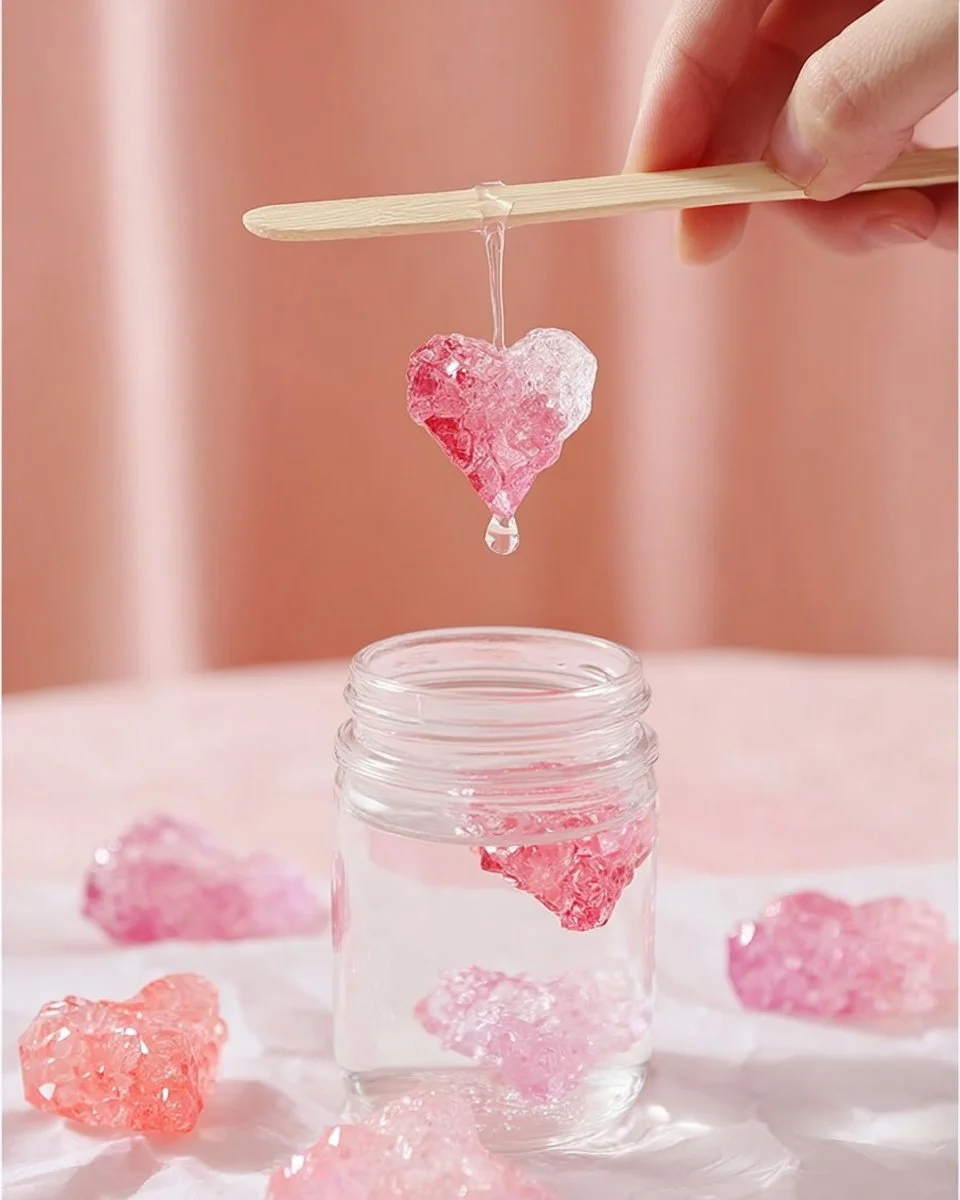
- Place the jar on a tray and fill it three quarters full with oil.
You will see the oil sit separate from the water. The clear layer looks calm and still. - In a separate cup, mix water with a few drops of food coloring.
Stir until the color looks even. Red or pink gives the Valentine feel. - Carefully pour the colored water into the jar over the back of a spoon.
Pour slowly so the water sinks below the oil and forms a separate layer. - Watch the layers settle and point out how they stay separate.
This is a good pause to ask kids what they notice about where water and oil sit. - Break an Alka-Seltzer tablet into halves or quarters. Adults should do this.
Small pieces let you control the fizz and lengthen the show. - Drop one tablet piece into the jar and step back with the kids.
Bubbles will form and carry colored water blobs up through the oil. - When the fizz slows, remove any floating foam and drop another piece if you want more action.
This keeps the experiment going and gives repeated wow moments. - When you finish, pour the mixture into the trash and wash the jar with hot, soapy water.
Oil does not go down the drain untreated. Use dish soap and hot water to remove residue.
The Learning Behind This DIY

The basic science here is simple and fun. Water and oil do not mix. Oil is less dense than water so it floats above. The effervescent tablet reacts with water to produce gas bubbles. Those bubbles grab bits of colored water and lift them through the oil. When the bubbles pop, the colored drops fall back down.
Kids practice observing cause and effect. They will see that adding the tablet makes movement happen. They learn about layers and density without heavy terms. The project supports fine motor skills too. Pouring carefully, handling a spoon, and breaking a tablet all build coordination.
You also get a gentle intro to chemical reactions. The fizz is an immediate cue that something changed. You can ask kids to predict what will happen with a new tablet and then test the idea. That small loop of guess-and-observe builds real scientific thinking in a tiny, friendly way.
Troubleshooting Common Issues
If the colored blobs do not rise, check that you added the tablet to the water layer and not the oil. Tablets need contact with water. If the tablet dissolved too fast, use a smaller piece next time and drop it in gently.
If the jar fills with foam instead of blobs, the tablet may be too fresh or the water very warm. Scoop some foam off with a spoon and wait a minute the show usually calms. If the tablet makes slow little bubbles, add another small piece for stronger action.
If the colors mix into a murky shade, you probably stirred too hard when adding the water. Pour more slowly next time and let the layers settle. If oil splashes outside the jar, wipe it up right away with a paper towel and a drop of dish soap. Oil becomes slick if it dries on surfaces.
If kids touch the tablets or try to eat them, stop and explain the tablets are for watching, not tasting. Keep tablets out of reach when children are small. An adult should drop them and handle any leftovers.
Easy Variations to Try
- Make it glittery. Add a pinch of craft glitter to the colored water for sparkle. Use only a little so it does not clog drains. This gives a festive Valentine shimmer.
- Try different oils. Swap vegetable oil for baby oil to see a slower, heavier motion. The blobs move differently and feel more hypnotic for older kids.
- Use clear gel beads under the jar for a mood lamp look. Place beads in the jar bottom before adding liquids to give a base that catches light.
- Add a second jar race. Set up two jars side by side with different colors to compare which one fizzed longer. Kids enjoy the friendly competition.
- Turn it into a lesson on temperature. Try cold water in one jar and warm in another. Ask kids to observe which reacts faster. This adds a small measurement and prediction element.
Storing or Reusing This Project
Do not store the mixture for later use. The oil and water separate and the reaction will end when the tablets dissolve. Pour the used liquids into the trash and clean the jar.
Keep the tools. Save the jar, funnel, spoons, and tray for another day. Wash them with hot, soapy water to remove oil. Dry them before storing.
Reuse the idea. You can repeat the experiment in the same jar multiple times. Rinse and dry the jar, then start again with fresh water, oil, and new tablets. That makes the activity low-waste since you only need to replace small consumables.
To reduce waste, use one tray and reusable jars for several rounds. Buy larger bottles of food coloring and a family-size container of effervescent tablets if you plan to repeat the activity often.
FAQs About Valentine Science Experiments
Will this stain my table or clothes?
It can if you let colored water sit for a long time. I have had tiny drips land on a tablecloth and they came out with a quick soap wash. If a splash hits clothing, rinse right away under cold water and treat with dish soap before laundering. Use a tray and short sleeves to prevent most problems.
Are the tablets safe for kids to touch?
Tablets are safe when used properly but they are not candy. I always have an adult break and drop the pieces while kids watch. If a child puts a tablet in their mouth, rinse and call poison control if anything unusual happens. Keep tablets out of reach for toddlers.
Can I use other fizzy things like baking soda?
Baking soda and vinegar create fizz, but they make a messy foam that behaves differently. I prefer tablets here because they dissolve cleanly and give controlled bursts. If you try vinegar and baking soda, do it in a large container and expect more foam.
My water and oil looked cloudy. Is that normal?
A slight cloudiness can happen if you stir too much or if small oil droplets form. It usually clears as the layers settle. If it stays cloudy, start fresh with clean jars and pour more slowly.
How long will the bubbles last?
Each tablet piece gives a few minutes of activity. If you want a longer show, add a new piece every couple of minutes. Most kids stay engaged when you do short repeats rather than one long reaction.
A Final Helpful Note
This experiment gives fast, colorful results with a small amount of prep. Trust the process and welcome small surprises. If a trial does not look like the demo, treat it as a learning moment. Ask kids what changed, what they noticed, and what they want to try next. Those short conversations build curiosity more than a perfect result.
If you feel rushed, simplify. Do one jar, use fewer colors, and keep the tablet pieces small. If you have more time, try variations and let kids keep notes on what changes. Either way, the project gives a real experience that feels easy to manage and fun to repeat.
Conclusion
For more ideas that pair well with this experiment, the round up at Valentine’s Day Science Experiments for Kids offers additional low-prep activities you can try next week. If you want themed STEM lessons with step-by-step photos and simple materials, check out Valentine Science & STEM for more inspiration.
PrintValentine Science Experiments for Kids
A fun and easy science experiment perfect for Valentine’s Day that uses common kitchen supplies to create colorful bubbling effects.
- Prep Time: 10 minutes
- Cook Time: 20 minutes
- Total Time: 30 minutes
- Yield: 1 session
- Category: Science Experiment
- Method: Hands-On Experiment
- Cuisine: Educational
- Diet: N/A
Ingredients
- Clear jar or tall glass
- Vegetable oil or baby oil
- Water
- Food coloring (red or pink)
- Alka-Seltzer tablets or other effervescent tablets
- Small funnel or measuring cup
- Tray or baking sheet
- Spoon
- Paper towels or cloth
Instructions
- Place the jar on a tray and fill it three quarters full with oil.
- In a separate cup, mix water with a few drops of food coloring and stir until even.
- Carefully pour the colored water into the jar over the back of a spoon.
- Watch the layers settle and discuss the separation of water and oil with the kids.
- Break an Alka-Seltzer tablet into halves or quarters.
- Drop one piece into the jar and observe the bubbling action.
- When the fizz slows, add another piece if desired.
- When done, pour the mixture into the trash and wash the jar with hot, soapy water.
Notes
Keep the Alka-Seltzer tablets out of reach from young children and supervise closely. Cleanup is minimal, but be prepared for potential splashes.
Nutrition
- Serving Size: 1 experiment
- Calories: 0
- Sugar: 0g
- Sodium: 0mg
- Fat: 0g
- Saturated Fat: 0g
- Unsaturated Fat: 0g
- Trans Fat: 0g
- Carbohydrates: 0g
- Fiber: 0g
- Protein: 0g
- Cholesterol: 0mg