

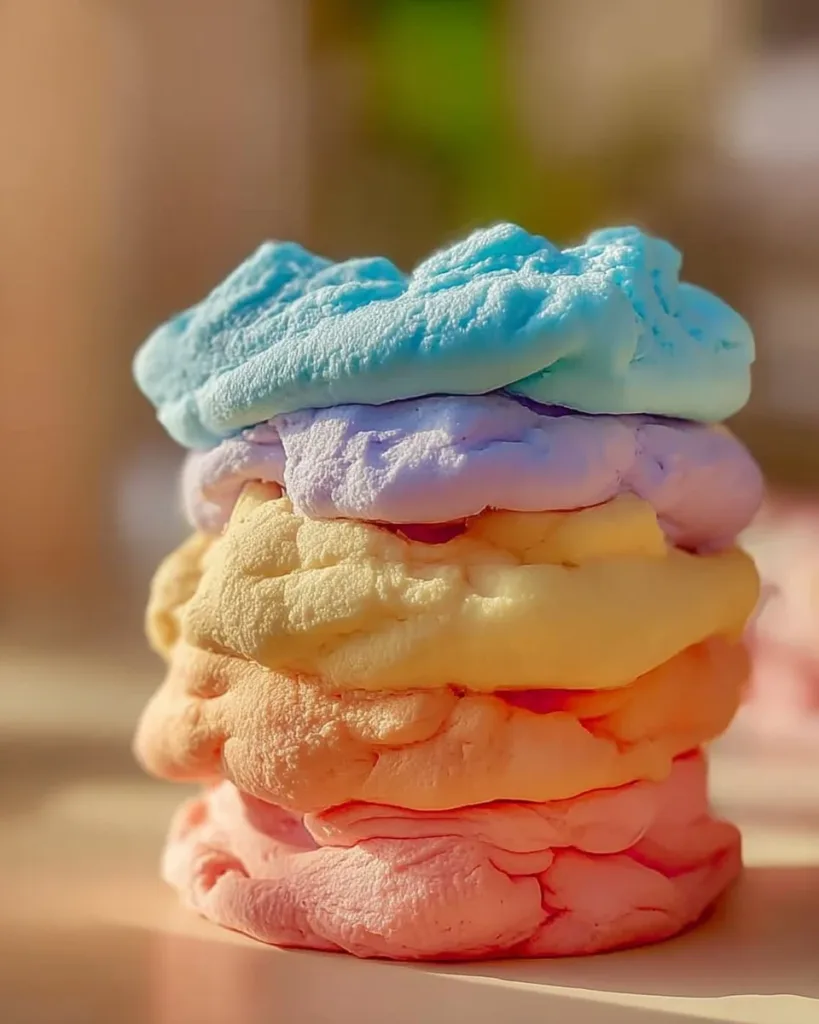
A busy afternoon, the clock nudging toward snack time, and the kids asking to make something right now. You pull out a few simple things from the kitchen drawer and remember a Pin by Stéphanie Leduc on CPE experience | Fun crafts for kids, Craft projects for kids, Toddler crafts you saved a while back. It promised a sweet, hands-on toddler craft that uses stuff you already have. This is the sort of quiet, achievable project that fits between homework and dinner, and it gives everyone a small, real result to be proud of. If you like quick projects that use ordinary supplies, you might also enjoy an easy kitchen science idea I tested that makes a balloon puff up with baking soda and vinegar at home balloon baking soda experiment.
Fun crafts for kids, Craft projects for kids, Toddler crafts Works So Well
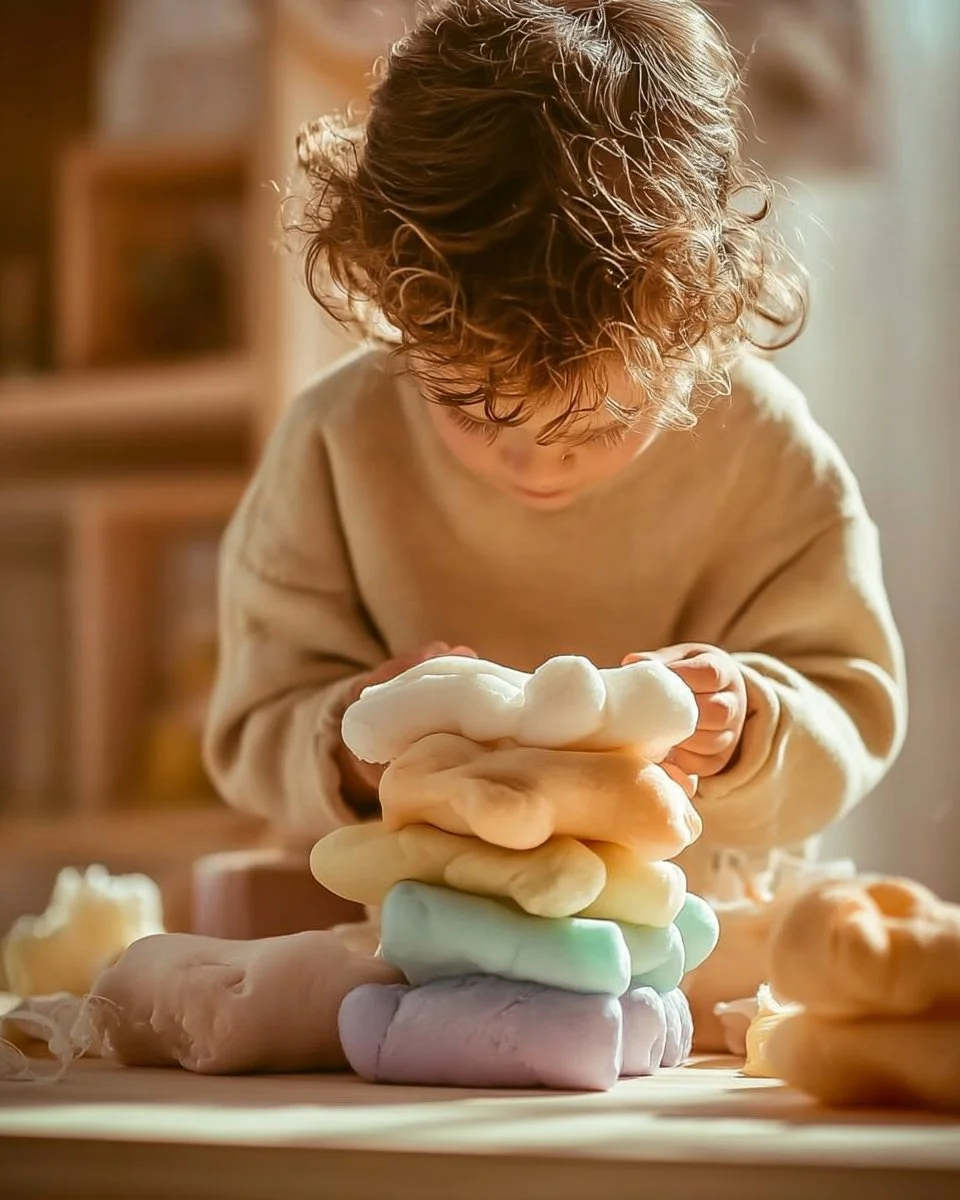
This simple craft stays low-prep because it needs only a few everyday items and no complicated steps. You do not need a long setup or special tools. A quick gathering session at the kitchen table gets you ready to start.
It feels approachable for toddlers and preschoolers. The actions are mostly tearing, gluing, pressing, and placing, which children can do with some supervision. Adults step in for cutting or any fine trimming, then step back to let kids enjoy the process.
It proves reliable on real-life schedules. You can stop and resume, or finish in one sitting while snacks are prepped. The cleanup stays reasonable when you line the table and have a damp cloth handy.
A Quick Look Before You Begin
This DIY usually takes about 20 to 30 minutes from start to finish, depending on how long the kids want to play with details.
Set up a small work area with a wipeable surface and a tray for supplies. Plan for a little glue and tiny bits of paper; those are the main mess items.
Expect light adult involvement. You will cut or prep shapes if needed and help with delicate gluing. Most of the rest kids can manage on their own or with gentle guidance. If you need to answer one quick question before starting, you can also get in touch with us.
Materials You’ll Need
Paper plates
common household item, sturdy base for gluing
Tissue paper squares
common household item, colorful and easy to tear
Child-safe glue stick
common household item, less messy than liquid glue
Safety scissors
household item, adult use for cutting shapes
Crayons or washable markers
common household item, optional for decorating
Googly eyes or stickers
optional, easy substitute: draw eyes with marker
Green construction paper
common household item, for stems and leaves
Masking tape or double-sided tape
budget-friendly, optional for quick attachment
Step-by-Step Directions
- Give each child a paper plate and a handful of tissue paper squares.
Tissue paper shows color through and tears easily, which feels satisfying for little hands. - Let kids crumple or tear tissue pieces and glue them onto the center of the plate.
They will feel soft textures and see colors layer; encourage them to cover the middle. - Cut green strips for stems and leaf shapes while kids work.
Keep the strips wide enough for small hands to hold and glue. - Help children glue the stems onto the plate, extending from the tissue center downward.
A glue stick works well here; press firmly for a few seconds so pieces stick. - Add leaves by gluing the leaf shapes to the stems.
Kids can press them flat and smooth the edges with their fingers. - Decorate the plate edge with crayons, markers, or stickers.
This is the chance for names, patterns, or little doodles; let kids lead the design. - Finish by adding googly eyes or a drawn face if you want a character.
If glue is wet, hold pieces in place for a moment to avoid sliding. - Set the plates aside to dry on a flat surface for 10 to 15 minutes.
You will notice the glue change from shiny to matte when it is set.
The Learning Behind This DIY
This project supports fine motor development through tearing, crumpling, and gluing. Those actions help strengthen the small muscles children use for writing and daily tasks.
It teaches hand-eye coordination. Kids pick up tiny tissue pieces and place them on a target area, which builds control and spatial awareness.
It shows cause and effect in a simple, friendly way. When you press tissue into glue, it sticks and layers form. If pieces overlap wet glue, they can shift; that gives a chance to talk about drying time.
Colors and patterns offer early art concepts. Children compare shades, make patterns, and talk about what they like. This supports language as they describe choices and outcomes.
Troubleshooting Common Issues
If the tissue keeps sliding on the plate, the glue might be too thin or not tacky enough.
Try a fresh glue stick or spread a thin line of tape underneath the tissue before pressing it down.
If kids tear too large pieces and you want a fuller look, pre-cut a few smaller squares and let them choose.
Children often enjoy picking from a small pile rather than struggling to tear precise sizes.
If the glue pools or wrinkles the tissue, use smaller amounts and press gently.
Blot excess glue with a paper towel and smooth the tissue with a clean finger.
If a piece falls off later, do not worry.
A drop of glue and a brief press will fix it; teach kids to check their work and make small repairs.
Easy Variations to Try
Use a paper bowl instead of a plate to make a 3D flower pot craft.
The same tissue technique works; kids enjoy the more sculptural shape.
Turn the tissue center into a sun by choosing yellows and oranges, and then draw rays around the plate.
This makes a cheerful wall hanger for a rainy day.
Create a family bouquet by making several plates and taping the back edges together at the stems.
Display them upright on a shelf or tape the stems together for a mixed arrangement.
Add a simple sensory element by sprinkling a bit of glitter onto wet glue.
Use this sparingly and only if you can manage the extra cleanup; it gives a celebratory sparkle.
Making This Work for Different Ages
Toddlers enjoy tearing and pressing. Give them larger tissue pieces and supervise cutting.
Preschoolers will like more detailed leaf shapes and decorating options. Let them plan colors and patterns.
Older kids can cut more precise shapes and create layered designs with multiple tissue colors.
Storing or Reusing This Project
If you want to keep the plates, store them flat in a shallow box or between sheets of clean paper.
Avoid stacking heavy items on top; the glued bits can flatten or peel.
If you plan to reuse materials, collect leftover tissue pieces and small scraps in a resealable bag.
Those scraps work well for future collages or as filler for sensory bottles.
Glue sticks dry out over time. Keep the cap tight and store them upright.
If glue becomes hard, replace it. Do not try to revive very old glue sticks.
If some decorations fall off during play, keep a small repair kit with tape and a glue stick.
It feels good to fix a project and teaches kids to care for their creations.
FAQs About Fun crafts for kids, Craft projects for kids, Toddler crafts
Will this project make a big mess?
I worry about tissue bits everywhere.
This project stays low-mess if you set up a small tray and a damp cloth. Tissue paper sheds a bit, but most pieces sit on the work surface. I keep a bin or sheet under the project; that catches scraps and makes cleanup fast.
Is this safe for younger toddlers who still put things in their mouths?
Supervise closely for toddlers under three and keep tiny decorations like googly eyes out of reach unless you glue them on securely. You can skip small pieces and focus on bigger tissue pieces and drawing instead.
Can I substitute washable school glue or do I need a glue stick?
A glue stick gives less wrinkling and dries quickly, which works well with tissue. If you only have liquid school glue, use a thin application and let the piece sit flat to dry so it does not bubble or warp.
How long will the finished plate last on display?
If you keep it away from moisture and heavy handling, the plate can last weeks to months. It will look best as a short-term display; the colors may fade slightly over time if in direct sunlight.
What if my child wants to change colors midway or add extra pieces after it dries?
Let them! This project is flexible. You can add more layers even after drying using a glue stick. Encourage them to try small changes; it builds creative confidence.
A Final Helpful Note
Take your time and keep expectations gentle. The joy of this activity comes from the doing more than the perfect result.
If something feels messy, pause and regroup. Use a towel or tray to catch scraps and make cleanup part of the routine.
Celebrate the parts that turned out well and treat fixes as part of the process. Crafts like this build skills and memories, not museum pieces.
Conclusion
For additional ideas on planning group craft times or copying templates for early childhood settings, you can consult the detailed meeting and program planning ideas in this helpful resource from a community organization program planning guide and agenda. If you want a technical reference that lists data or handles raw text batches for creative uses, this archived resource may offer useful, if niche, material text archive for creative projects.
PrintTissue Paper Flower Craft
A fun and creative craft project for toddlers using paper plates and tissue paper to make colorful flower designs.
- Prep Time: 10 minutes
- Cook Time: 20 minutes
- Total Time: 30 minutes
- Yield: 2-4 servings (depends on number of children participating)
- Category: Craft
- Method: DIY
- Cuisine: N/A
- Diet: N/A
Ingredients
- Paper plates
- Tissue paper squares
- Child-safe glue stick
- Safety scissors
- Crayons or washable markers (optional)
- Googly eyes or stickers (optional)
- Green construction paper
- Masking tape or double-sided tape (optional)
Instructions
- Give each child a paper plate and a handful of tissue paper squares.
- Let kids crumple or tear tissue pieces and glue them onto the center of the plate.
- Cut green strips for stems and leaf shapes while kids work.
- Help children glue the stems onto the plate, extending from the tissue center downward.
- Add leaves by gluing the leaf shapes to the stems.
- Decorate the plate edge with crayons or markers.
- Finish by adding googly eyes or a drawn face if desired.
- Set the plates aside to dry for 10 to 15 minutes.
Notes
Encourage creativity by allowing kids to choose colors and designs. Use a damp cloth to help with cleanup.
Nutrition
- Serving Size: 1 craft project
- Calories: 0
- Sugar: 0g
- Sodium: 0mg
- Fat: 0g
- Saturated Fat: 0g
- Unsaturated Fat: 0g
- Trans Fat: 0g
- Carbohydrates: 0g
- Fiber: 0g
- Protein: 0g
- Cholesterol: 0mg