
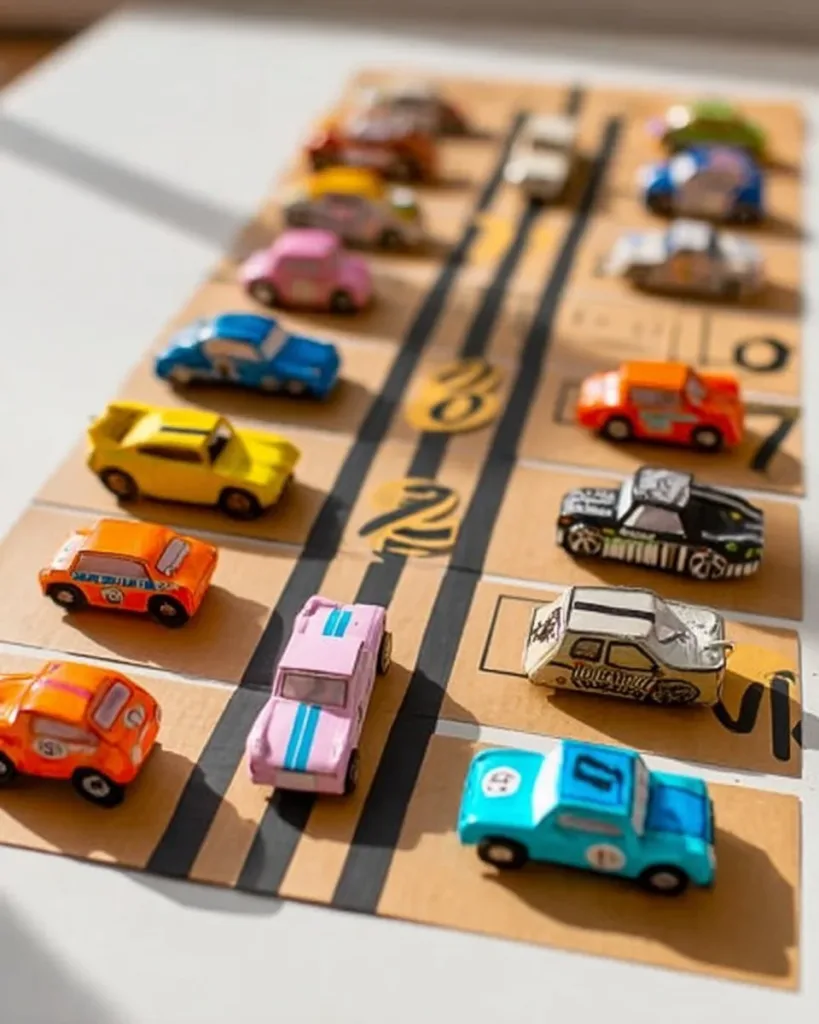
A rainy afternoon, a stack of snacks, and a kid who wants to do something right now that’s the scene for this Math Activity for Preschoolers. You can set up a simple counting and sorting game at the kitchen table with things you already have, and it will turn a squirmy moment into focused play. It only takes a few minutes to lay out, gives a clear payoff, and lets your child practice number skills while you keep an eye on dinner. If you like short, easy setups like our frozen bubbles activity, this one slides right into the same habit of quick, hands-on learning frozen bubbles activity.
Why This Math Activity for Preschoolers Works So Well
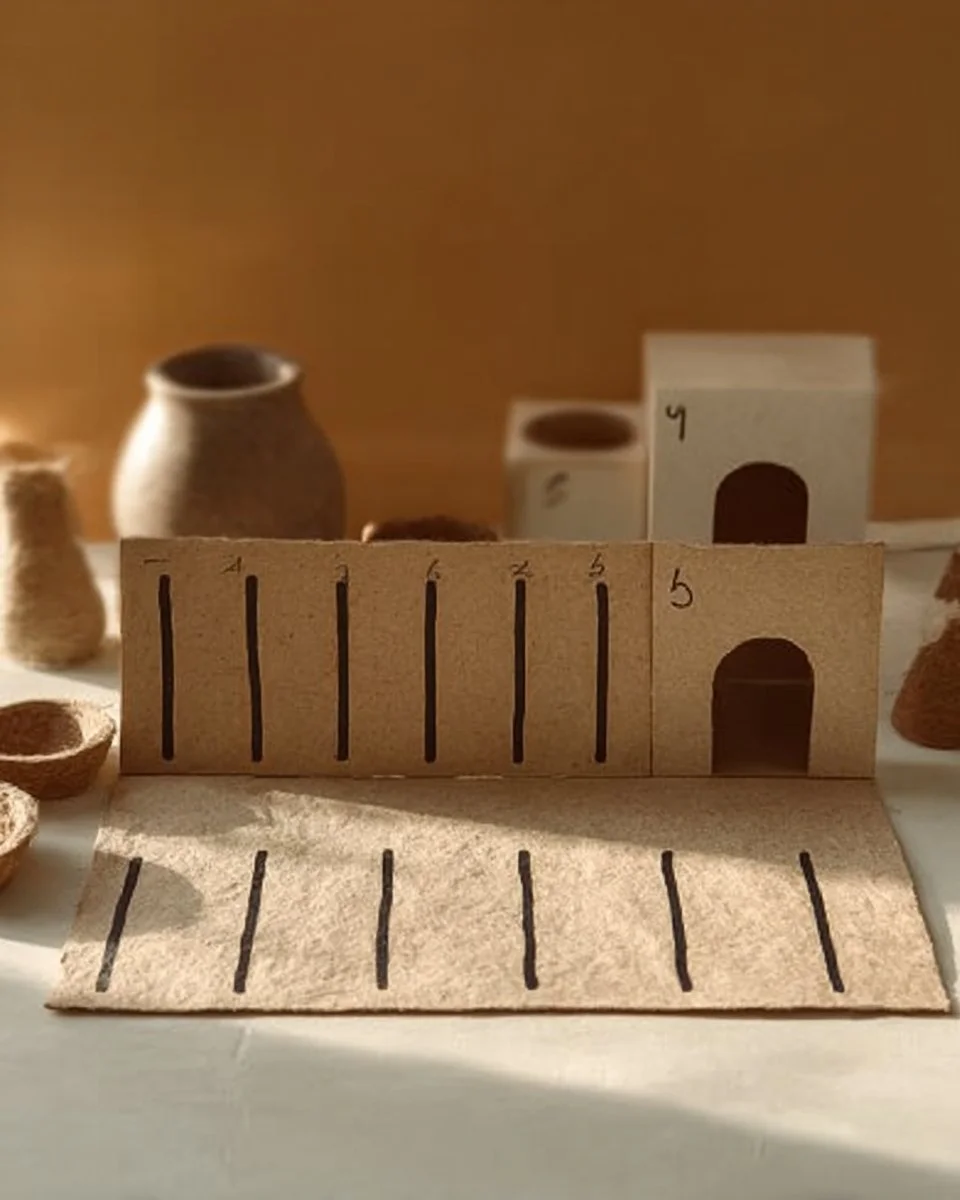
This project works because it focuses on one thing at a time: counting and matching. You do not need fancy tools. Most of the needed pieces live in a junk drawer or a craft bin. That keeps setup low and stress low too.
Kids respond well to small, clear goals. When each cup needs three pom-poms, the ask feels doable. That feeling of success matters more than perfect performance. The activity also fits short attention spans. You can do a round in five minutes and repeat later.
It also plays well with real-life schedules. You can set it up while the kettle boils or the toast cooks. If you only have ten minutes before a nap, you still get a useful math moment. Cleanup is quick because everything is small and washable, and you can often sweep pieces back into a container for next time.
A Quick Look Before You Begin
This activity takes about 10 to 20 minutes depending on how deep you go.
Setup takes five minutes or less. You only need a small table or the floor.
Expect a little mess from loose pieces. Use a tray or towel to contain them.
You can lead the whole time, or let a preschooler try it mostly solo with check-ins.
One adult nearby keeps spills and swallowing risks in check. The play stays calm and fun that way.
Materials You’ll Need
What You’ll Use for This DIY
Small counting objects, like buttons or pom-poms (common household item)
A muffin tin or several small bowls (easy substitute: paper cups)
Paper and marker to make number cards (budget-friendly)
A spoon, tongs, or tweezers for moving pieces (optional)
A tray or towel to contain spills (common household item)
A small container to store pieces afterward (optional)
Step-by-Step Directions
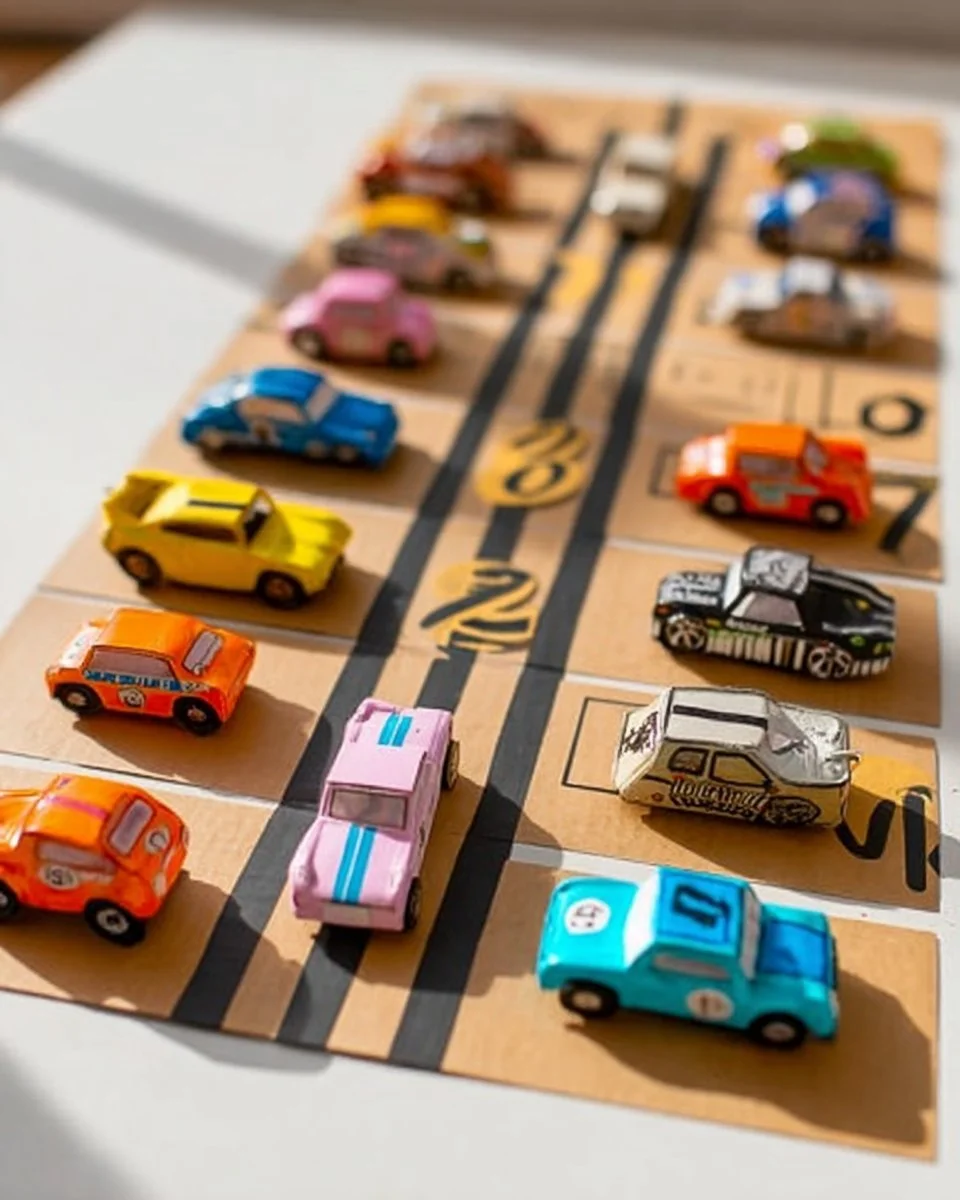
- Gather your pieces and set them on the table.
Put the muffin tin or bowls in a line so each spot looks like a target. Let your child help place them. - Make simple number cards from paper.
Write 1 to 6 or 1 to 10 big and clear. Show the card to your child and name the number out loud. - Place a starter pile of counting items in the center.
A small cup or a pile on a tray works. Keep extras nearby so the activity keeps moving. - Ask your child to match the number card to a bowl.
You can say, “Find the number 3 and put three pom-poms in that bowl.” Talk through it as they work. - Use spoons or tongs for fine-motor practice.
This slows the movement down and helps little hands learn control. Celebrate each transfer. - Count out loud together as items move into the bowl.
Count slowly and point to each item. Let your child lead counting once they know how. - Switch roles: let your child show you a card.
Ask them to tell you how many go in the bowl. This builds confidence and memory. - Add small challenges like “two blue, three red” for sorting.
If your child is ready, add color sorting or shape matching to layer the learning. - End by counting all bowls together.
Pour the items back into the center and count them as a group. This helps with one-to-one matching. - Store pieces in the small container for next time.
A quick sweep into a cup saves cleanup later and keeps the activity ready for repeats.
The Learning Behind This DIY
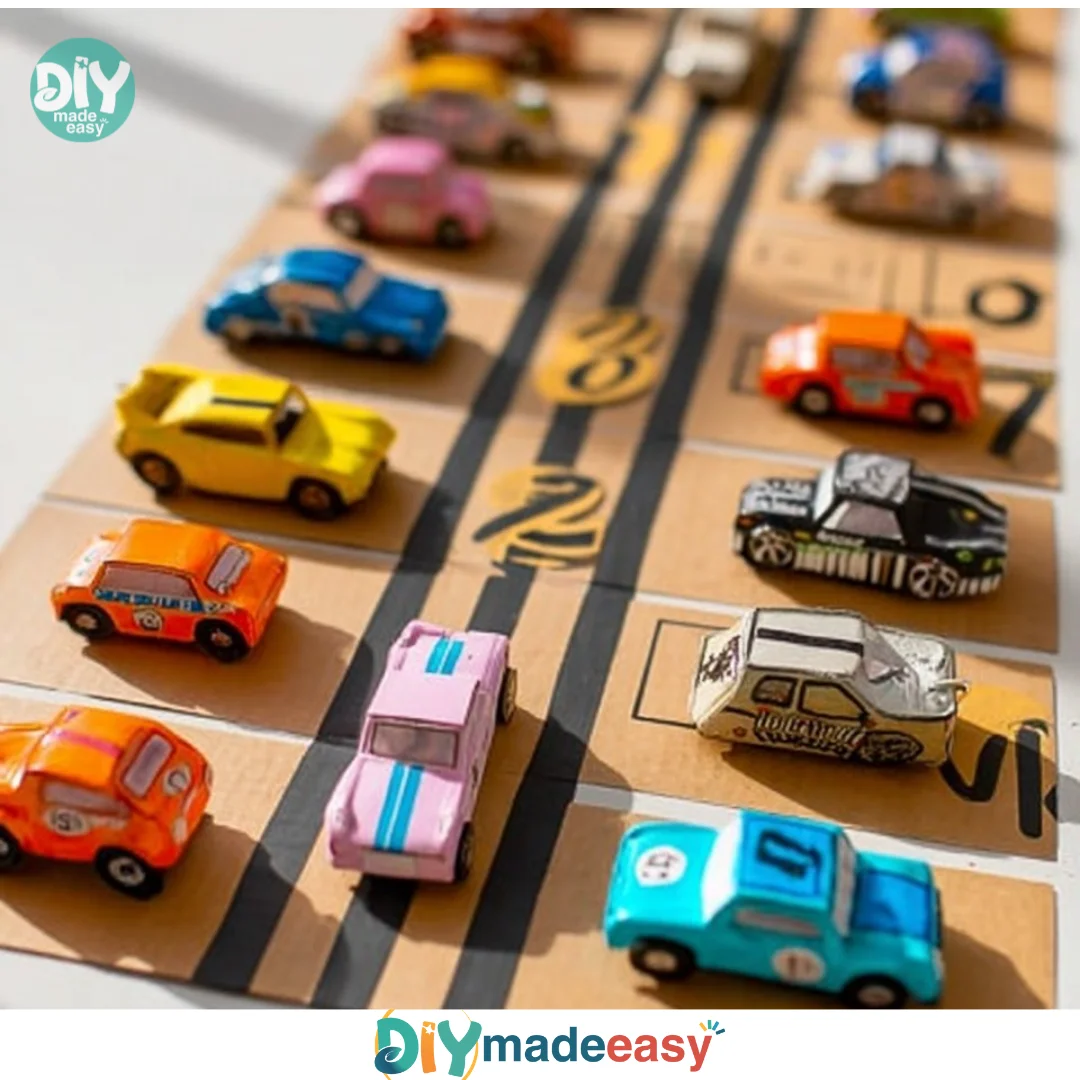
This simple activity helps with early number sense in a few clear ways. First, it supports one-to-one counting. When a child moves a pom-pom and counts it, they practice matching one word to one object. That step is the foundation of later addition and subtraction.
Second, sorting by color or size introduces early classification skills. Sorting shows children that items can belong to groups, which is basic math thinking. It also helps with language. Saying “three blue” or “two big” connects words to quantities.
Third, using tools like tongs builds fine motor control and hand strength. Those small muscles help with pencil grip later on. The act of moving small objects also improves hand-eye coordination.
Finally, the activity offers gentle cause and effect. If a child places too many items, the bowl looks full and they notice. If they count again, they fix it. That loop builds confidence and problem solving.
Troubleshooting Common Issues
If pieces keep spilling, try a deeper tray or put a towel under everything. That catches items without fuss.
If counting gets jumbled, slow it down and point to each object as you say the number. One-to-one matching matters more than speed.
If a child dumps everything at once, turn it into a quick game: “Let’s count how many are on the floor now.” That keeps the moment positive.
If small pieces worry you, swap them for larger items like large buttons or foam shapes. Safety first.
If attention fades, shorten rounds. Do three bowls instead of six and build up next time.
Easy Variations to Try
Color sort: Give each bowl a color card and ask for only that color in each bowl.
Shape match: Use foam shapes and have children match shape to drawn outline in each bowl.
Number races: Set a timer for short bursts and see how many items they can sort in 30 seconds.
Story counting: Make a tiny story about animals getting into houses, and count how many animals go to each house.
Older kids: Use higher numbers, add simple addition like combining two bowls and counting total.
Storing or Reusing This Project
Keep pieces in a small clear container so you can see them. A plastic food container or a zipper bag works well.
Label the container with a simple sticker: “Counting Game.” Kids love the feeling of a stored project they can pull out.
Wash washable items if they get sticky from snacks. Pom-poms usually rinse fine; buttons soak in warm soapy water.
Repurpose pieces for other projects. Buttons can become art; pom-poms can go into sensory bins later.
If a piece goes missing, don’t worry. Use a substitute from the craft bin and make a habit of counting pieces before and after play.
FAQs About Math Activity for Preschoolers
Will this make a huge mess on the floor?
I worry about lost pieces. It can be tidy or messy based on your setup. I usually work on a tray or a towel to keep pieces contained. If a child loves to scatter, I set the activity on the floor and limit the number of pieces. That reduces clean-up time. Missing pieces happen; keep a small “oops” cup to collect extras, and breathe you can often keep things short and sweet.
Is this safe for a 2-year-old?
My child still puts things in their mouth. For younger toddlers, swap in larger items that they cannot swallow, like large foam shapes or big craft beads designed for little hands. Stay nearby and guide the activity. If you need to step away, put pieces out of reach. I always watch closely until I know a child handles small parts safely.
What if I do not have a muffin tin or craft pieces?
Use what you have. Paper cups, egg cartons, or even taped circles on paper will do the job. The important part is clear targets and small groups of objects. If you lack craft bits, use dried pasta, cereal, or coins you already have. Keep it simple and practical.
My preschooler can count but gets the numbers wrong. Is that normal?
Yes. Counting aloud does not always mean one-to-one matching. Invite your child to touch each object as you count. Celebrate attempts and correct gently. Short, repeated experiences help more than long drills. I often model counting a bowl slowly, then ask the child to try the next one.
How long should one session last?
My child loses interest quickly. Keep rounds short. Five to ten minutes works for many preschoolers. Play multiple short sessions across a day rather than a long sitting. I pair this with snack time or while waiting for dinner, so it feels natural and low pressure. A Final Helpful Note
Take the pressure off. This activity does not need to look perfect to be useful.
Let your child lead small parts. If they want to sort colors rather than count, follow their interest and fold counting in slowly.
Keep cleanup simple: a tray, a sweep, and a storage container. That habit makes it easy to do again tomorrow.
If something goes sideways, laugh, count the mess, and try a shorter round next time. Learning often happens in small, imperfect bites.
Conclusion
If you want more hands-on ideas that build early math skills, check out this helpful round-up of activities for preschool and kindergarten on Treehouse Schoolhouse: 50 Hands-on Math Activities for Preschool and Kindergarten. For playful, teacher-tested ideas that add variety and fun to counting time, DreamBox has a clear, kid-friendly guide here: 25 Fun Math Activities for Preschoolers.
PrintMath Activity for Preschoolers
Engage your preschooler in a fun and educational counting game using common household items like buttons and a muffin tin.
- Prep Time: 5 minutes
- Cook Time: 20 minutes
- Total Time: 25 minutes
- Yield: 1 engaging math activity
- Category: Educational Activity
- Method: Hands-on Learning
- Cuisine: N/A
- Diet: N/A
Ingredients
- Small counting objects (buttons, pom-poms, etc.)
- Muffin tin or small bowls
- Paper and marker for number cards
- Spoon, tongs, or tweezers (optional)
- Tray or towel to contain spills
- Small container for storage
Instructions
- Gather your pieces and set them on the table.
- Place the muffin tin or bowls in a line.
- Make number cards from paper (1 to 6 or 1 to 10).
- Place a starter pile of counting items in the center.
- Ask your child to match the number card to a bowl.
- Use spoons or tongs for fine-motor practice.
- Count out loud together as items move into the bowl.
- Switch roles: let your child show you a card.
- Add small challenges like color or shape sorting.
- End by counting all bowls together.
- Store pieces in a small container for next time.
Notes
This activity builds early math skills through counting and classification. Use variations like color sorting and shape matching for added fun.
Nutrition
- Serving Size: 1 session
- Calories: 0
- Sugar: 0g
- Sodium: 0mg
- Fat: 0g
- Saturated Fat: 0g
- Unsaturated Fat: 0g
- Trans Fat: 0g
- Carbohydrates: 0g
- Fiber: 0g
- Protein: 0g
- Cholesterol: 0mg