


A late school pick up turns into a kitchen parade. The kids ask for something warm and fall-like, and you want an easy win that smells like comfort without eating the whole evening. The Fall Bundt Cake fits that moment perfectly: steady steps, simple pantry items, and a hands-on project that kids can help with. It bakes while you tidy up backpacks and becomes the cozy centerpiece for homework time or an after-school snack.
This recipe works on busy afternoons because it moves in steady, short stages. You do a little mixing, a little folding, and the oven does the rest. The gentle spice of cinnamon and nutmeg, plus chopped apples and optional walnuts, make it feel seasonal without extra fuss. If you want a low-stress, family-friendly baking activity that yields a real, shareable result, this Fall Bundt Cake gets you there.
Why You’ll Love Making Fall Bundt Cake
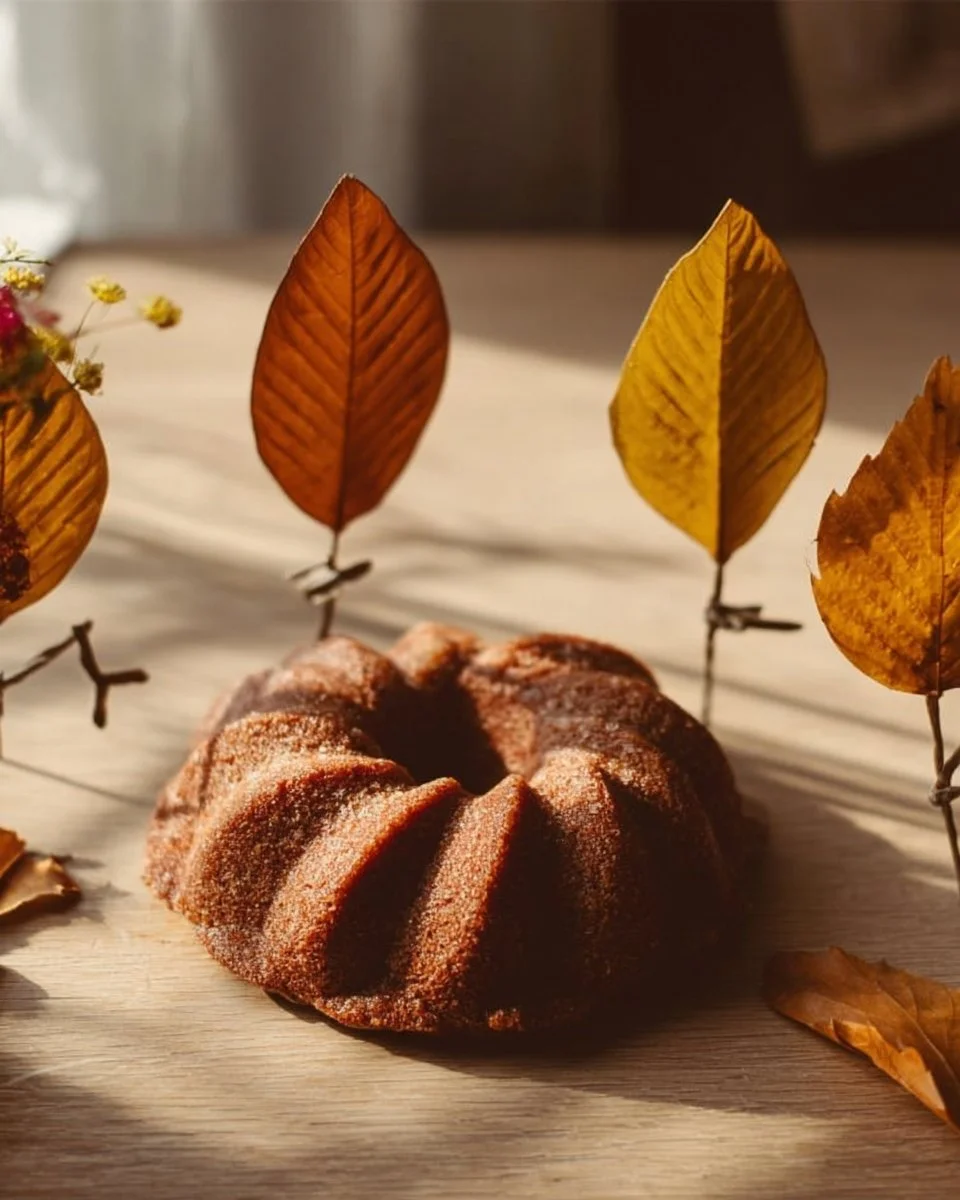
This recipe feels low-prep because it uses pantry staples you probably already have. The ingredients list names familiar items and nothing exotic. You do not need special syrups or hours of hands-on decorating. That keeps things simple and keeps the kids interested.
It stays approachable even when you are short on time. The step sequence divides cleanly into small tasks: cream, add, fold, pour, bake. Each action finishes quickly, and the most time-consuming part is baking. That lets you handle a few household things between steps and still keep the rhythm of the project.
The cake proves reliable because the chemistry in this mix balances sugar, fat, and leaveners. Buttermilk and eggs give it moisture and lift; baking powder and baking soda combine to give a tender crumb. Ground cinnamon and nutmeg contribute fall flavor without overpowering the apple pieces. The result looks and tastes like effort but feels easy to make.
Finally, this cake suits real life. Families rarely want fragile desserts on rushed nights. A bundt cake holds together well and slices cleanly. It travels easily to a neighbor or a fall gathering. If an egg or a timing mishap happens, you can often patch or repurpose parts without losing the whole batch. That peace of mind matters when you want comfort food and a calm kitchen.
A Quick Look Before You Begin
Think about timing first. From start to finish, allow about 1 hour and 15 minutes. That includes 10 to 15 minutes for prep and 50 to 60 minutes for baking. Add cooling time if you need slices to hold shape.
Set up a small station. Clear a spot for mixing, one for dry ingredients, and one for added fruit and nuts. You do not need a bakery-sized counter. A single bowl and a second mixing bowl work well, and the bundt pan sits nearby.
Expect a medium mess level. You will have flour traces, a few butter fingerprints, and possibly apple juice drops when chopping. Kids learn to clean as they go by wiping splashes and returning utensils to a sink.
Plan adult involvement. Adults should handle the oven and the initial setup. Older children can help cream butter and sugar, crack eggs under supervision, and fold in the apples. Younger kids can stir or sprinkle the walnuts. This balance keeps everyone safe and involved.
Materials You’ll Need
2 cups all-purpose flour
common household item
1 1/2 cups sugar
common household item
1 cup unsalted butter, softened
common household item; room temperature butter creams easier
4 large eggs
common household item
1 cup buttermilk
common household item; easy substitute: 1 cup milk plus 1 tablespoon vinegar, let sit 5 minutes (optional)
1 teaspoon vanilla extract
common household item
1 teaspoon baking powder
common household item
1 teaspoon baking soda
common household item
1/2 teaspoon salt
common household item
1 teaspoon ground cinnamon
common household item; adds warm fall flavor
1/2 teaspoon ground nutmeg
common household item; use fresh or pre-ground
1 cup chopped apples
common household item; crisp apples like Honeycrisp or Granny Smith hold up well
1 cup chopped walnuts (optional)
optional; swap for pecans if you prefer
Step-by-Step Directions
- Preheat your oven to 350°F (175°C) and grease a bundt pan.
Warm the oven early so the pan and batter start at steady temperatures.
Grease well so the cake releases cleanly; a light coating of butter and flour works fine. - In a large bowl, cream the butter and sugar together until light and fluffy.
Use a hand mixer or stand mixer for 2 to 3 minutes on medium.
Stop and scrape the bowl so no butter pockets remain; the mixture should look pale. - Beat in the eggs one at a time, then stir in the vanilla extract.
Add each egg and beat until it blends; this keeps the batter smooth.
After the last egg, pour in the vanilla and mix until the batter looks homogenous. - In another bowl, combine the flour, baking powder, baking soda, salt, cinnamon, and nutmeg.
Whisk the dry mix so the spices distribute evenly and you avoid clumps.
Gradually add the dry ingredients to the creamed mixture, alternating with the buttermilk.
Start and end with the dry mix, adding a third at a time, then a splash of buttermilk.
Stir just until combined; the batter should look thick but stirable, not overworked. - Fold in the chopped apples and walnuts if using.
Use a spatula and gentle motions so the apple pieces do not break down.
You should see apple bits and nut specks distributed throughout the batter. - Pour the batter into the prepared bundt pan and smooth the top.
Tap the pan gently on the counter once or twice to settle the batter and release air.
Use a small spatula to level the top so it bakes evenly. - Bake for 50-60 minutes or until a toothpick inserted into the center comes out clean.
Check at 50 minutes by inserting a toothpick into the deepest part of the cake.
If moist crumbs cling, give the cake 5 more minutes; the center should not wobble. - Allow to cool in the pan for 10 minutes before inverting onto a wire rack to cool completely.
Ten minutes lets the cake set so it does not break when you invert it.
If it sticks, run a thin knife gently around the edges before turning it out.
What Kids Practice While Making This

Baking this bundt cake teaches fine motor control and following steps without pressure. Children practice measuring and pouring, which builds hand-eye coordination. When they fold in apples, they learn gentle pressure rather than vigorous stirring, which helps protect the cake texture.
They also learn cause and effect. When eggs mix in, the batter smooths and loosens. When you overmix flour, the cake gets tougher. Those simple lessons stick. Kids notice sensory cues: how butter becomes lighter as air gets trapped, how batter smells like warm spices, and how apple pieces add moisture.
Timing and patience become part of the process. Waiting for the cake to bake helps teach delayed gratification. Cooling time offers another small lesson in handling hot things safely. When children learn to stand back at the oven and wait the designated time, they practice both patience and oven safety.
This activity also supports language and math. You read the recipe, count cups, and describe textures. You build confidence with real outcomes: a cake that slices and shares. That pride matters more than perfect decoration.
Troubleshooting Common Issues
If the batter looks too thick after adding all ingredients, you may have added too much flour or not enough buttermilk. Add a tablespoon of buttermilk at a time until the batter loosens to a thick, ribbon-like pour. Do this sparingly; you want gentle structure, not a puddly batter.
If the cake browns too fast on top, your oven might run hot. Tent a piece of foil over the bundt pan after 30 minutes and continue baking. Foil reduces further browning while the center finishes.
If a toothpick comes out with sticky batter in the center, the cake needs more time. Give it 5 to 10 additional minutes and test again. If the outside looks overdone but the center is raw, your oven heat may be uneven or the batter filled the pan too high. For next time, try using a slightly smaller pan or checking oven calibration.
If the cake sticks to the pan when you invert it, it probably needed a bit more grease or the pan needed a light dusting of flour. Next time, use a paper towel to spread butter into crevices and add a quick dust of flour or a baking release spray. If it already stuck, cool it a few more minutes and try a gentle loosen with a thin knife, running it around the inner center ring and outer edge before inverting again.
If apple pieces sink to the bottom, they were likely too heavy or too wet. Tossing chopped apples in a teaspoon of flour before folding them in helps suspend them in the batter. Also chop apples into similar-sized small pieces so they distribute evenly.
Easy Variations to Try
Add a simple glaze. Mix powdered sugar with a splash of milk and a pinch of cinnamon, then drizzle over the cooled bundt. It adds shine and a touch more sweetness without much effort.
Swap the nuts. If someone in your house prefers pecans, use them instead of walnuts. Or leave nuts out entirely for a nut-free treat. The cake still tastes balanced.
Mix in dried fruit. Fold in a handful of raisins or chopped dried figs for a deeper, chewier texture. Dried fruit allows the cake to hold together and adds variety in every slice.
Top with caramel apples. Warm a short jar of store-bought caramel and spoon it over slices when serving. This makes the cake feel more festive for gatherings without extra baking time.
Make mini bundts for sharing. If you have smaller bundt pans, divide the batter among them and reduce baking time by about 10 to 15 minutes. Keep an eye on the centers and test early because smaller cakes finish faster.
Storing or Reusing This Project
Store the cooled cake at room temperature, wrapped loosely with plastic or in a cake keeper, for up to 2 days. If you plan to keep it longer, move it to the fridge where it will last 4 to 5 days. Let it come to room temperature before slicing for the best texture.
Freeze slices for later. Wrap individual servings tightly in plastic and place them in a freezer bag. They keep well for up to 2 months. Thaw overnight in the fridge or at room temperature for a quick treat.
Reuse crumbs. If you trim or have leftover crumbs, save them for a crust or topping. Mix crumbs with a little melted butter and press them into a small pan for a quick base or sprinkle them over ice cream.
Clean up simply. Soak bowls and spatulas right after baking to loosen butter and batter. Wipe the counter with a damp cloth; apple bits and sugar dissolve easily with warm water. Teach kids to rinse while you wash to keep the kitchen tidy.
PrintFall Bundt Cake

A comforting and easy-to-make Fall Bundt Cake filled with apples and warm spices, perfect for family baking time.
- Prep Time: 15 minutes
- Cook Time: 60 minutes
- Total Time: 75 minutes
- Yield: 12 servings 1x
- Category: Dessert
- Method: Baking
- Cuisine: American
- Diet: Vegetarian
Ingredients
- 2 cups all-purpose flour
- 1 1/2 cups sugar
- 1 cup unsalted butter, softened
- 4 large eggs
- 1 cup buttermilk
- 1 teaspoon vanilla extract
- 1 teaspoon baking powder
- 1 teaspoon baking soda
- 1/2 teaspoon salt
- 1 teaspoon ground cinnamon
- 1/2 teaspoon ground nutmeg
- 1 cup chopped apples
- 1 cup chopped walnuts (optional)
Instructions
- Preheat your oven to 350°F (175°C) and grease a bundt pan.
- In a large bowl, cream the butter and sugar together until light and fluffy.
- Beat in the eggs one at a time, then stir in the vanilla extract.
- In another bowl, combine the flour, baking powder, baking soda, salt, cinnamon, and nutmeg.
- Gradually add the dry ingredients to the creamed mixture, alternating with the buttermilk.
- Fold in the chopped apples and walnuts if using.
- Pour the batter into the prepared bundt pan and smooth the top.
- Bake for 50-60 minutes or until a toothpick inserted into the center comes out clean.
- Allow to cool in the pan for 10 minutes before inverting onto a wire rack to cool completely.
Notes
For added sweetness, drizzle a simple glaze made from powdered sugar and milk over the cooled bundt. Share leftovers by freezing slices.
Nutrition
- Serving Size: 1 slice
- Calories: 350
- Sugar: 22g
- Sodium: 200mg
- Fat: 18g
- Saturated Fat: 10g
- Unsaturated Fat: 4g
- Trans Fat: 0g
- Carbohydrates: 45g
- Fiber: 2g
- Protein: 5g
- Cholesterol: 80mg
FAQs About Fall Bundt Cake
Will this cake be too messy for little kids to help with?
I worry about flour and butter everywhere.
Kids making a mess is part of the fun, and you can set small, manageable jobs to limit chaos. Give little ones a measuring cup for pouring sugar or a spatula for gentle stirring. Keep a damp cloth nearby for quick hands and counter wipes. Expect some flour footprints, but plan a short cleanup time afterward and you get both a treat and a tidy kitchen habit.
Is the oven safe for kids to be around?
What age can help safely? Young children can help away from the oven by mixing and measuring. Adults should handle the oven and the hot bundt pan. Around age 8 to 10, many kids can learn to open the oven with supervision and use oven mitts to remove pans. Always position them to the side, not directly in front of the hot door, and talk through the steps before letting them try.
Can I swap the buttermilk if I do not have any?
Yes. If you do not have buttermilk, mix 1 cup of milk with 1 tablespoon of white vinegar or lemon juice. Let it sit for about 5 minutes until it thickens slightly, then use it as a substitute. It mimics buttermilk’s acidity and gives the cake a tender crumb. It will not be exactly the same, but it works well in a pinch.
My cake came out dense. What did I do wrong?
Dense cake usually means overmixing after adding the flour, too little leavening, or heavy ingredients like overly large apple chunks. Mix the flour in gently and only until no dry streaks remain. Make sure your baking powder and baking soda are fresh; old leaveners lose power. Chop apples into small, even pieces and toss them in a touch of flour so they do not sink and weigh the batter down.
How can I keep this cake moist for serving over a few days?
Slice only what you need and keep the rest wrapped at room temperature for the first two days. If you refrigerate, bring slices back to room temperature before serving so the butter softens and the flavors open. Adding a light glaze or a smear of fruit preserves when serving can brighten slices that are a day or two old.
A Final Helpful Note
Baking with family does not need to be perfect to be meaningful. This Fall Bundt Cake gives you a dependable recipe with real results even on busy days. If something does not go exactly right, you can often fix it or turn it into another kitchen moment. Celebrate the small wins, like kids learning to measure or the house filling with warm spice.
Use these instructions as a steady guide, not a strict rulebook. If you swap a nut or shorten the baking time for mini pans, the goal is a delicious snack and a calm shared activity. You will find the rhythm after one try, and the next time you bake, it feels even easier.
Conclusion
For a fun twist that leans into fall flavors and a donut-like glaze, check out this inspired recipe: The Most Delicious Apple Cider Donut Bundt Cake for Fall, which gives ideas if you want to play with glazes. If you enjoy seeing a range of simple bundt ideas to spark your next baking day, this collection is a helpful browse: 17 Old-Fashioned Fall Bundt Cake Recipes You’ll Love.