

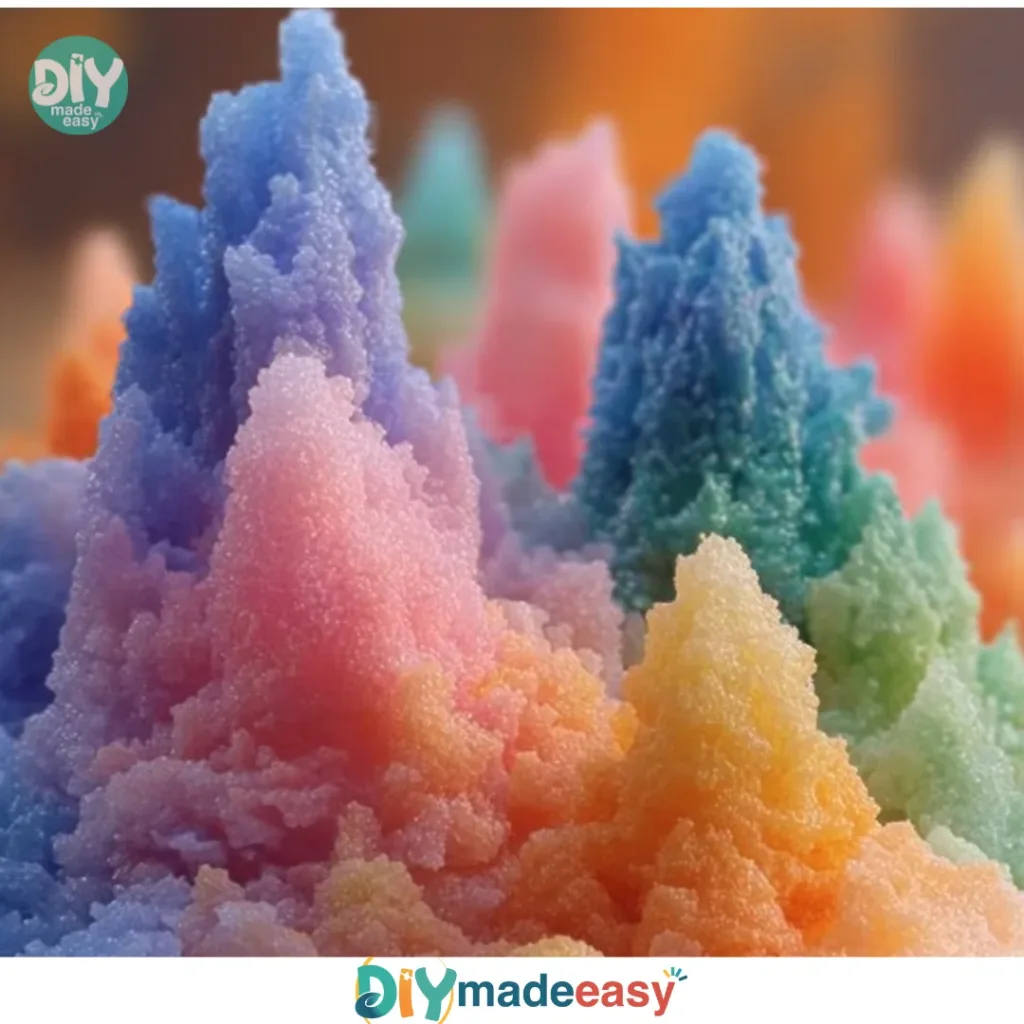
It was a busy afternoon and the kids wanted something colorful and fun right now. I had a small stack of bowls, a few food colors, and a tin tray on the counter. We turned that little kitchen moment into Fireworks Rainbow Sugar Explosion: A Fizzy, Colorful Science Surprise! – Savory Splash, and it saved the day with noise, color, and lots of wide eyes. This activity works well when you need a quick setup, a real result, and something the whole family can enjoy without a big mess. If you like fizz experiments, it builds on ideas similar to our sugar and vinegar fireworks project, and it comes together with things you probably already have on hand: a few spoons, some sugar, food coloring, vinegar, and a dash of baking soda.
Why You’ll Love Making Fireworks Rainbow Sugar Explosion: A Fizzy, Colorful Science Surprise! – Savory Splash

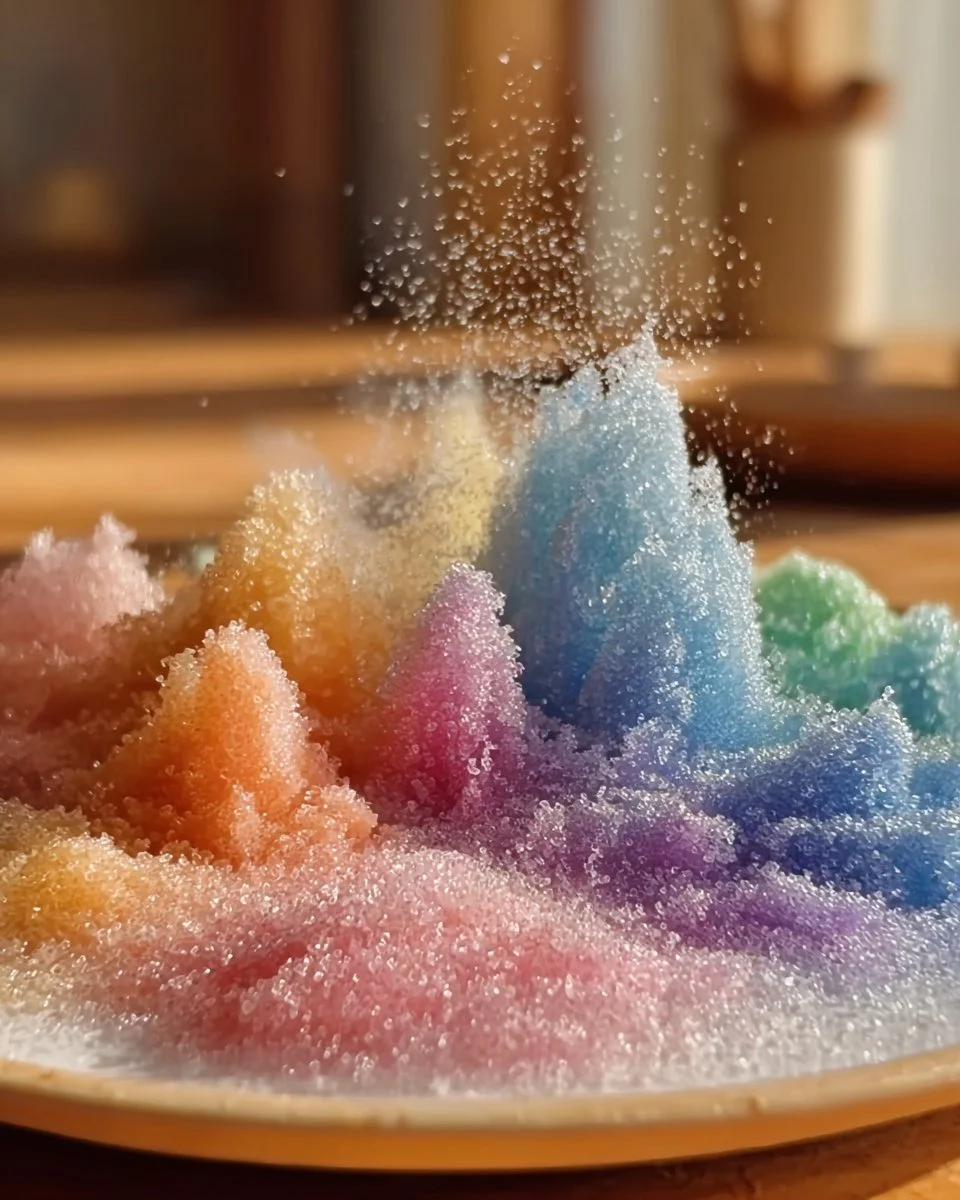
This project fits the real-life rhythm of a busy family day. It takes about 15 to 30 minutes from setup to the last fizzy pop, so it works as a short afternoon activity or a slow, curious science session. You do not need special tools or hard-to-find supplies. Most of the items live in the pantry or the craft drawer.
The prep is low. You mostly mix sugar with food color, arrange it on a tray, and add vinegar to make fizz. That makes this activity great when kids say, I want to make something now. It also gives reliable results. The reaction between acid and base makes fizz every time, so you rarely leave the table disappointed.
This experiment balances control and surprise. You control the colors and the layout. The vinegar and baking soda give an energetic surprise. That mix keeps kids engaged without long waits. It will feel approachable, and it will fit real-life schedules because cleanup is quick and the main mess wipes up easily.
A Quick Look Before You Begin
This activity takes about 15 to 30 minutes, including setup and quick cleanup. You will want a flat tray or a shallow dish to keep things contained. If you have toddlers, plan for closer supervision. Older kids can do most of the steps with a little guidance.
Expect small spills and drips. The sugar mixtures look sticky while you work with them, and vinegar will bubble up where it meets baking soda. The fizz lasts a few seconds per pour, so plan for a few rounds of vinegar for multiple bursts. The mess level is low to moderate. You will get sticky colored sugar and some bubbly puddles on the tray. Wiping with a damp cloth after you finish clears most of it up.
If you want to try a related fizz idea later, check out this baking soda and vinegar fireworks activity for another easy version of the same chemistry using simple materials and big pops: baking soda and vinegar fireworks.
Materials You’ll Need
Granulated sugar
common household item
Food coloring (several colors)
common household item
White vinegar
common household item
Baking soda
common household item
Small bowls or ramekins
easy substitute: muffin tin cups
A tray or a shallow plate to contain the action
budget-friendly: an old baking sheet works well
Spoons or popsicle sticks for mixing
common household item
Dropper or small measuring cup for pouring vinegar
optional: use a teaspoon if you do not have a dropper
Paper towels and a damp cloth for cleanup
common household item
Waterproof surface or newspaper under the tray
optional but helpful
If you want a little extra safety, goggles for curious kids
optional
STEP-BY-STEP DIRECTIONS
- Set up a tray on your table and protect the surface with paper or a towel. Arrange the small bowls so each color sits close to the center. This keeps spills on the tray instead of the table.
- Put about a tablespoon of sugar in each bowl. Add two to three drops of food coloring to each bowl. The sugar will start to clump as you mix. Stir until the sugar looks evenly colored and slightly damp.
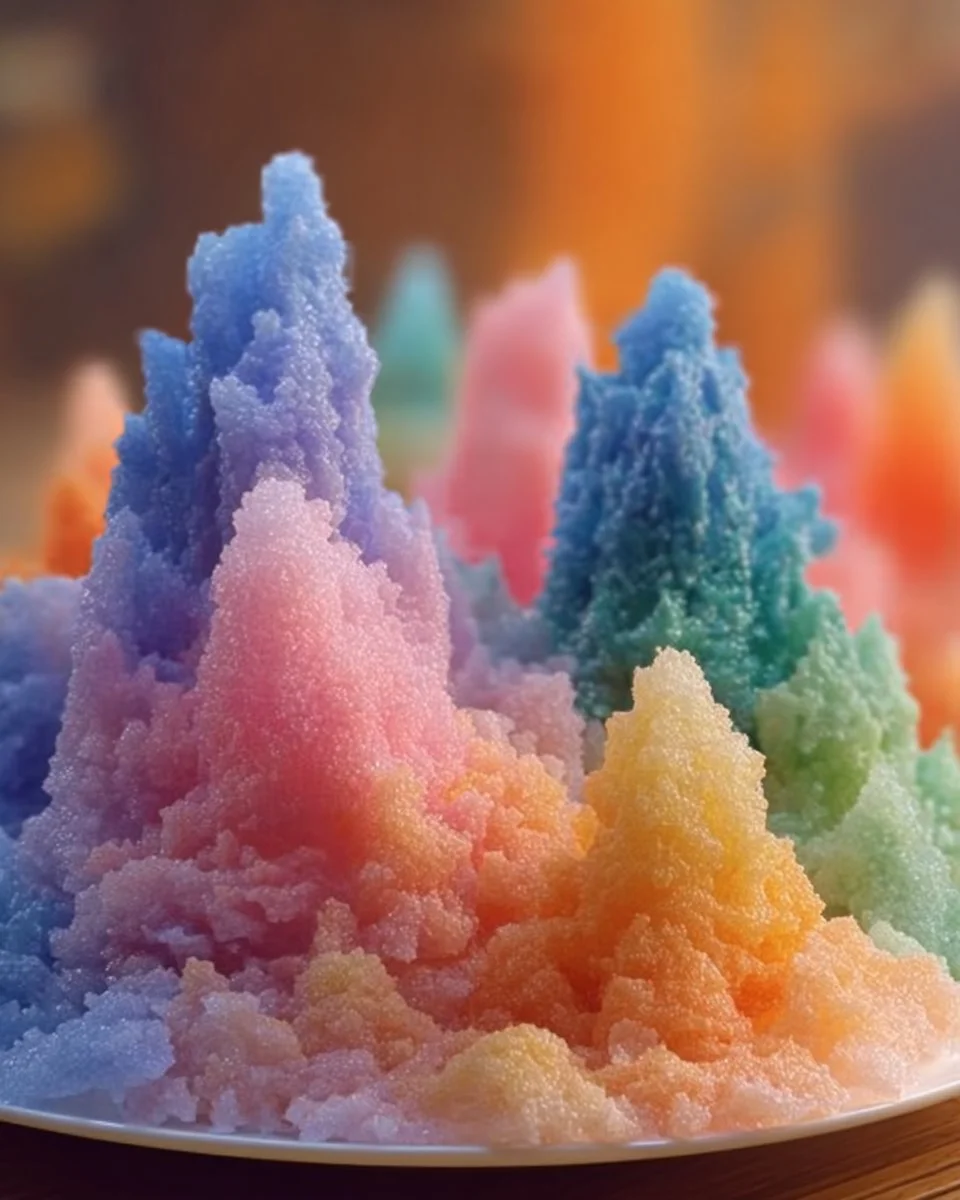
- Spoon each colored sugar pile onto the tray in small mounds. Leave a little space between piles so each color will fizz separately. The piles should look like tiny candy mountains.
- Sprinkle a small pinch of baking soda on top of each colored sugar mound. You want a thin layer. Too much baking soda will make a big foam that runs. A light dusting works best.
- Fill a dropper or small cup with white vinegar. Start with a small amount so you can control the fizz. The first pour shows the reaction and helps you adjust the pace.
- Gently drip vinegar onto the edge of a colored sugar mound. Watch the fizz rise and the color spread. The reaction bubbles up quickly and then settles in a few seconds.
- Repeat with different colors and patterns. Let kids experiment with where they pour the vinegar. They learn cause and effect when one mound pops more than another.
- When you are done, use a damp cloth to wipe the tray. If sugar jumps off the tray, sweep it into the trash or a compost bin. Rinse the bowls and droppers in warm water to remove color stains.
The Learning Behind This DIY

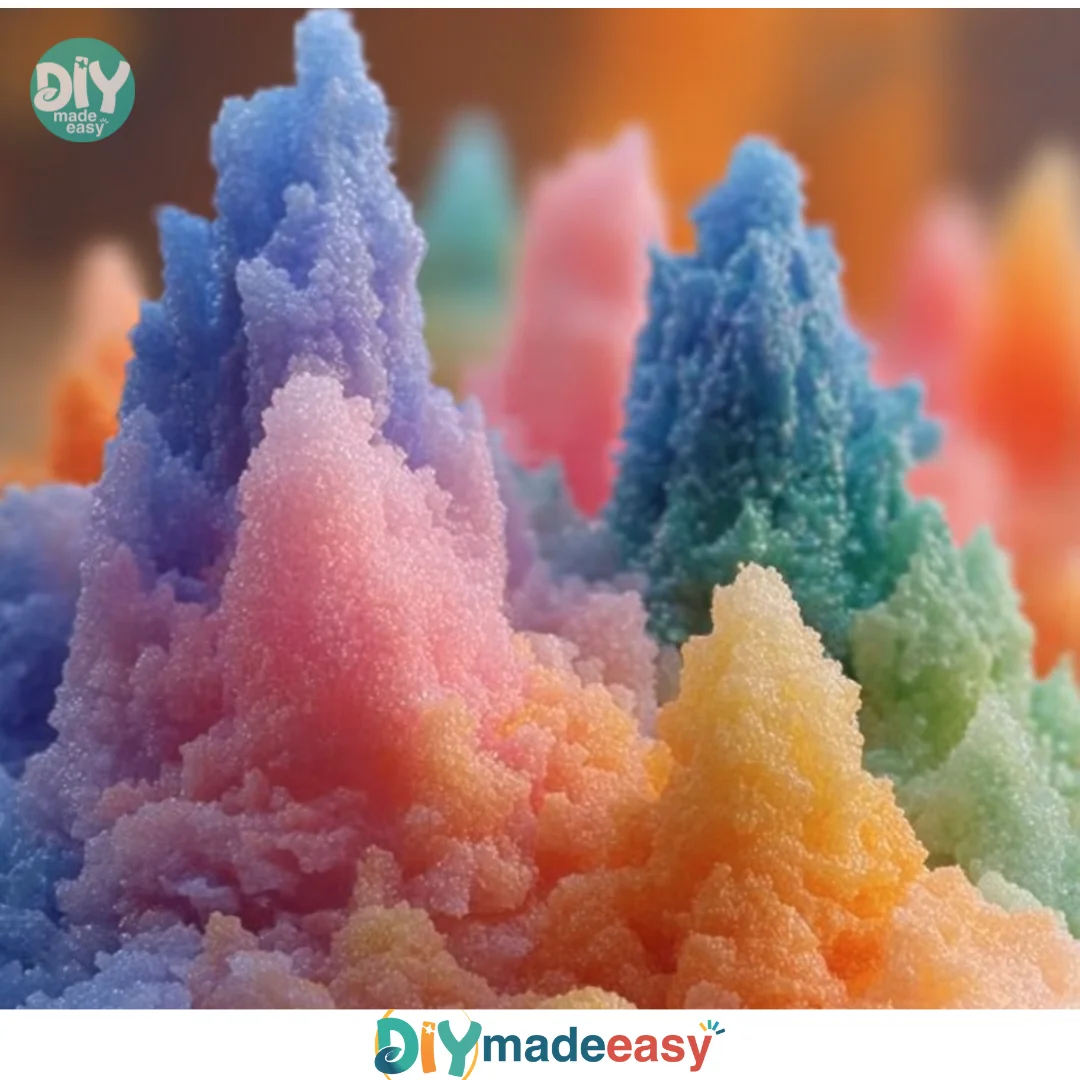
This activity shows simple acid and base chemistry. Vinegar acts as the acid. Baking soda acts as the base. When they meet, they produce carbon dioxide gas. The gas makes bubbles that lift and carry the colored liquid, so you see fizz and color spread.
Kids also practice fine motor skills. Mixing small teaspoons of sugar into separate bowls takes control. Dripping vinegar with a dropper helps hand-eye coordination and steady fingers. Those small moments build confidence.
They learn cause and effect in a clear way. One drop makes a small fizz. A bigger pour makes a bigger reaction. Changing where they place the baking soda shows how layout changes the outcome. It’s a gentle lesson in experimenting and observing.
The activity also supports sensory play. Kids notice textures: dry sugar, slightly damp colored sugar, the fizzy foam, and the smell of vinegar. Those cues help them describe what they see and feel and build vocabulary around science.
Troubleshooting Common Issues
If nothing fizzes much, you probably used too little baking soda or too little vinegar. Add a small extra pinch of baking soda and try a bigger drip of vinegar. The fizz should pick up right away.
If fizz spills over the tray and runs, you likely added too much vinegar too fast. Slow down the pour. Use a dropper or a teaspoon and tap the dropper lightly. Smaller drips give controlled bursts.
If the colored sugar looks soggy and clumpy instead of dry and colored, you added too much food coloring. Scoop the sugar back into a bowl and add a little extra dry sugar to balance it. Stir until the texture looks grainy again.
If the color stains hands or work surfaces, wipe them immediately with a wet cloth and a little soap. Most food coloring washes out easily when you catch it early. Wear small gloves or an apron for young kids if staining is a worry.
Easy Variations to Try
Try a layered look by making narrow lines of colored sugar instead of mounds. Drip vinegar along the line to make a rainbow stripe of fizz. It looks pretty and changes how the colors mix.
Make smaller or larger mounds to change the size of the fizz. Tiny piles give short pops. Larger piles give long, louder fizzing for a dramatic effect.
Use colored vinegar instead of colored sugar. Add food color to the vinegar and pour it over plain sugar with baking soda. This flips the steps and gives a slightly different look to how color spreads.
Try this outside on a warm day to make cleanup even easier. A picnic table or paved driveway holds the overflow and dries quickly.
Add a storytelling element. Call each color a different firework and have kids predict which one will fizz the most. It keeps attention and adds a little imagination to the science.
Storing or Reusing This Project
You can make colored sugar ahead of time and store it in airtight jars for a few days. Keep it dry and label each jar with the color. That way you have ready supplies for a quick repeat activity.
Vinegar and baking soda store as usual in your pantry. Do not mix them until you plan to use them. Keep them in separate containers and out of reach if you have little hands roaming the room.
After the activity, sweep or shake leftover dry sugar into the trash or compost. Colored sugar may not be suitable for foods after sitting in an open tray, so avoid reusing it for eating unless you made a fresh batch.
Rinse droppers, bowls, and trays soon after use. Warm water loosens the sugar and food color easily. A little dish soap and a soft scrub will bring everything back to neutral for next time.
PrintFireworks Rainbow Sugar Explosion: A Fizzy, Colorful Science Surprise!

A fun and engaging science activity for kids that combines colorful sugar with fizzy reactions from vinegar and baking soda.
- Prep Time: 15 minutes
- Cook Time: 15 minutes
- Total Time: 30 minutes
- Yield: 1 fun activity with multiple experiments
- Category: Science Activity
- Method: Hands-On Experiment
- Cuisine: N/A
- Diet: N/A
Ingredients
- Granulated sugar
- Food coloring (several colors)
- White vinegar
- Baking soda
- Small bowls or ramekins
- A tray or shallow plate
- Spoons or popsicle sticks
- Dropper or small measuring cup
- Paper towels and a damp cloth for cleanup
- Waterproof surface or newspaper
- Goggles (optional)
Instructions
- Set up a tray on your table and protect the surface with paper or a towel. Arrange the small bowls so each color sits close to the center.
- Put about a tablespoon of sugar in each bowl. Add two to three drops of food coloring to each bowl and mix until evenly colored.
- Spoon each colored sugar pile onto the tray in small mounds, leaving space between piles.
- Sprinkle a small pinch of baking soda on top of each colored sugar mound.
- Fill a dropper or small cup with white vinegar. Start with a small amount for better control.
- Gently drip vinegar onto the edges of a colored sugar mound and watch the fizz.
- Repeat with different colors and patterns, allowing kids to experiment.
- When finished, use a damp cloth to wipe the tray.
Notes
Supervise young kids closely during the activity, especially when handling vinegar and baking soda.
Nutrition
- Serving Size: 1 tray
- Calories: 100 (for the sugar used in the project)
- Sugar: 18g
- Sodium: 7mg
- Fat: 0g
- Saturated Fat: 0g
- Unsaturated Fat: 0g
- Trans Fat: 0g
- Carbohydrates: 25g
- Fiber: 0g
- Protein: 0g
- Cholesterol: 0mg
FAQs About Fireworks Rainbow Sugar Explosion: A Fizzy, Colorful Science Surprise! – Savory Splash
Will this hurt if vinegar gets on skin or eyes?
If vinegar gets on skin it can sting if it is very sensitive, but it rinses off with water and mild soap. Keep a bowl of clean water and paper towels nearby. If vinegar gets into a child’s eyes, flush with water and seek help if irritation continues. I say this from doing similar kitchen experiments with curious kids many times; quick rinsing usually fixes it.
What age is right for this?
I trust this for preschoolers and up with close supervision. Little ones love the colors, but they also taste things. Watch them and guide the drops. If a child still puts items in their mouth, do not let them handle the vinegar or baking soda directly. Older kids, around first grade and up, can do most steps with light supervision and a clear first demo.
Can I skip baking soda or use something else?
The fizz comes from the meeting of an acid and a base. Without baking soda you will not get the same bubbly reaction. I do not recommend substitutes unless you know their chemistry. If you want less fizz, use smaller amounts of baking soda. If fizz overwhelms, reduce the vinegar pour instead.
How messy is this and how will I clean it up?
Expect sticky colored sugar on the tray and bubbly vinegar puddles. Wipe the tray with a damp cloth and wash bowls in warm soapy water. Most staining from food color comes out if you clean it quickly. If a child spills sugar on the floor, sweep or vacuum before it dissolves, and then wipe with a damp cloth.
Why did one color fizz more than another?
That usually happens because of small differences in how much baking soda you put on each mound or how much vinegar you poured. The texture and dryness of the sugar also change how the baking soda mixes. I have learned to make even pinches and steady drips to keep reactions balanced. It is a helpful chance to show kids how tiny changes make big results.
A Final Helpful Note
Start small and watch one color first. That first pour tells you how lively the reaction will be and helps you adjust the pace. Take a breath and let kids help with measuring and pouring. The best moments come when they predict what will happen and then cheer when the fizz arrives.
Be flexible. Sometimes the colors mix more than you expect. Sometimes the fizz spreads in surprising patterns. Those surprises make the activity fun. Keep cleanup tools ready and celebrate the messy parts. You do not need perfect fireworks to get big smiles.
Conclusion
If you want a close read of the original method and extra photos, the Savory Splash writeup shows the same bright idea in action and helped inspire this family-friendly version: Savory Splash’s Fireworks Rainbow Sugar Explosion activity. For another take with slightly different measurements and visual tips, this MealSparkle page gives an easy companion version to compare and try: Fireworks Rainbow Sugar Explosion: An Easy Fizzy Delight on MealSparkle.